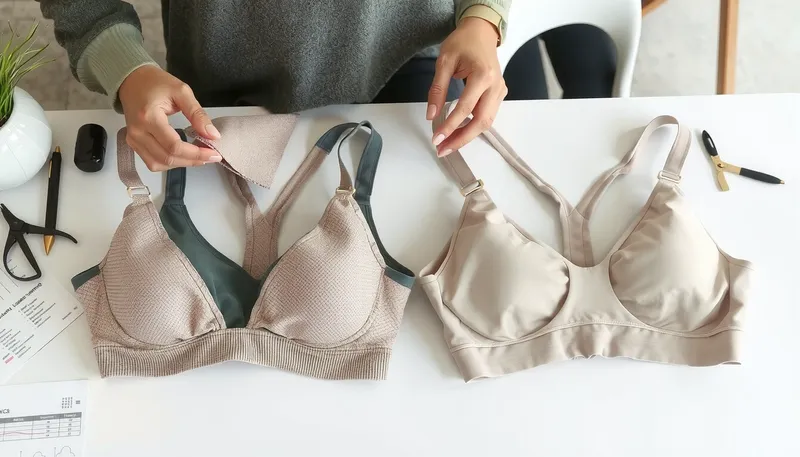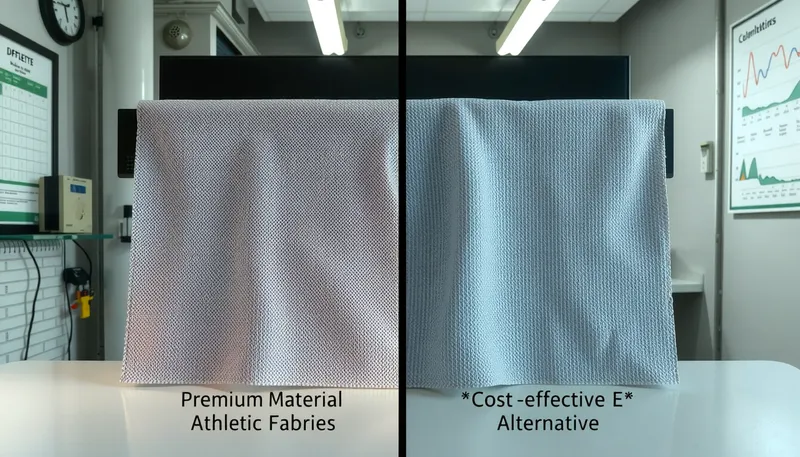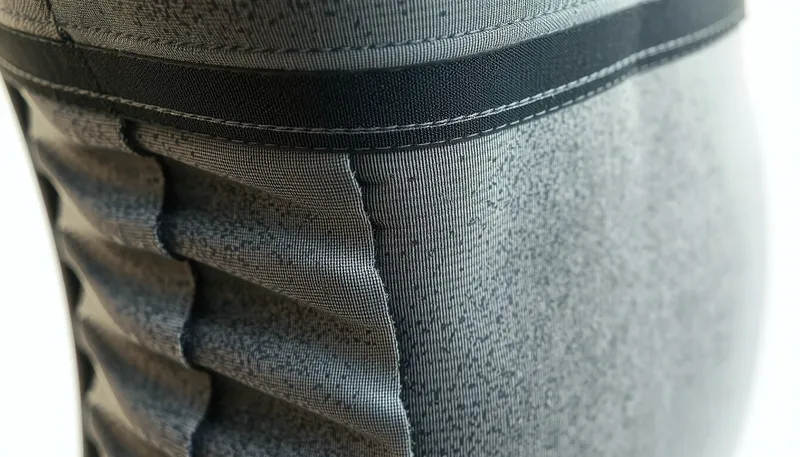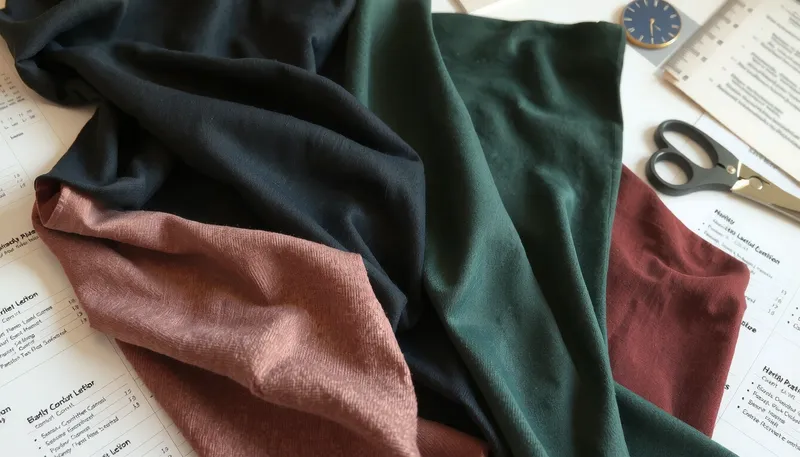
A perfect routine needs more than just skill. It needs a leotard that feels like a second skin. The leotard must be supportive and reliable. It should never be a source of distraction for the athlete. For designers and brands in 2026, choosing the right gymnastics leotard material goes beyond simple stretch and sparkle. The main goal is to find fabric that provides a real competitive edge. When sourcing premium gymnastics leotard fabric, elasticity and opacity are non-negotiable.In this guide, you will discover the three key characteristics of true performance fabric: multi-directional stretch, complete opacity, and rapid recovery.
Key Takeaways
- 4-Way Stretch is a Must: This feature is a prerequisite for complete freedom of movement.
- Complete Opacity Equals Confidence: The best fabrics prevent "grin-through" and see-through spots under bright lights and full stretch.
- Recovery Prevents "Bagging": High-performance material must snap back to its original shape. This maintains a supportive fit throughout a routine.
- Test Before You Buy: Always get a fabric sample to test for stretch, transparency, and recovery.
The Foundation: Why 4-Way Stretch is Required for gymnastics leotard fabric
Every elite gymnastics leotard material must have 4-way stretch. This is the foundational requirement for performance.
This means the fabric can stretch in two directions:
- Cross-grain stretch (horizontal)
- With-grain stretch (vertical)
This dual-direction stretch allows the fabric to move in harmony with the gymnast's body without restriction. A fabric with only 2-way stretch would pull and limit movement during splits, leaps, and backbends, hurting performance and causing discomfort. As experts note, meeting the sport's demands for complex actions is one of the fundamental design requirements for gymnastics leotards.
The Confidence Factor: Getting Zero Transparency
For a gymnast, confidence is everything. A leotard that becomes see-through during a routine can ruin focus and hurt performance. Gymnasts need fabric that offers both 4-way stretch and zero transparency.
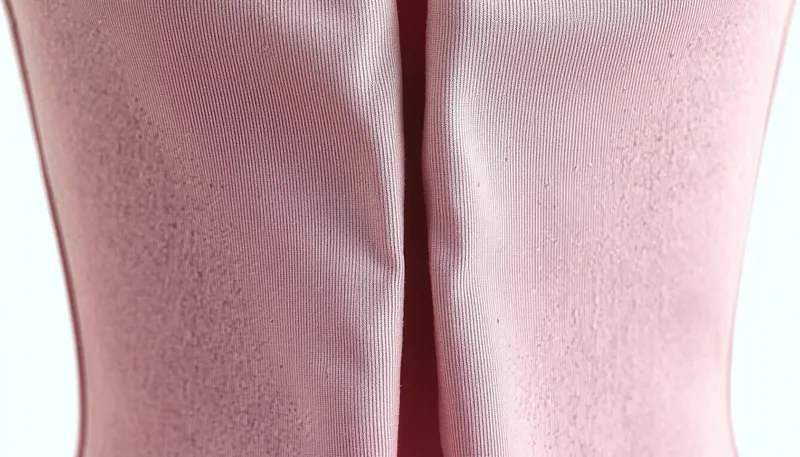
This problem is often called "grin-through." It occurs when fabric is stretched to its limit, revealing the white inner yarns or even skin. Under bright arena lights, a dark blue leotard can suddenly show whitish lines during a split leap. This is a distraction no athlete should face.
True opacity is not just about dark colors; it comes from the fabric's technical design, including its knit density and yarn structure. A denser knit is the first line of defense against transparency, ensuring coverage even at maximum stretch.
The Performance Edge: Fabric Recovery vs. Simple Stretch
Great stretch is only half the story. The other half is recovery—the fabric's ability to snap back to its original shape.
Fabrics with poor recovery will "bag out." They stretch during a routine but fail to retract, leading to a loose, sloppy fit by the final rotation. This looks unprofessional and feels distracting for the athlete.
Better recovery comes from two key components: high spandex content and a smart knit structure. A spandex percentage over 25% provides the power to snap back, while double-knit constructions add mechanical stability.
An air-layer construction is a perfect example. It is a double-knit fabric with a connecting yarn, creating a thicker, cushioned, yet lightweight material. This structure naturally resists over-stretching. For designers sourcing next-generation materials, fabrics like Air-Sculpt 34™ | Anti-Yellowing Nylon Spandex Air-Layer Fabric exemplify this. It uses an air-layer structure with an exceptional 34% spandex content, ensuring zero transparency and unmatched recovery while providing a buttery-soft, second-skin feel.
A Practical Comparison of Gymnastics Leotard Materials
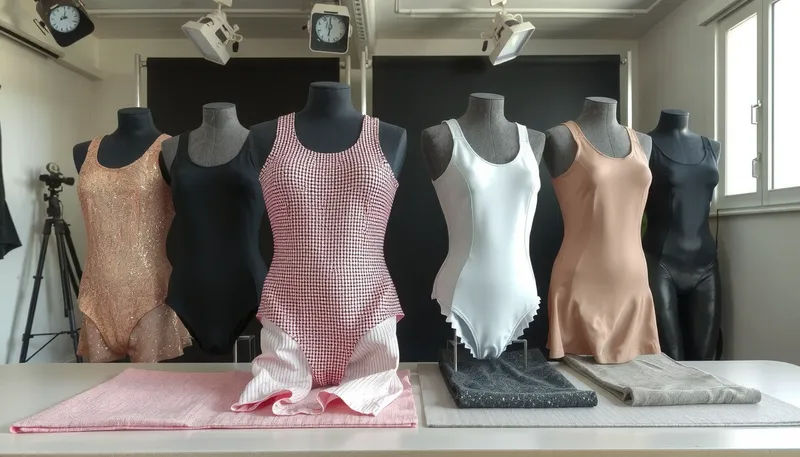
Choosing the right base fabric is the first step. Here is a simple comparison of common options.
| Fabric Type | Key Characteristics | Best For | Considerations |
|---|---|---|---|
| Nylon/Spandex | Excellent durability, good recovery, smooth feel. | Competition & Training | Can vary widely in quality; check for opacity. |
| Polyester/Spandex | Excellent for sublimation printing, vibrant colors. | Custom-printed team leotards. | Can be less breathable than nylon blends. |
| Mystique/Foiled | High shine, dramatic stage presence. | Performance/Competition | Foil can wear off with friction/washing. |
| Velvet | Soft texture, classic look, good stretch. | Training, younger gymnasts. | Can be warmer; quality varies. |
A Note on Sourcing High-Stretch Canvas for Competitive Gymnastics
When sourcing your fabric, look closely at the technical sheet.
Pay attention to these key specs:
- Fiber Content: Note the exact percentage of Nylon vs. Spandex. Higher spandex often means better recovery.
- Fabric Weight (GSM): GSM stands for Grams per Square Meter. A higher GSM, such as 250-320, usually means a more opaque and durable fabric.
Never order in bulk without testing a sample first. Do a stretch test under a bright light to check for grin-through. Feel the fabric's "snap" to judge its recovery. While exploring the vast range of gymnastics leotards fabrics on large marketplaces gives you ideas, requesting physical samples for testing is vital for any professional brand.
Frequently Asked Questions (FAQ)
What is the best material for a practice leotard vs. a competition leotard?
For practice, durability and comfort are key, so a high-quality Nylon/Spandex or even a stretch velvet works well. For competition, all factors—stretch, opacity, and recovery—are critical, making high-performance technical fabrics the better choice.
How do I care for high-spandex gymnastics leotard material?
Wash in cold water on a gentle cycle, inside-out, and hang to dry. Avoid fabric softeners and high heat, as they can damage the spandex fibers and hurt any foiled or embellished finishes.
Is 100% cotton a good material for a gymnastics leotard?
No. Cotton absorbs sweat and becomes heavy. It lacks the necessary 4-way stretch and recovery needed for gymnastics. It will not hold its shape and can restrict movement.
What does GSM mean for gymnastics fabric?
GSM stands for Grams per Square Meter. It measures the fabric's weight or density. For leotards, a higher GSM (e.g., 250+) often means a more substantial, opaque fabric. A very low GSM might be too thin and sheer.
Why does my leotard become see-through when I stretch?
This is called "grin-through." It happens when the fabric's knit is not dense enough or the material has poor recovery. As the fabric stretches, the yarns pull apart, revealing skin or the lighter-colored inner fibers. Choosing densely knit, high-recovery fabrics is the solution.
What is the best gymnastics leotard fabric for digital printing?
Our Air-Sculpt 34™ is the best choice. Its Acid Digital Direct Printing penetrates deep into the 20D nylon core, eliminating “grin-through” under stretch. With 34% spandex, zero whitening, and a buttery matte finish, it delivers vivid, squat-proof prints perfect for high-performance gymnastics leotards.
Written by Forall Lab
© Forall Lab • Powered by Kunpeng ONE