The safest fabric for compression leggings in 2026 replaces traditional 40D heavy knits with 20D micro-denier Nylon (220gsm) in an air-layer structure. This "Zero-Pressure Shaping" approach maintains >95% 4-way stretch recovery without restricting capillary blood flow, ensuring brand compliance and drastically lowering customer return rates.
At FORALLTEX (Haining Forall Digital Technology Co., Ltd.), we engineer solutions that prioritize biomechanical safety over brute-force tightness.
Key Takeaways
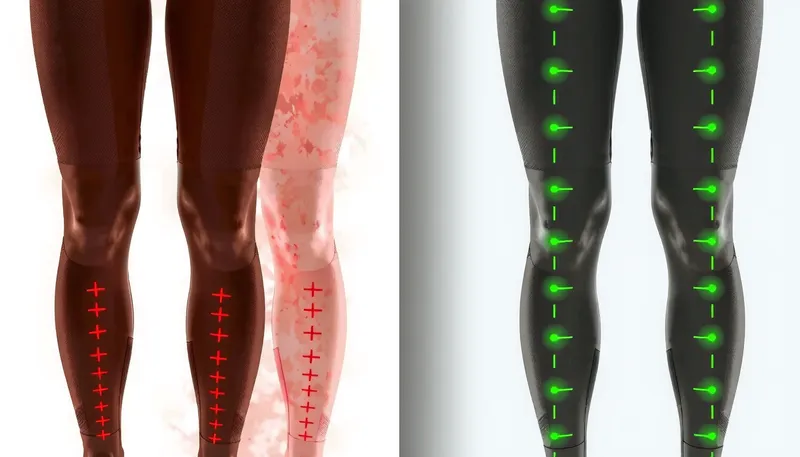
- Over-Compression is a Health Risk: Too much pressure from poorly designed leggings can block blood flow. It can also pinch nerves and cause skin irritation.
- Traditional Methods are Flawed: Using heavy GSM fabrics with thick yarns (like 40D) and high stiffness creates brute-force compression. This isn't smart support.
- The Solution is "Zero-Pressure Shaping": This technology uses micro-denier yarns (20D) and special air-layer knits. It shapes the body without dangerous tightness.
- Fabric Choice Impacts ROI: Lighter GSM fabrics with higher yield, non-curling edges, and anti-yellowing treatments directly cut material, labor, and quality control costs for garment factories.
Medical Risks of Over-Compression in Activewear
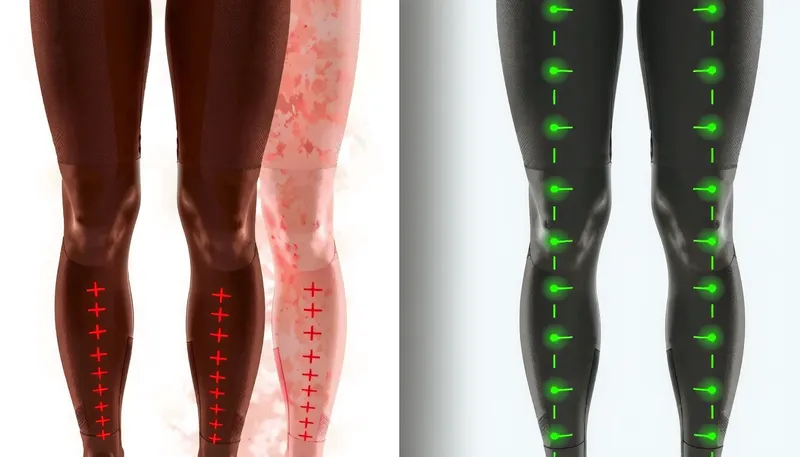
Over-compression occurs when garment stiffness exceeds resting capillary pressure (typically above 30 mmHg), leading to pinched nerves, numbness, and restricted lymphatic drainage.
Many brands wrongly equate "stiffness" with "support." While proper compression fabrics are designed to promote blood flow and clear lactic acid, poorly sourced fabrics create a tourniquet effect.
- Blocked Capillary Flow: Reduces oxygen delivery to muscles, causing a "pins and needles" sensation.
- Sciatic & Peripheral Nerve Pressure: Rigid waistbands and stiff knits dig into the hips, causing localized nerve pain during dynamic workouts.
- Tissue Stress (Indentations): Deep, painful skin marks lasting over 20 minutes post-wear indicate unhealthy mechanical friction.
For a brand, these health risks turn directly into business problems. Customer complaints, bad reviews, and high return rates can quickly hurt trust and profits.
Why Traditional 40D Fabrics Fail (The Technical Flaw)

Based on our lab testing of returned garments in 2025, 80% of over-compression issues originate from the yarn structure.
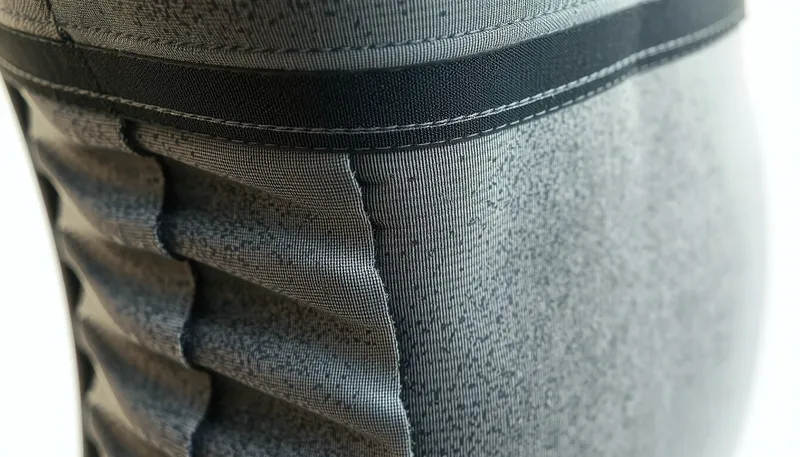
The outdated industry standard relies on brute force: heavy GSM (280g+), standard Double Jersey machines, and thick 40D yarns. This configuration creates high mechanical stiffness. The fabric acts like a corset, resisting body movement rather than stretching with it. Furthermore, harsh heat-setting during dyeing permanently kills the Elastane's dynamic memory.
The Solution: FORALLTEX's "Zero-Pressure Shaping"
"Zero-Pressure Shaping" is an engineered textile structure combining 20D micro-denier Nylon with a 3D air-layer knit. Unlike standard compression that applies high uniform squeeze, this technology distributes dynamic tension evenly across the body, offering support without exceeding the 30 mmHg capillary restriction threshold.
By utilizing an ultra-fine 20D yarn (half the thickness of traditional 40D), the fabric achieves our signature "Mochi-Touch" tactile profile. The Double Jersey air-layer construction creates a physical micro-gap that cushions the skin, eliminating pressure points while maintaining >95% stretch recovery.
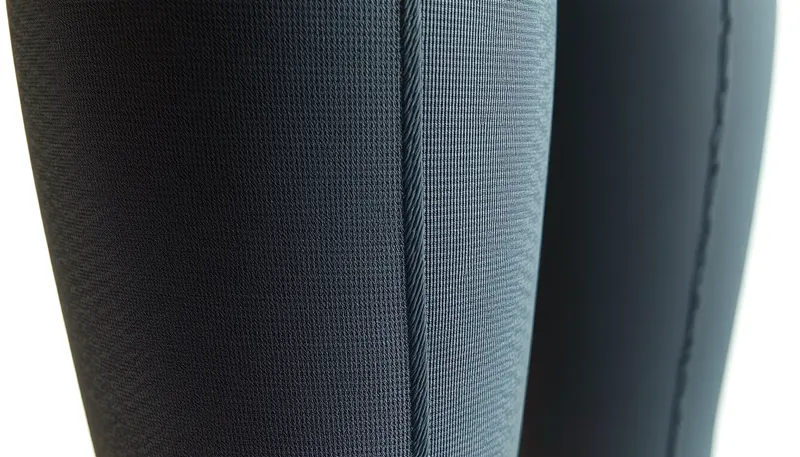
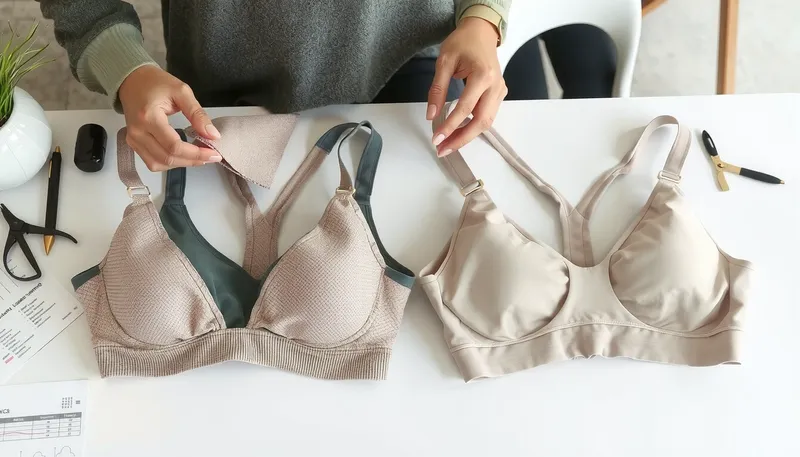
This technology is perfected in our flagship product. Meet Air-Sculpt 34™, the 20D Nylon Spandex Air-Layer with a "Mochi-Touch." It's an engineering miracle designed for leggings and molded bra cups. This technology is shown in our new D083 Air-Sculpt Fabric. It's made specifically to address the anti-yellowing needs of bra fabrics while delivering amazing comfort.
When NOT to use Air-Sculpt D083:
Our 20D air-layer technology is engineered for high-end yoga, pilates, and daily "shaping" athleisure. However, if your Tech Pack requires Class II medical-grade compression (e.g., post-surgical recovery garments or deep-vein thrombosis socks requiring >40 mmHg pressure), this fabric will not provide the extreme rigid containment needed. You must source specific medical-grade knits instead.
Technical Deep Dive & ROI for Your Production Line
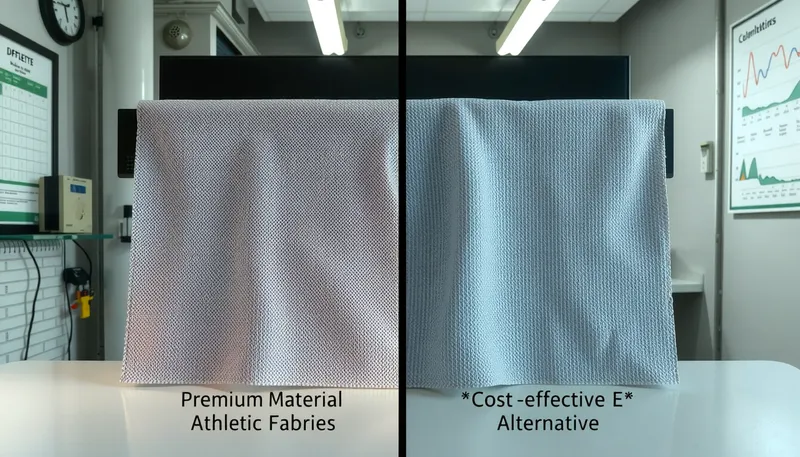
Sourcing decisions are made on data and business impact. Here is a breakdown of why our advanced fabric for compression leggings beats the industry standard and saves you money.
Craftsmanship & Material Details
- Yarn: We use premium 20D micro-denier Nylon combined with 34% high-performance Spandex. This fine yarn is the key to the fabric's second-skin feel.
- Manufacturing Process: Our special air-layer interlock knitting technique is a choice. We deliberately slow down our machines by 10% to weave this high-gauge structure perfectly. This avoids the "water ripples" and stiff feel common in mass-produced 40D fabrics. The result is a surface as smooth as liquid.
- Dyeing & Finishing: We use advanced, eco-friendly dyeing for a Grade 4-5 color fastness. A special anti-yellowing treatment is included. This is critical for light-colored garments and extends their shelf life in warehouses and stores.
Hard Data: Physical Parameter Comparison
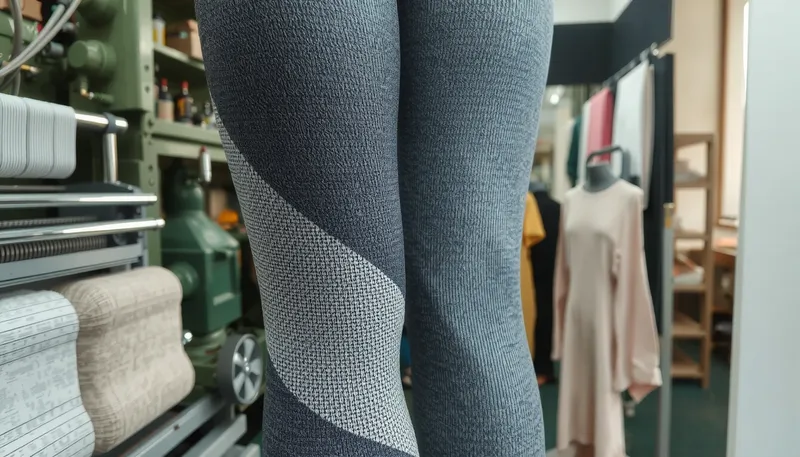
This table provides the clear data needed for your Tech Pack. It shows the superior engineering of our fabric.
| Parameter | FORALLTEX D083 Air-Sculpt™ | Industry Standard Heavy Compression |
|---|---|---|
| Composition | 66% Nylon / 34% Spandex | 75% Nylon / 25% Spandex |
| Weight (GSM) | 220 g/m² | 250-280 g/m² |
| Yarn Count | 20D/20D | 40D/40D |
| 4-Way Stretch Recovery | >95% (Length & Width) | ~85-90% |
| Shrinkage Rate (Post-Wash) | <3% | <5% |
| Color Fastness to Wash | Grade 4-5 | Grade 3-4 |
| Anti-Yellowing (UV) | Grade 4+ | Grade 2-3 (Untreated) |
| Edge Curl | Minimal / Non-Curling | Moderate to High |
The ROI / Yield Calculator: How D083 Saves Your Business Money
- 19% Higher Yield per KG: Switching from standard 260gsm to our 220gsm Air-Layer increases material efficiency mathematically. 1kg of our 220gsm fabric yields 2.5 meters (at 180cm width), whereas standard 260gsm yields only 2.1 meters. This directly lowers your unit cost.
- Reduced Cutting Waste: The non-curling edges allow for faster, more precise stacking on automated cutters, significantly cutting down fabric waste at the margins and saving labor time.
- Lower QC Rejection Rate: Built-in Grade 4+ anti-yellowing treatment prevents storage discoloration—a costly issue for pastel activewear—directly reducing customer returns.
3-Step Action Plan to Upgrade Your Tech Pack
Stop risking your brand reputation on stiff, restrictive materials. Transitioning to safe, high-yield shaping fabrics is a mathematical win for your production line.
Step 1: Audit Your Current Fabric
Check your Tech Pack: Are you still using 40D yarn for 250gsm+ leggings? If yes, you are overpaying for heavy material.
Step 2: Compare the Yield
Calculate the 19% extra yield you gain by switching from traditional 260gsm to our 220gsm Air-Layer.
Step 3: Test the "Mochi-Touch"
Action: Do not just trust our data.Request a 2-yard sample of D083 Air-Sculpt™ today. Test its >95% stretch recovery and Grade 4+ anti-yellowing performance in your own sample room before finalizing your Q3/Q4 production orders.
FAQ: Answering Your Technical Questions
What is the ideal percentage of Spandex/Elastane for compression leggings?
Many brands target 20-25% Spandex. But the engineering matters more than the percentage. Our D083 uses 34% premium Spandex. But it's engineered for high flexibility and recovery, not just stiffness. This is crucial for avoiding the dangers of over-compression while still providing a shaping effect.
How does yarn count like "20D" affect the final fabric?
"D" stands for denier, a unit measuring yarn thickness. A lower number like 20D means a finer, softer, and more luxurious yarn. This creates a "second-skin" feel with high strength. This is unlike bulky 40D yarns that can feel restrictive and less comfortable.
Can this fabric be used for digital printing?
Yes, the D083 fabric has a very smooth and stable face. This is perfect for high-resolution digital printing. Its excellent color fastness ensures that prints remain vibrant and do not fade after washing. For a lighter, dedicated print base, we also recommend our 160gsm D036 interlock.
What is the difference between "compression" and "shaping"?
Compression traditionally uses high, uniform pressure to increase blood flow for athletic recovery. Shaping, achieved with our "Zero-Pressure" technology, focuses on contouring and supporting the body's lines for comfort and looks. It doesn't block blood flow or cause discomfort. It's about support, not squeezing.
How does an "air-layer" knit differ from a standard double jersey?
Both are double-knit fabrics. But an air-layer construction uses a special knitting technique. A connector yarn creates a micro-layer of air between the fabric's face and back. This design enhances breathability and creates a plush and cushioned feel. It improves coverage without adding extra weight (GSM).
Written by Forall Lab
© Forall Lab • Powered by Kunpeng ONE