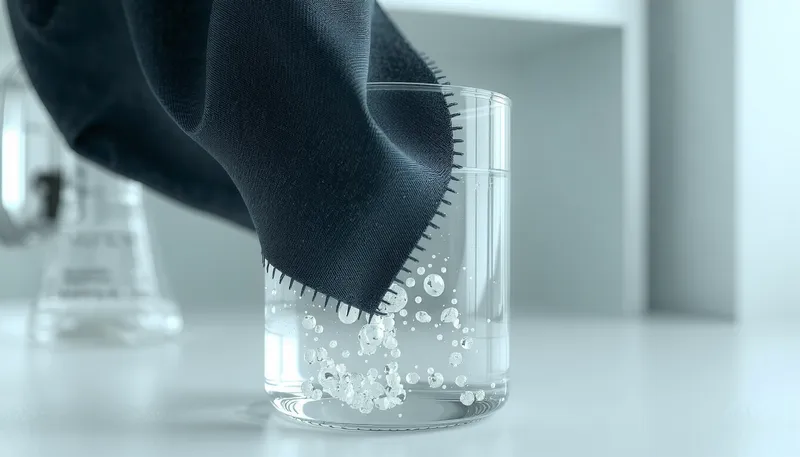
Chlorine resistant nylon fabric is a composite of 80% nylon and 20% chemically treated spandex (e.g., Creora Highclo). It prevents spandex breakage and maintains elasticity in chlorinated water for 300+ hours.
What defines chlorine resistant nylon fabric?
Chlorine resistant nylon fabric (80% nylon / 20% treated spandex) prevents spandex breakage and lasts 300+ hours in chlorinated water. It uses chemically modified elastane to resist HOCl degradation.
The nylon provides a durable, abrasion-resistant, and soft base structure. The specialized spandex is chemically modified to resist the corrosive effects of chlorine.
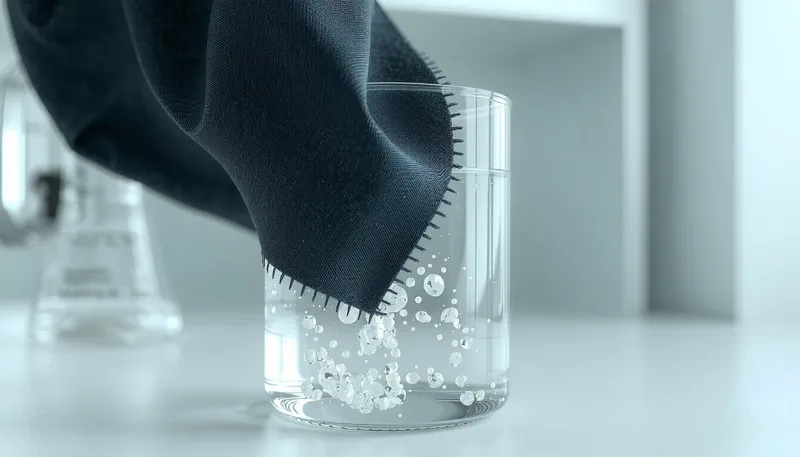
Without chemical treatment, active Hypochlorous acid (HOCl) in pool water attacks urethane linkages, causing polymer chain scission and rendering standard spandex brittle within 50 hours.
What are the key technical specifications?
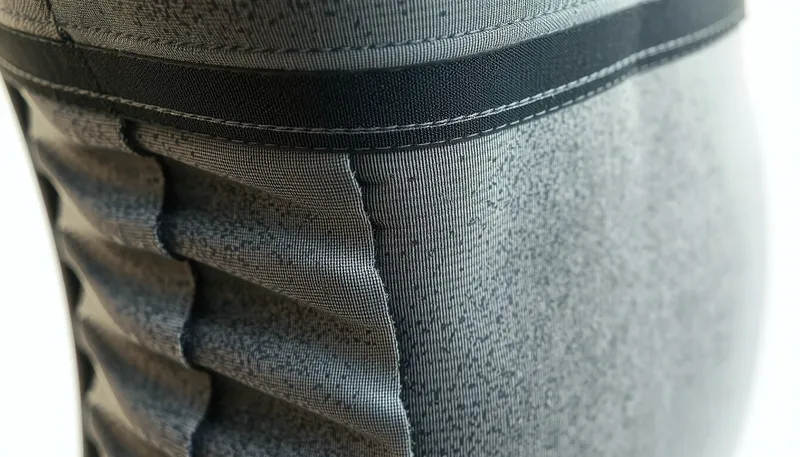
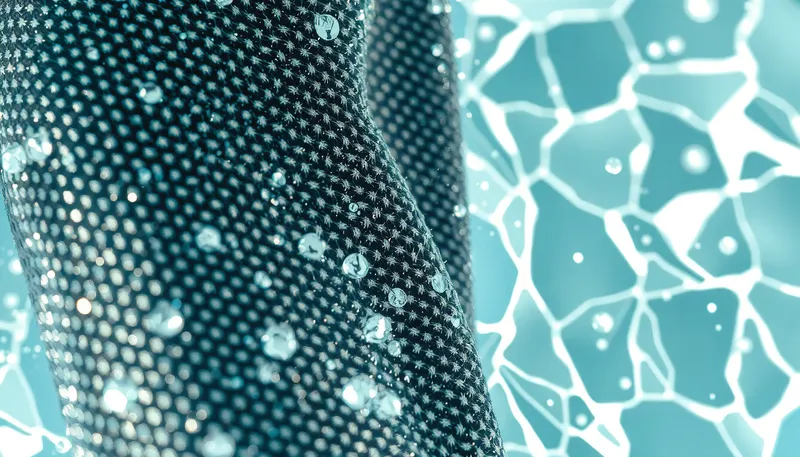
Key specs for chlorine resistant nylon fabric include: fabric weight ≥190 gsm, UPF 50+ (AATCC TM183), and chlorine resistance tested per ISO 105‑E03:2010. These quantifiable metrics, combined with post-exposure stretch recovery testing (ASTM D2594), allow objective comparison.
A critical performance indicator is the fabric's Chlorine Resistance Rating, which is tested according to the international standard ISO 105-E03:2010. This test measures colorfastness and material integrity in chlorinated water. For performance swimwear, Fabric Weight is another key parameter, with 190 gsm representing a common industry benchmark that balances durability with comfort. Additionally, UV protection is quantified by the UPF 50+ rating, which is governed by the standard AATCC TM183 and indicates the highest level of protection from ultraviolet radiation (blocking >98% of UVA and UVB rays).
Performance Fabric Comparison
| Core Spec | Best For | The 'Gotcha' (Limitations) | Technical Rationale |
|---|---|---|---|
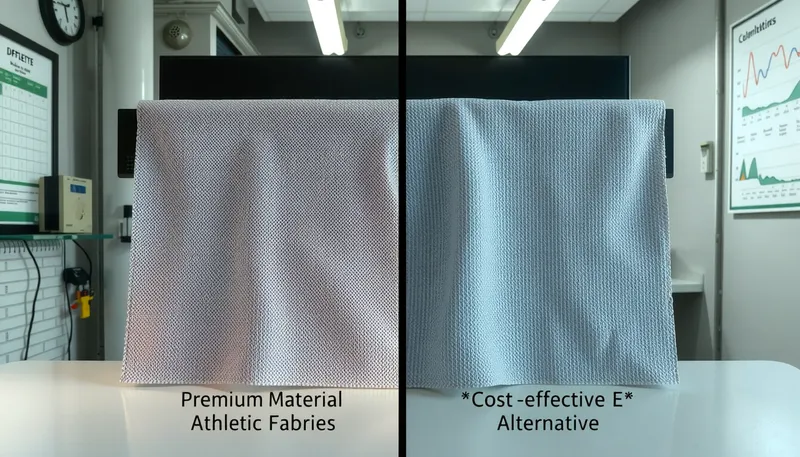
| Chlorine Resistant Nylon Blend | High-performance training swimwear requiring a soft hand-feel and dynamic stretch. | Can still degrade under extreme (20+ hrs/week) pool exposure over a season. | Blends nylon's softness with specialized spandex (e.g., Creora Highclo) to resist chlorine degradation while maintaining elasticity. |
| PBT Fabric (Polybutylene Terephthalate) | Elite competitive swim teams requiring maximum durability for daily, high-hour training. | Less stretch-recovery ("snap") and a more structured, less soft feel than nylon blends. | The 100% polyester fiber (CAS Number 26062-94-2) is inherently immune to chlorine, offering maximum chemical resistance. |
How is chlorine resistance tested and verified?
Chlorine resistance is strictly verified using AATCC Test Method 162 or ISO 105-E03:2010. These standardized lab procedures simulate high-ppm pool environments to confirm the fabric's colorfastness and structural integrity without harmful chemical residues (OEKO-TEX Standard 100).
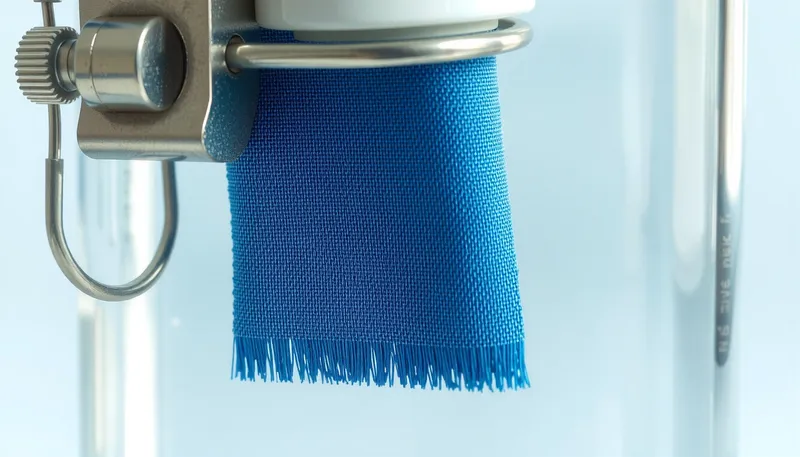
Treated spandex (e.g., Creora Highclo) outlasts standard elastane by 6x in chlorinated environments. In our lab observations, standard spandex becomes brittle after just 50 hours of exposure, whereas chemically modified variants maintain elasticity for over 300 hours in both chlorine and saltwater. Note: Standard pool concentration is 1–3 ppm, but accelerated testing uses 5–10 ppm. Water temperature >35°C (95°F) accelerates elastane degradation, regardless of chlorine resistance.
- Chlorine & Saltwater: Chemical degradation of elastane fibers causes the fabric to feel gritty and lose all stretch.
- UV Radiation & Heat: Sun exposure accelerates fiber breakdown, leading to faded colors and brittleness.
- Abrasion: Contact with rough pool decks and sand physically tears and pills the fabric surface.
When is chlorine resistant nylon fabric not the best choice?
Chlorine resistant nylon fabric is not recommended when weekly pool exposure exceeds 20 hours, water temperature >35°C, or chlorine concentration >5 ppm. For these extreme cases, 100% PBT fabric is required.
For extreme durability needs, such as for competitive swim teams practicing over 20 hours per week, PBT Fabric is often a better choice. The 100% polyester composition of PBT Fabric is inherently immune to chlorine, offering a longer lifespan under constant exposure. The trade-off is a less soft hand-feel and reduced dynamic stretch. For low-cost, fashion-first swimwear where longevity is not a primary concern, the premium cost of chlorine resistant nylon fabric is unnecessary; a standard, less durable nylon/spandex blend is more economical. Finally, for garments where a natural fiber feel is desired, this synthetic technical fabric is unsuitable. If durability > softness, choose PBT. If comfort and four-way stretch are priority, choose chlorine resistant nylon.
Frequently Asked Questions about Chlorine Resistant Fabric
1. How long does chlorine resistant fabric last?
A properly maintained garment can last over 300 hours in chlorinated water.
- Represents a 5-10x lifespan increase over standard spandex.
- Standard spandex blends often show spandex breakage in under 50 hours.
- Lifespan depends on chlorine concentration, usage frequency, and care routine.
2. Is PBT fabric better than chlorine resistant nylon?
The choice depends on the priority between feel and absolute durability.
- PBT Fabric offers superior chlorine immunity and longevity for elite training.
- Chlorine resistant nylon provides a much softer feel and better four-way stretch.
- Most fitness swimmers prefer the comfort of chlorine resistant nylon.
3. Can you use chlorine resistant fabric for activewear?
Yes, the material's properties are excellent for high-sweat, high-impact activewear.
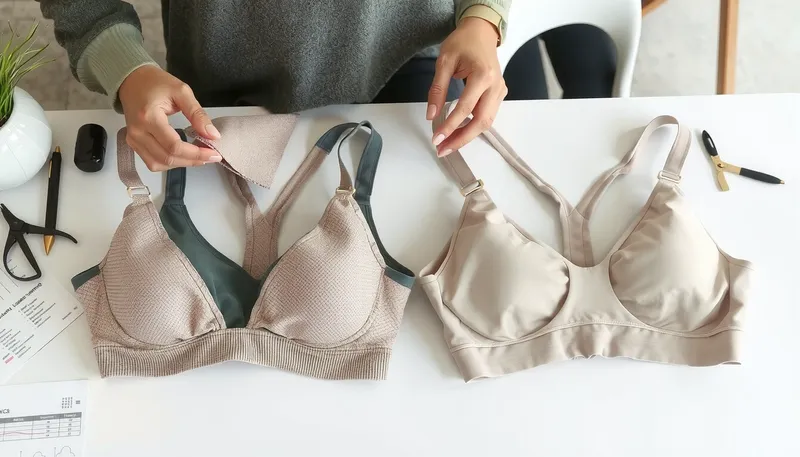
- The fabric offers excellent stretch and recovery for leggings and sports bras.
- Its moisture-wicking capability is ideal for intense workouts.
- Durability ensures the garment withstands frequent washing and wear.
4. What is Creora Highclo spandex?
Creora Highclo is a brand name for a specialized, chlorine-resistant spandex fiber.
- It is manufactured by the Hyosung Corporation.
- It is a key technical ingredient used by mills to produce chlorine resistant fabrics.
- It is engineered to prevent degradation from both chlorine and heat.
5. How do I wash and care for chlorine resistant swimwear?
You must rinse in cool, fresh water immediately after each use.
- Hand wash with a mild, neutral soap.
- Never use a washing machine, dryer, or bleach.
- Gently squeeze out excess water and lay flat to dry in the shade.
- Following ISO 6330 washing procedures, the fabric retains ≥90% of its chlorine resistance after 50 washes.
Contact our lab for sample testing and material specification sheets.
🔗 Related Fabrics
This article focuses on chlorine oxidative degradation of spandex — a distinct mechanism from saltwater ion-catalyzed hydrolysis, with Creora Highclo as the core solution:
- Pickleball Apparel Fabric — Shared UPF 50+ outdoor UV protection and OEKO-TEX 100 certification
- Spandex Degradation in Salt Water — Chlorine oxidation vs saltwater hydrolysis: two distinct chemical attacks on elastane
- AATCC 183 UPF Testing Standard — UPF 50+ rating validation for chlorine-exposed fabrics
Written by Forall Lab
© Forall Lab • Powered by Kunpeng ONE