You get a fabric specification sheet from a supplier. The term "SGS Tested" appears on it. Is that really an advantage for your activewear? A paper will appear to be a product that is durable and performs well due to the factors analyzed. How does it aid in your company in terms of forming?
A simple certificate will not suffice in 2026. You need to know, the data needs to be made sense of. The explanation will be easy and clear. We will concentrate on two significant tests that activewear should undergo. These are anti-pilling and anti-yellowing tests. This accumulated knowledge is what helps you build customer trust.
Key Takeaways
- Know the grade: An SGS report is more than pass and fail. You have to learn to read the range of 1-5 grading system. This is a smart way to make good buying decisions.
- Aim for a Grade 4+: In the case of premium activewear, it is advisable to aim for grades of 4 or 5. This will enable the clothes to remain new for a longer time period. Besides, it is an additional way to help them keep their color.
- Check Key Numbers: Pilling is one of the things that affect the garment look and how long it lasts. Yellowing can hurt light-colored selling fabrics already before you even have them out there.
- Testing Builds Trust: Employing sgs testing fabric data is more than a technical procedure. It is a business approach that displays that you care about quality and it is a trust-creating factor.
What is SGS Testing and Why It Is the Foundation of Fabric Trust
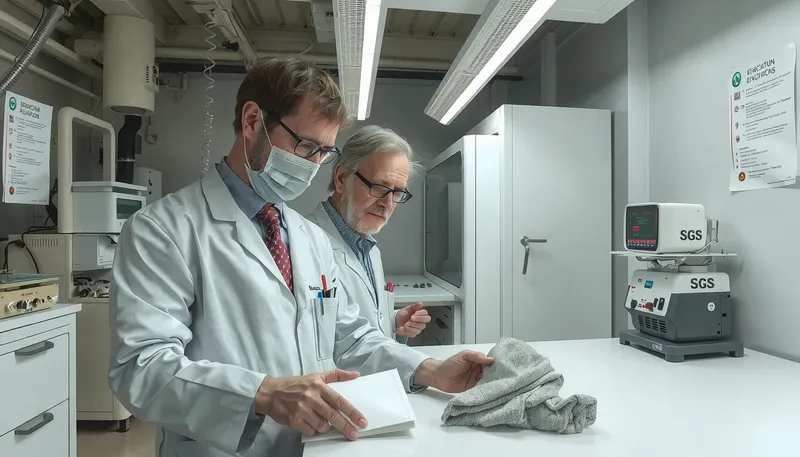
SGS is an international company that is very well-known for the testing and checking of different products. They are like a well-abiding impartial judge determining the product's quality.
When SGS tests a fabric, it is checked by a neutral party who is looking at the fabric's performance. This is not just signing a form. Impartial testing of SGS helps to manage risk. It is proof of quality before ordering thousands of yards of fabric.
People nowadays prefer to see proofs. SGS testing is you with the independent, third-party verification which infuses your customers with the confidence. It also sends a direct message about your commitment to safety and quality. This is even more relevant in the case of activewear, which is worn directly on the skin. Knowing how to interpret SGS reports on activewear fabrics is an important skill for any brand.
The SGS Report: An Anti-Pilling Performance Review
With Pilling, many activewear brands face a big problem that comes with small fuzzy balls forming on the surfaces of fabrics. It makes a new piece of clothing look old and worn out fast. This leads to the delivery of unhappy customers and the loss of a lot of money in returns.
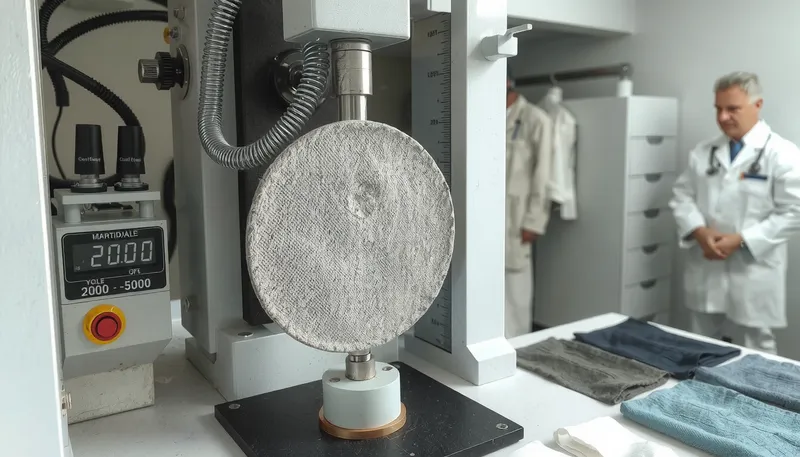
The most common test for this case is the Martindale Abrasion and Pilling Test. In this test, they use a sample of the fabric that you have and rub it against a standard, rough material. This occurs for some predetermined number of cycles. Usually, they simulate 2000 or 5000 cycles. This procedure imitates the wear and tear from movement, washing, and daily use. The resulting fabric then, because of the wear, gets a grade.
The most important part is that you have to read the correct grade on sgs testing fabric reports. The result is given in the range of 1 to 5.
| Grade | Description | Real-World Meaning for Activewear |
|---|---|---|
| 5 | No change | Excellent condition. The fabric will stay looking new for a long time. It is ideal for premium products. |
| 4 | Slight surface fuzzing | Very Good. Minimal signs of wear. It is a great benchmark for high-quality activewear. |
| 3 | Moderate pilling | Fair. You can see pilling after some wear and washing. It may work for lower prices but risks returns. |
| 2 | Clear pilling | Poor. The garment will quickly look worn. Bad for performance clothes. |
| 1 | Severe pilling | Very Poor. Not good for commercial activewear. |
We, as specialists in the industry, recommend that only those brands that focus on quality should allow fabrics with a pilling grade of 4 or more. A grade 3 may be perceived "okay". However, for the clients who are paying for performance clothes, it will not meet their expectations.
Decoding Anti-Yellowing SGS Reports for Nylon Activewear
Fabric yellowing, especially in light-colored nylons and spandex blends, is a silent killer of inventory. This color change can happen for several reasons.
Some of the most common are a chemical reaction with the phenolic compounds found in the plastic packaging. This type of yellowing is called phenolic yellowing. Heat and air damage might be another cause. Exposure to air pollution can also be a risk factor.
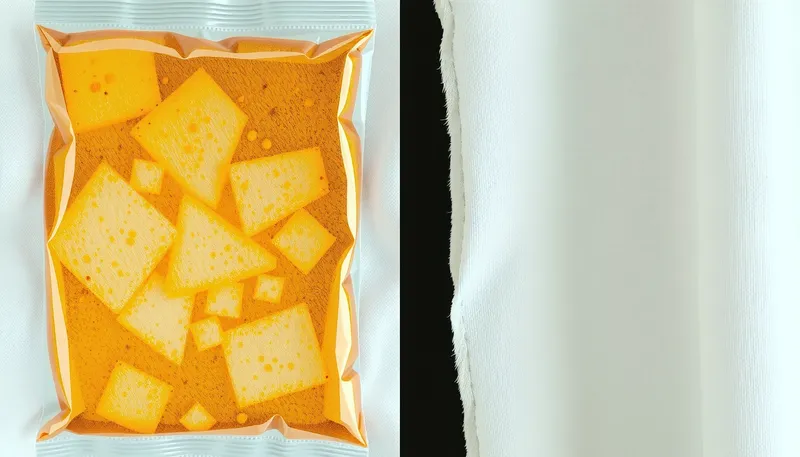
The usual SGS test for this is "Phenolic Yellowing: Assessment of textile materials" (ISO 105-X18). A fabric sample is placed with a test paper. After that, it is wrapped in film, and exposed to both pressure and heating for a certain time. This process recreates warehouse storage conditions. The result is graded from 1-5. A 5 means there is no yellowing at all, while a 1 means there is a significant amount of yellowing present. A 4 or 5 is the standard for quality fabric.
It does not work if your entire shipment of leggings turns unsellable because of the bad yellowing resistance. Having an SGS report before production refers to one of the most important steps that we are doing. It is also a part of checking an sgs testing fabric and is crucial for your business as well.
Fabric companies that make light-colored activewear should obtain materials that are specifically designed for color stability. The Air-Sculpt 34™ | Anti-Yellowing Nylon Spandex Air-Layer Fabric (Molded Bra Cup Ready) is a material subjected to strict testing procedures, required to pass high anti-yellowing standards, and it does. Thus, brands get the assurance of the materials they use for their white, cream, and pastel products to remain true to their brightness. They will always stay good from the warehouse to the consumer.
Beyond the Basics: Other Important SGS Tests for High-Performance Fabrics
A quality activewear fabric must have more than pilling and yellowing resistance. A full strategy on sgs testing fabric would be getting the whole performance view.
Below are other key tests you should also explore:
- Size Stability (Shrinkage): Is there a risk that fabric will shrink or stretch out of shape after washing? This will create issues in fitting the garment over time.
- Color Fastness: This tests if your towel will bleed in the wash. It checks if colors go to other clothes and if they come off on a skin during a sweaty workout.
- Stretch & Recovery: To what degree does the fabric stretch? Also, does it ease back to its original state? This is mainly for leggings and sports bras.
- Material Loss During Washing: Sustainability is a growing concern. SGS is leading the way with new ISO test methods that assess how many tiny fibers a fabric sheds. This connects durability with the environmental footprint.
FAQ: Your Inquiries on SGS Fabric Testing Answered
How much does SGS fabric testing cost?
Prices vary depending on the set of tests you want to perform. A single pilling resistance test only might cost $50-$150. A complete panel of tests for a newly developed fabric can cost a few hundred dollars. Always, it is the best to get a direct quote from SGS for your project or work.
Can I trust a report provided by my fabric supplier?
Most of the time, yes, the report is accurate if it comes from a legitimate SGS lab and is recent. However, for bigger orders, we always recommend conducting your own testing on a sample from the actual production run. This way, you are guaranteed that the quality is in line with the initial sample.
What is an SGS Test Request Form (TRF)?
The TRF is the official document to order a test. It consists of the fabric sample, the details of your company, and a checklist of the specific tests you want SGS to perform. You can find examples of an SGS Test Request Form (TRF) online to see what information you need.
How long does it take to get SGS test results?
The duration is usually 5-7 business days depending on the lab's workload and test complexity. There are sometimes quicker services offered for a small fee if you have a tight schedule.
Does an SGS report guarantee my fabric is 100% defect-free?
No. SGS reports are proof that the specific sample they tested met the standards. It's an important quality control tool but should be used alongside other tests such as bulk production inspection for overall quality.
Conclusion: The Journey from Report to Reputation
In 2026, the ability to read SGS reports for activewear fabrics is a necessary business skill. Concentrating on critical data like anti-pilling and anti-yellowing grades is not only technical work.
It is a best practice. Instead of just being a report, it becomes an asset. By creating the demand for and correctly interpreting this data you make an investment in your product. You minimize your risks. You build a trustworthy brand for lifetime customers.
Written by Forall Lab
© Forall Lab • Powered by Kunpeng ONE