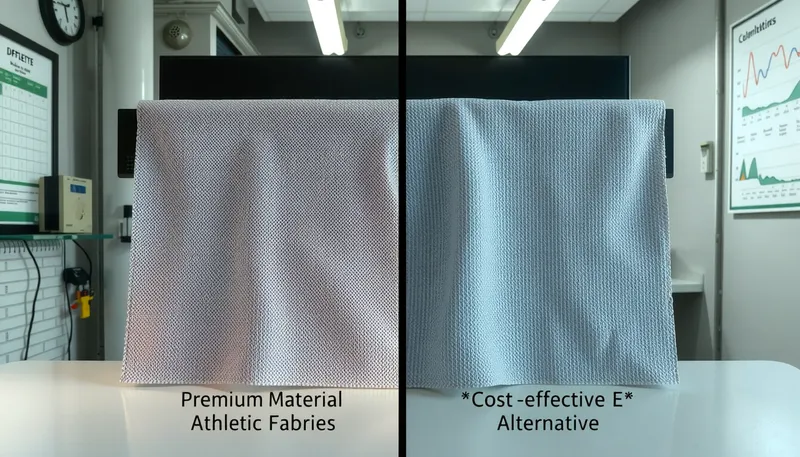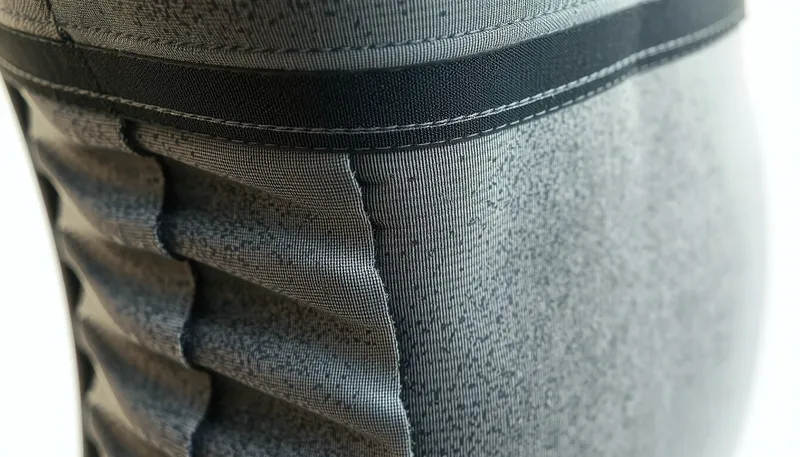
The spandex proportion in leggings is the essential figure on any product tag, it is. It governs the level of comfort and the way of fitting. It also affects the efficiency and the lifespan of your leggings. In 2026, this number is the key to making the right purchase of smart activewear. With this guide, you will learn the science behind it so you can find the right pair for you.
Summary of Key Points
- Recovery Over Stretch: The best thing in a high-performance fabric is not only the stretch. It's the ability to recover or snap back to its original shape. This is called elastic recovery.
- Percentage Defines Purpose: Low spandex (5-10%) is for casual wear. The 15-25% range is the most common for activewear.
- Base Performance Level: To be truly compressive and supportive in the hardest workouts, a spandex content of 25% or higher is needed.
- The Future is Spandex with High Recovery: The latest materials are those that have 34% spandex. They are made for userfully people because of the perfect fitting and no sagging.
What must be the Spandex Percentage for Your Leggings?
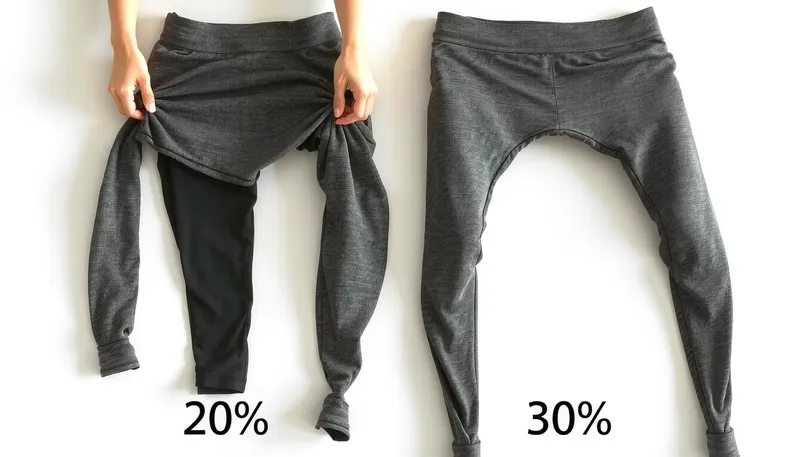
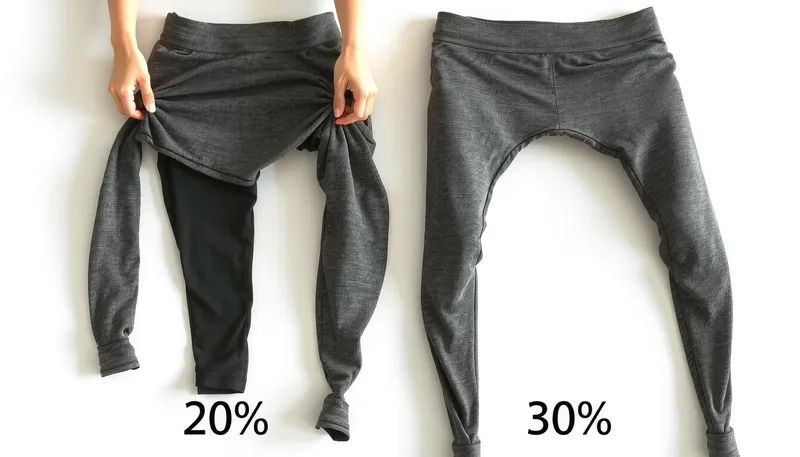
The question most often asked is, "Is 20% or 30% spandex better for athletic leggings?" Whereas 15-25% performs well for general performance, the correct answer is a bit more difficult. It really depends on your priority: soft comfort, light support, or strong compression.
The most crucial aspect here is elastic recovery. This is the measure of the material's ability to return to its original size after being stretched. Performance has next-generation properties due to higher spandex percentages designed specifically for it.
The Stretch & Elasticity Science Behind It
Understanding leggings requires understanding materials first. The spandex percentage in leggings tells how well they will perform.
What is Spandex (Elastane)?
Spandex is also known as elastane. It is a type of material produced by man. The industry is familiar with it for its astonishing stretchability. It can elongate as far as it can and return to its size. It is never used alone. Spandex is always blended with other fabrics like nylon and polyester.
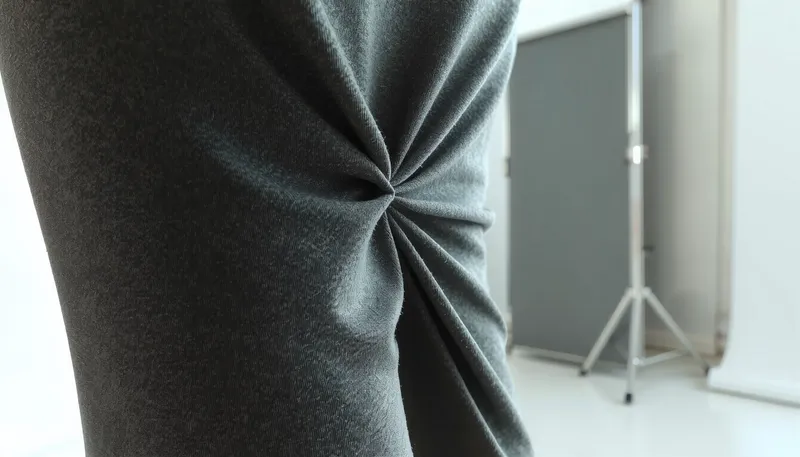
Key Concepts: Stretch vs. Elastic Recovery
These two terms are frequently confused, but they stand for very different things. Understanding the distinction is important.
Stretch: This is the maximum extent that fabric can stretch or expand when you apply a pulling force.
Elastic Recovery: This refers to the fabric's ability to return to its original form after the stretching. This is the property of high-quality long-lasting fabrics. The bad recovery causes knees and waistbands which roll down.
A Comparative Analysis: Spandex Decoded
The spandex amount and how it feels and works in leggings depend a lot on it. Getting to know the standard ranges will let you read any product label like a pro. You can check out more information How Much Stretch Do You REALLY Need? for other types of garments.
The Spandex Spectrum: A Comparison Table
| Spandex % | Feel & Fit | Primary Use Case | Key Characteristics |
|---|---|---|---|
| 5-10% | Soft, cottony, light stretch. | Casual wear, lounging, basic tops. | Pro: Very breathable. Con: Loses shape quickly. |
| 15-25% | Supportive, light compression, "held-in" feel. | All-purpose activewear, yoga, gym. | Pro: Good balance of comfort & support. Con: Recovery can degrade over time. |
| 25%-34% | Compressive, sculpting, "second-skin" fit. | High-intensity training, running, performance sports. | Pro: Excellent muscle support & shape retention. Con: Can feel restrictive if not well-engineered. |
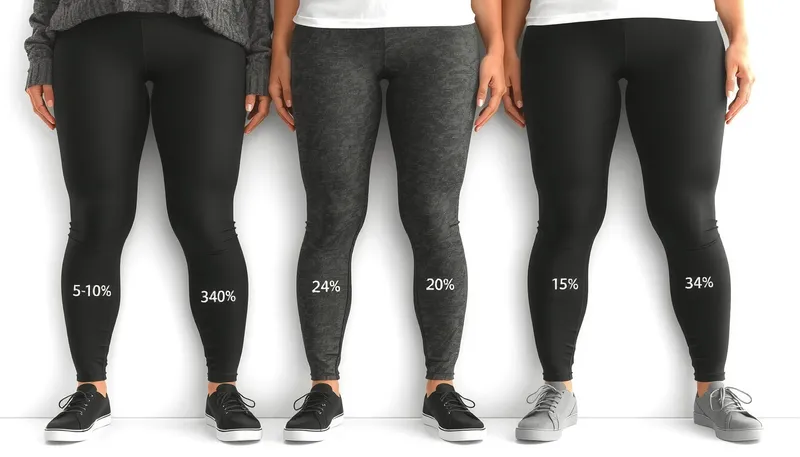
The New Frontier: Why 34% Spandex is for Ultimate Recovery
For so many years, the talk has been 20% or 30% spandex. But in 2026, the development in fabric technology has made that obsolete. The new direction is about making fabrics with nearly all spandex for one purpose: recovering all at once.
No More Stretch: The Science of Engineering "Snap-Back"
Leggings that have a lower spandex content will give up eventually, to put it simply. The fibers become exhausted and lose the ability to go back to their original structure entirely. This fact explains why certain leggings let down at knees, or have waistbands that do not hold after several months.
A core of extreme spandex, over 30%, is a powerful thing within the fabric. It is like a high tension matrix. When you move, the matrix stretches. But the stored energy makes it snap back to its original form precisely. This is the ultimate recovery science.
The Performance Benefits of Maximum Recovery
This approach of focusing on the snap-back brings out clear benefits.
- For Athletes: Whether you make a quick dash, stretch your muscles, or run on a treadmill, you will always have the feeling of stable muscle compression. You will be fine with the fit because it never slips or shifts even during explosive movements.
- For Durability: This fabric's quality is bagging out free. Even after you wear and wash your leggings hundreds of times, they will still look and feel like new. This is a good way of protecting your investment.
- For Aesthetics: The strong recovery is a constant source for smoothing and sculpting. Thus the silhouette stays flawless and sleek all day.
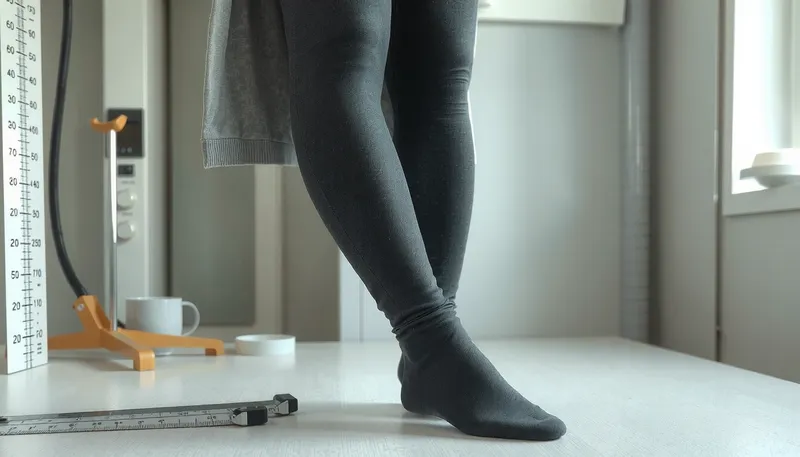
This concept of ultimate recovery is the engine of the next-generation materials. For instance, advanced textiles such as Air-Sculpt 34™ | Anti-Yellowing Nylon Spandex Air-Layer Fabric (Molded Bra Cup Ready) that have a 34% spandex core are the perfect example of this. These are the materials which make a real "second-skin" feel soft, comfortable and supportive and sculpt without fail.
How to Choose the Right Spandex Blend
The ability to choose the right spandex blend becomes easier with the acquired technical knowledge. You should choose the spandex percentage in relation to your main activity. For more tips, check this guide on Choosing the Best Spandex Blend for Activewear.
For Yoga & Pilates: Freedom of Movement (18-25% Spandex)
For these activities, you need a fabric that can stretch with you in every direction. You will want a soft feel that supports but doesn't restrict. A 20% spandex blend generally features a perfect four-way stretch for deep positions that feel tight without being uncomfortable.
For HIIT & Running: Compression and Support (25-34% Spandex)
With high-impact exercises, you need a secure, locked-in feel. A greater spandex content can provide muscle compression and make sure that the waistband does not fold down. The spandex of 25% to 34% is the best option here. It brings the stability that you need to execute sprints and jumps.
For All-Day Athleisure: Durable Comfort (20%+ Spandex)
Even in the case of casual wear, proper recovery is an important factor. To avoid the situation of wearing saggy knees by the end of the day, you should pick leggings that are made of at least 20% spandex. This will enable them to keep their shape and look fresh all day long.
FAQ: Your Spandex Percentage Questions Answered
Check out the responses to the most frequently asked questions about spandex in leggings given below.
What is the best spandex percentage for compression leggings?
If you truly want compression, look for fabrics that contain at least 25% spandex. The high-performance and medical-grade compression can even reach values of 30% or more, which guarantees even pressure and support.
Do leggings with more spandex last longer?
In most cases, yes. Higher levels of spandex help achieve better elastic recovery. In turn, this means that the fabric is less prone to stretching beyond its original shape, therefore, resulting in a longer lifecycle of your leggings.
Can 100% spandex leggings exist?
Although it is possible, 100% spandex garments are not feasible nor comfortable. Spandex, for the most part, is blended with other fibers like nylon or polyester. These blending fibers lend structure, wick moisture, and provide a soft touch.
Is there a downside to a very high spandex percentage in leggings?
If they are not made properly, a very high spandex blend can be rubbery, restrictive, and feel less breathable. However, modern high-tech fabrics that have 30% or more spandex are designed to balance extreme recovery, comfort, and a soft touch.
How does the companion fiber (like nylon or polyester) affect the feel?
The companion fiber is a necessary part. As experts on Why Use Blended Materials explain, the yarn blend dictates the character. Nylon blends are known to be softer and smoother. In contrast, polyester blends are more durable and wick moisture better.
Written by Forall Lab
© Forall Lab • Powered by Kunpeng ONE