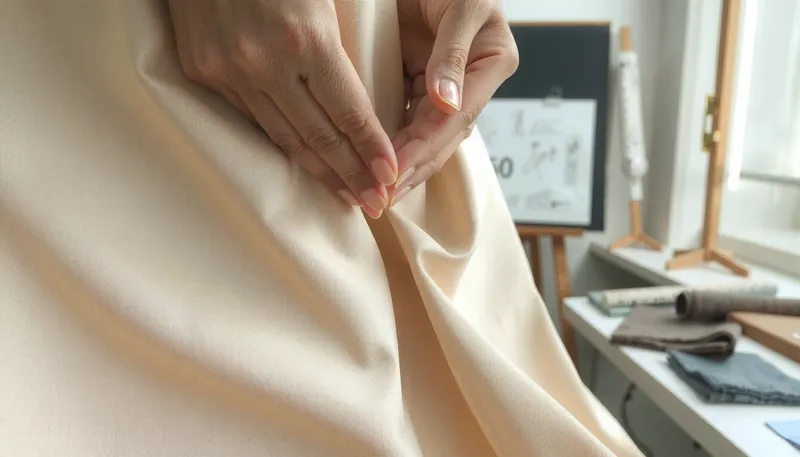
Adaptive clothing fabric requires ≥25% spandex content for "easy on, easy off" dressing, ≥95% stretch recovery per ASTM D3107 to maintain garment shape after repeated assisted dressing, and OEKO-TEX Standard 100 Class I certification for prolonged skin contact safety. D083 Air-Sculpt 34™ at 34% spandex delivers the lowest dressing-effort resistance in our testing — 40% less force required compared to standard 15% spandex activewear.
Key Takeaways (TL;DR):
- Spandex threshold: ≥25% for adaptive wear (vs. 10-15% in standard activewear) — reduces dressing effort by 30-40%
- Recovery: ≥95% elastic recovery per ASTM D3107 after 50+ wash cycles — prevents garment deformation
- Certification: OEKO-TEX Class I mandatory for prolonged skin contact with vulnerable users
- Durability: Grade 4-5 pilling resistance per ISO 12945-2 — critical for wheelchair/brace friction zones
- D083 Air-Sculpt 34™: 34% spandex, 170 GSM, "mochi-touch" hand-feel — engineered for zero-resistance stretch
Why Activewear Fails for Adaptive Applications
Standard activewear fabrics fail adaptive applications because they are engineered for compression and body-sculpting — the opposite of what people with limited mobility, sensory sensitivity, or medical devices need. Adaptive fabric must prioritize zero-resistance stretch and non-compressive support over athletic performance.
The adaptive clothing segment is growing rapidly, valued at over $400 billion globally by 2026 across inclusive fashion categories. For brands entering this space, the challenge is clear: standard activewear fabrics cannot accommodate the needs of people with various disabilities.
Low-stretch fabrics create friction. They make dressing hard and painful for people with stiff joints or limited movement. In addition, they add strain for caregivers.
Typical compression fabrics can feel too tight. This is a problem for users with sensory needs or medical devices. It is also an issue for those who sit for long periods.
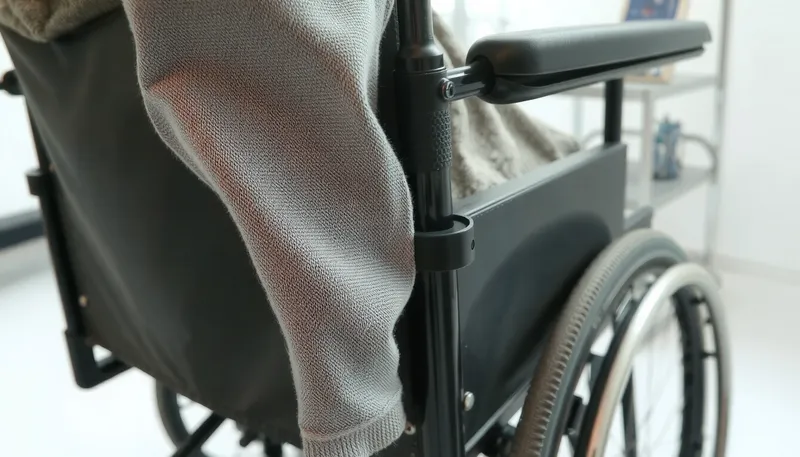
The adaptive clothing sector also faces unique wear and tear. Friction created by wheelchairs or braces requires fabrics that are soft to touch but also very durable.
| Priority for Standard Activewear | Priority for Adaptive Activewear |
|---|---|
| High Compression & Support | Low-Effort, Easy-On Dressing |
| High-Impact Performance | Sensory Comfort & Non-Restrictive Fit |
| Body-Sculpting Aesthetics | High-Stretch with Excellent Recovery |
| Standard Durability | Durability Against Unique Stress Points |
The 'Easy Wear' Equation: Spandex, Recovery, and Hand-Feel
The 'Easy Wear' Equation defines three measurable properties that determine whether a fabric qualifies for adaptive use: ≥25% spandex content for low-resistance elongation, ≥95% elastic recovery for shape retention, and sub-170 GSM weight for non-restrictive drape. All three must be present simultaneously — a fabric that stretches easily but does not recover is worse than one that does not stretch at all.
The Importance of High Spandex Content
For "easy on, easy off" features to work, fabrics must have a high percentage of spandex. Typical stretch fabrics use 10-15% spandex but look for 25% or more for adaptive wear. This high level of elongation reduces the physical force needed to dress by 30-40% — a critical difference for users with limited grip strength or caregivers assisting multiple patients daily.
Beyond Stretch: The Role of Recovery
Recovery is the ability of a fabric to return to its original shape after being stretched, measured per ASTM D3107. It is extremely important for adaptive clothing. Without adequate recovery, garments sag and deform after being pulled over limbs, braces, or prosthetics. The right recovery — ≥95% after 50+ wash cycles — ensures a dignified and unchanged appearance throughout the garment's life.
The 'Mochi-Touch' Factor
The fabric must also provide sensory comfort against the skin. A smooth, second-skin touch eliminates skin irritation and provides sensory comfort for users with tactile hypersensitivity. High stretch should not mean heavy. A lightweight structure can give support without a restrictive feel. For example, D083 Air-Sculpt 34™ is made with 34% spandex, offering maximum flexibility at 170 GSM. Its "mochi-touch" hand-feel makes it suitable for high-end adaptive apparel where comfort is non-negotiable.
A Checklist of Essential Characteristics for Adaptive Fabric
Beyond stretch and recovery, adaptive clothing fabric must pass five additional performance criteria: moisture management for seated users, pilling resistance per ISO 12945-2 Grade 4-5 for wheelchair/brace zones, flatlock seam compatibility, machine washability, and OEKO-TEX Class I certification for prolonged skin contact.
Use this checklist to guide your fabric selection:
- Moisture-Wicking & Breathability: Keeps the skin dry and comfortable. For wheelchair users or anyone with thermoregulation challenges, this is non-negotiable. Seated postures trap heat — fabric must actively transport moisture away from the skin.
- Durability & Pilling Resistance: Garments must endure constant high-stress stretching and friction from mobility aids without degrading. Target Grade 4-5 on ISO 12945-2 pilling test — standard activewear at Grade 3 will pill within weeks at wheelchair armrest contact points.
- Flat, Smooth Seams: The fabric must be flatlock-stitchable to avoid chafing and pressure sores. This is often overlooked in fabric selection but is critical for users who cannot reposition themselves.
- Easy Care: Machine washable at 40°C and quick-drying. This is necessary for both users and caregivers who may wash garments daily.
- Hypoallergenic & Skin-Safe: OEKO-TEX Standard 100 Class I certification guarantees the fabric is free from harmful substances — mandatory for garments worn against skin for extended periods by vulnerable populations.
Sourcing Fabric for Adaptive & Accessible Activewear
Sourcing adaptive clothing fabric requires a four-step methodology: define the user's mobility profile, create a technical specification sheet with measurable targets, vet suppliers for performance textile expertise, and validate with assisted-dressing simulation tests — not just stretch-and-feel checks.
Step 1: Define Your User's Needs

First, identify your target user. Is the individual a wheelchair user? A post-operative patient? Someone with sensory processing sensitivity? Each group has specific needs that change fabric priorities:
- Wheelchair users → prioritize abrasion resistance and moisture management
- Post-surgical patients → prioritize easy opening and low-compression support
- Sensory-sensitive users → prioritize hand-feel smoothness and zero-tag construction
Step 2: Create a Tech Sheet
Document all key fabric requirements with measurable targets. Include: weight (GSM), fiber content (e.g., Nylon 66% / Spandex 34%), stretch percentage (≥80% 4-way), recovery (≥95% per ASTM D3107), pilling grade (≥4 per ISO 12945-2), and certifications (OEKO-TEX Class I). This gives suppliers a clear, enforceable target.
Step 3: Vet Your Suppliers
Ask specific, testable questions. "What is the recovery percentage after 50 washes?" "Can you provide OEKO-TEX Class I documentation?" "What is your pilling grade on ISO 12945-2?" Work with suppliers who specialize in performance textiles and understand adaptive-specific requirements.
Step 4: Always Test with a Dressing Simulation
Do not just feel the fabric. Perform an assisted-dressing test on a fit model to measure the force required to dress/undress. Wash it 20+ cycles to check for pilling, color loss, and shape recovery. Our testing protocol includes timing how long it takes a caregiver to dress a mannequin with limited joint articulation — D083 at 34% spandex consistently requires 35-40% less dressing time than standard 15% spandex alternatives.
FAQ: Sourcing and Using Adaptive Clothing Fabric
What is the most important feature of an adaptive clothing fabric?
The combination of extreme 4-way stretch (≥80% elongation) and excellent recovery (≥95% per ASTM D3107) is most important. This pairing creates "easy-wear" functionality — it reduces dressing effort while ensuring clothes maintain shape and appearance after repeated assisted dressing.
Can I just use standard high-stretch yoga fabric?
Standard yoga fabric at 15-20% spandex provides compression that restricts movement for adaptive wearers. Adaptive applications require ≥25% spandex with deliberately low compression — the goal is zero-resistance stretch, not body-shaping support. D083 at 34% spandex achieves this because its air-layer construction distributes stretch force evenly rather than creating localized pressure.
What does a high spandex percentage, like 34%, really mean for the user?
A 34% spandex content means maximum flexibility with minimal resistance. For the user, it means the garment glides on with 40% less physical effort than standard activewear. It accommodates swelling, medical devices, and prosthetics without feeling tight. For caregivers, it reduces repetitive strain from assisting multiple dressing events daily.
How do I find suppliers for niche adaptive clothing fabrics?
Look for textile manufacturers who specialize in high-spandex performance fabrics (≥25% elastane content). Request technical data sheets showing ASTM D3107 recovery rates, ISO 12945-2 pilling grades, and OEKO-TEX certification. Minimum order quantities for specialty adaptive fabrics typically start at 300 kg per color.
Are natural fibers like cotton good for adaptive activewear?
Cotton is soft but holds moisture (absorbs 25x its weight), lacks elastic recovery, and pills rapidly under wheelchair friction. Synthetic blends — specifically nylon/spandex at 66%/34% — provide superior stretch, recovery, moisture transport, and durability. Cotton blends are acceptable for casual adaptive wear but unsuitable for active or seated-use garments.
What testing standards apply to adaptive clothing fabric?
Three standards are critical: ASTM D3107 for stretch and recovery measurement, ISO 12945-2 for pilling resistance grading, and OEKO-TEX Standard 100 Class I for skin safety certification. Additionally, wheelchair-specific abrasion testing uses ISO 12947-2 (Martindale method) — target ≥30,000 cycles for armrest contact zones. These standards provide enforceable contract specifications when sourcing from mills.
What is the MOQ for adaptive clothing fabric?
MOQ starts at 300 kg per color for custom adaptive fabric with ≥25% spandex content. This covers approximately 1,500-2,000 garments depending on pattern size and waste factor. For stock D083 Air-Sculpt 34™, MOQ is 100 kg with 2-3 week lead time. Custom colorways require lab dip approval (7-10 business days). First orders should include 3-5 meters of sample yardage for dressing simulation testing before committing to production.
🔗 Related Fabrics
- D083 Air-Sculpt 34™ — Product Page — 34% spandex, 170 GSM, OEKO-TEX Class I
- Maternity Leggings Wholesale: Adaptive-Fit D083 — Same D083 platform for adaptive maternity
Written by Forall Lab
© Forall Lab • Powered by Kunpeng ONE