Introduction: More Than Just a Shirt, It's Your Armor
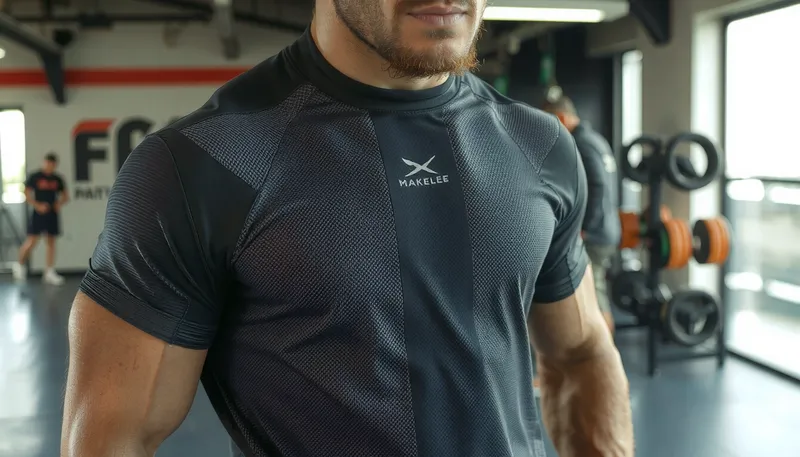
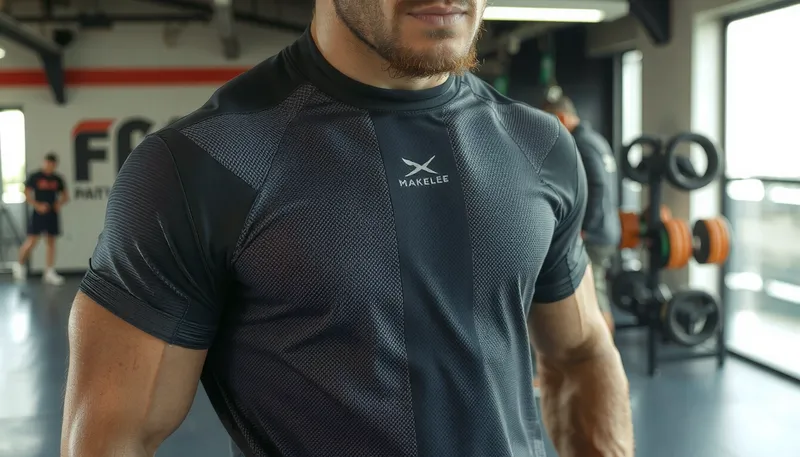
A rash guard for surfing is not the same as one for combat sports. Mixed Martial Arts (MMA) and Brazilian Jiu-Jitsu (BJJ) are much tougher. Your gear faces constant mat friction. It gets pulled hard. It faces extreme stress that destroys weak fabrics. This guide explains why the right mma rash guard material is a necessity. It shows why with heavy-duty nylon a serious fighter conquers his gear in 2026. Besides, the text will help you to discover the signs of the best durable rash guard.
Key Takeaways
- MMA and BJJ training are extremely harsh on equipment. It requires materials that are much stronger than those used for surfing or simple fitness.
- Mat friction is the chief reason for pilling. This weakens the fabric and makes it feel rough.
- Heavy-duty nylon/spandex blends resist tears better than standard polyester.
- The way the fabric is made is just as important as the material. An Interlock weave helps prevent pilling.
- A flatlock stitch and silicone waistbands are signs of quality gear.
The Hidden Enemy: How Mat Friction Destroys Your Gear
The biggest threat to your rash guard is the mat you train on. BJJ and wrestling mats are rough. They are made for grip.
Every time you shoot for a takedown, you rub against this surface. When you escape a bad position, your body grinds on the mat. When you defend from your guard, the friction is intense. This rubbing acts like sandpaper on your gear.
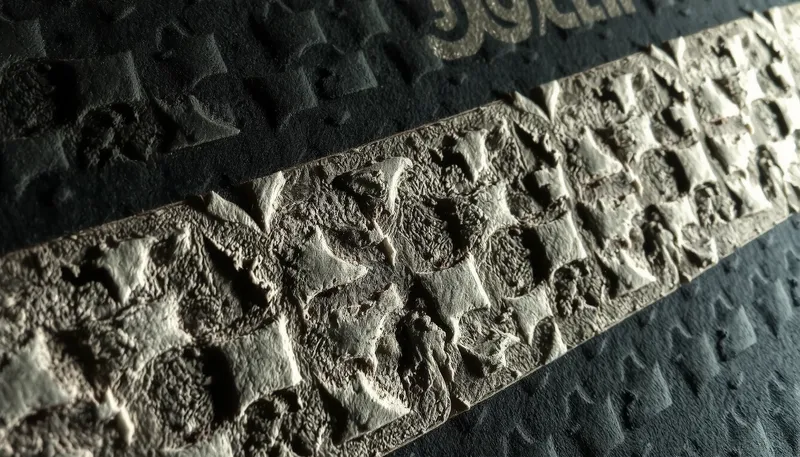
This constant rubbing causes "pilling." Pilling is when small balls of fiber form on the fabric. It is not just ugly. It shows that the fabric is breaking down and getting weak. A pilled rash guard feels rough. It traps more sweat and germs. It is much more likely to tear.
The fabric should also resist incredible forces while being pulled. Your opponent holds your sleeves, holds your collar, and sometimes holds your body. During the fights and moves, the fabric material gets stretched to its maximum. These are the parts where the cheap seams get broken. The weak ones are the ones which get ripped. The session termination is the case. Totally, the money is wasted. A quality mma rash guard material is one that is both friction and ripping proof.
Common Materials Face the Test: Polyester vs. Heavy-Duty Nylon
One of the top decisions you will need to make when buying your MMA rash guard is deciding the right material for it. Let's talk about the two principal options.
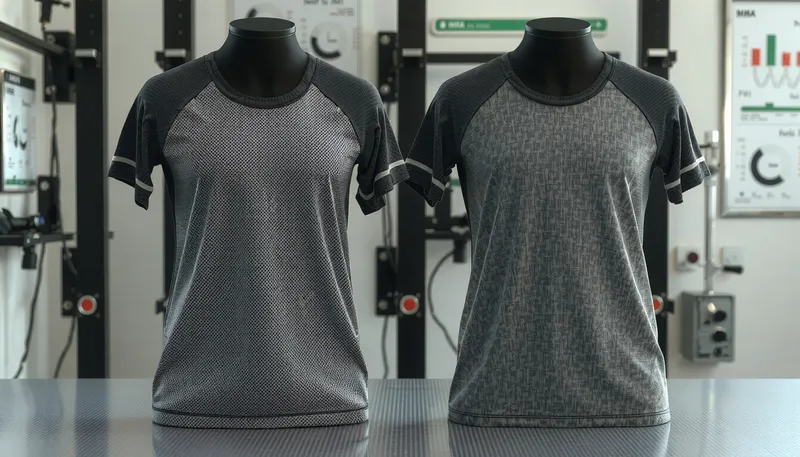
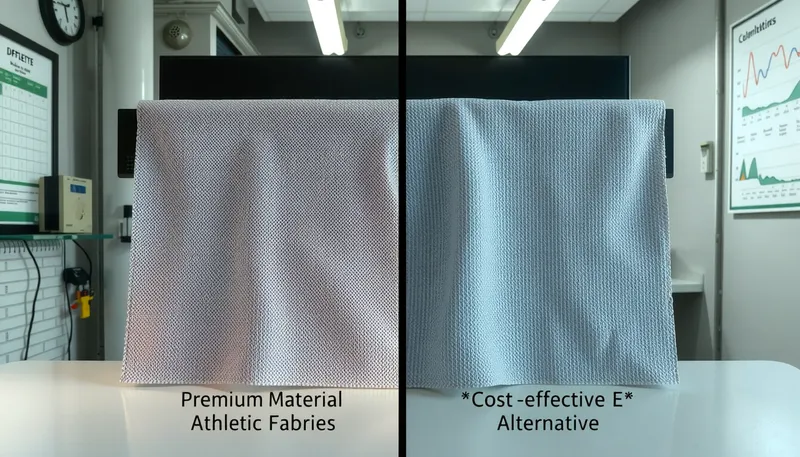
In the clothing industry, the standard for pooling moisture away from the skin is a polyester/spandex blend. This fabric is the number one choice because of how fast and effective it wicks away moisture from the skin. It is also cheap and easy to produce. You can check out more about what material is best for rash guards for general sports use. However, unlike MMA and BJJ, polyester has one significant drawback. It is not a good option with regard to abrasion resistance. It tends to pill and snag quickly from mat friction. Hence, it is not durable.
This leads us to the hard choice: nylon/spandex blends. For serious training, this is definitely the better choice. Nylon is a stronger fiber than polyester. It is much better at resisting rubbing. Thus, it remains smooth and free from pilling for longer. This is how Beyond Surfing: Why MMA Brands Require Heavy-Duty Nylon expresses it. It feels far better against your skin. It glides much easier on the mat. Thus, you have lesser friction from the start.
| Feature | Polyester/Spandex Blend | Heavy-Duty Nylon/Spandex Blend |
|---|---|---|
| Abrasion Resistance | Moderate (Prone to pilling) | High (Pilling & friction are resisted) |
| Tear Strength | Good | Excellent |
| Moisture Wicking | Excellent | Good |
| Feel/Comfort | Soft, sometimes feels "plasticky" | Smooth, feels like a second skin |
| Cost | Lower | Higher |
| Ideal For | General fitness, light training | Serious MMA/BJJ, competition |
Not All Nylon Is the Same: How Fabric Is Made Matters
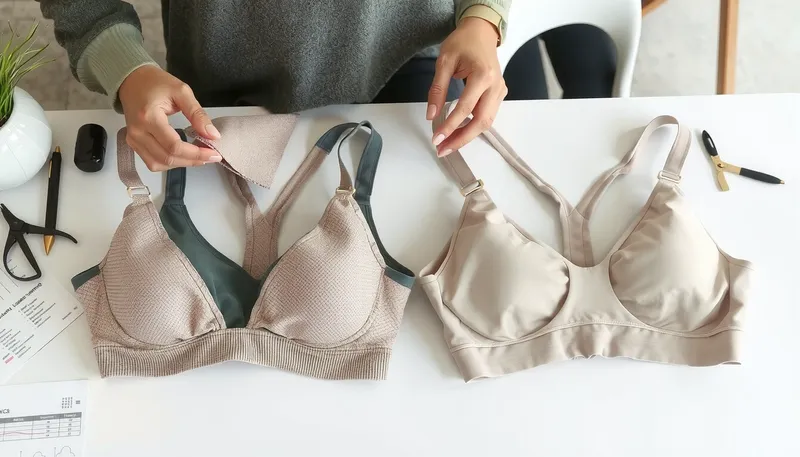
When it comes to materials, merely selecting the nylon type isn't enough. The way that actual fabric is constructed is just as significant as the material. The most advanced materials combine smart knit patterns with fabric technologies to reach their full potential.

Rash guards are usually made with simple jersey knit, however a better solution is an Interlock knit. Interlock is a double-knit fabric. By means of two layers, the fabric is knitted together. This will result in a thicker, more stable fabric. Therefore, the structure itself naturally appears sturdier. It does not stretch out of shape, nor does it curl at the edges. Most importantly, it is resistant to tearing. According to the specialists Choosing the right material for BJJ rash guards is looking for these kinds of fabrics.
The dense Interlock structure is a strategic weapon against pilling. The fibers are more tightly locked in place. There are less loose ends that are exposed to the mat. This is the reason why a rash guard will look new for a much longer time and will work better for you. For example, Nylon Interlock| D036: The 160gsm Interlock That Won't Curl or Warp Prints are special fabrics that are designed to be a "tightly woven canvas" for grappling. This kind of construction gives excellent performance in anti-pilling and tear resistance. Therefore, it is truly an ideal mma rash guard material.
Beyond the Label: What to Actually Look For
When you are ready to buy your next rash guard, look for these signs of quality that go beyond the fabric type.
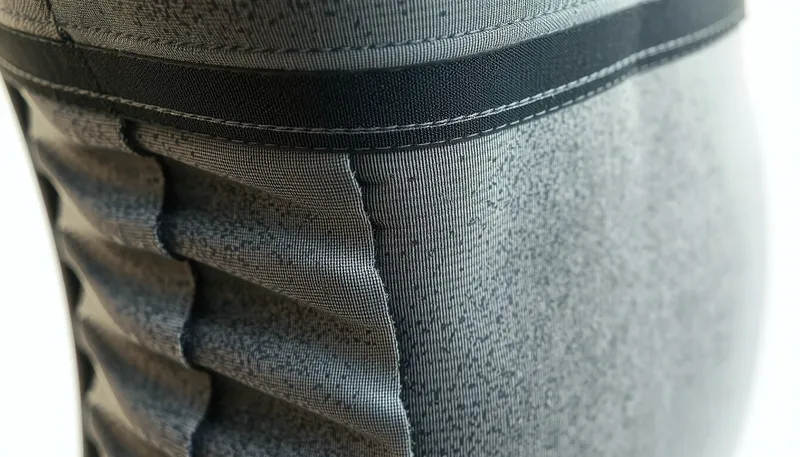
- Stitching: Always go for flatlock seams as they are very strong and stay flat against your skin. This minimizes discomfort from the rubbing of raised seams.
- Construction: Opt for a multi-panel construction. When the shirt uses different panels of fabrics, it can follow the body's natural curves and fit better and more comfortably without constraining movement.
- Weight (GSM): GSM is short for Grams per Square Meter. A high GSM usually means a denser and tougher fabric. However, take care because an excessively heavy fabric may be too hot. Balance is the key.
- Grip: An inside bottom hem with a silicone or rubber strip is a must feature. There is no more annoying thing than the rash guard that keeps riding up your back during training. This will expose your skin and you will have to adjust it every time. This single important feature solves that problem.
The best combination of durable materials and intelligence building are what is needed to withstand all conditions and thus become top compression gear for ultimate grappling.
FAQ: Your MMA Rash Guard Material Questions Answered
Can I use a surf rash guard for BJJ or MMA?
We strongly advise against it. Surf rash guards are designed for UV protection and light abrasion from a surfboard. They lack the tear resistance and durability needed for the intense pulling and mat friction of grappling and will likely be destroyed very quickly.
What is "pilling" and why is it bad for my rash guard?
Pilling is when tiny balls of tangled fibers form on the fabric's surface. Friction causes this. It's not just ugly. It's a sign that the fabric is getting weak. This makes the material less comfortable and more likely to tear.
Is a heavier (higher GSM) rash guard always better?
Not always. While a higher GSM often means more toughness, it can also be hotter and less flexible. The key is balance between toughness and performance. This is why the type of material (like a high-quality nylon interlock) is often more important than weight alone.
Why are nylon MMA rash guards more expensive than polyester ones?
The higher cost is due to the better performance of the raw material and it may also reflect a more complex and involved manufacturing process. Nylon fibers are naturally stronger, more durable, and do not friction like polyester. They tend to feel smoother, which is why they are preferred in high-contact sports.
How can I make my rash guard last longer?
Besides choosing a tough material like nylon, always wash it in cold water right after training. Hang it to dry. Avoid fabric softeners. These can damage the spandex. Never put it in a hot dryer.
Written by Forall Lab
© Forall Lab • Powered by Kunpeng ONE