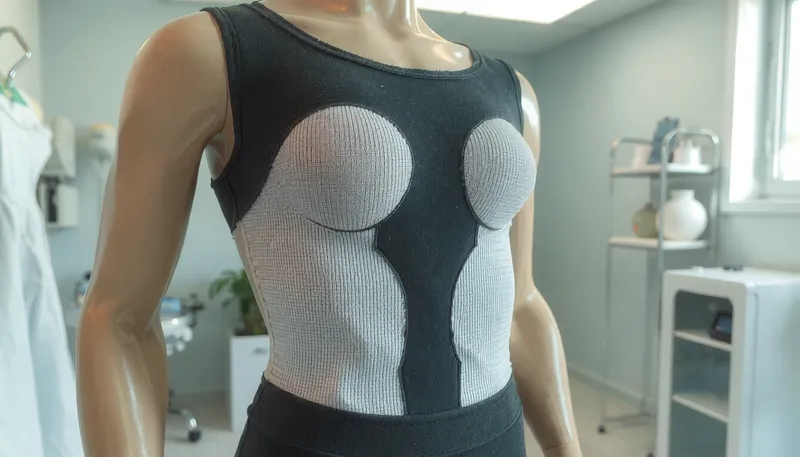
Post-surgery compression garments are medical-grade fitted garments worn after a surgical procedure to apply calibrated pressure that helps manage swelling and supports healing tissues. After surgery, your skin becomes highly sensitive and requires extra care. The right post-surgery compression garments feel less like a medical device and more like a soft, protective layer. This 2026 guide is not only about pressure but also about what genuinely supports your recovery: soft medical fabric and a clean healing environment.
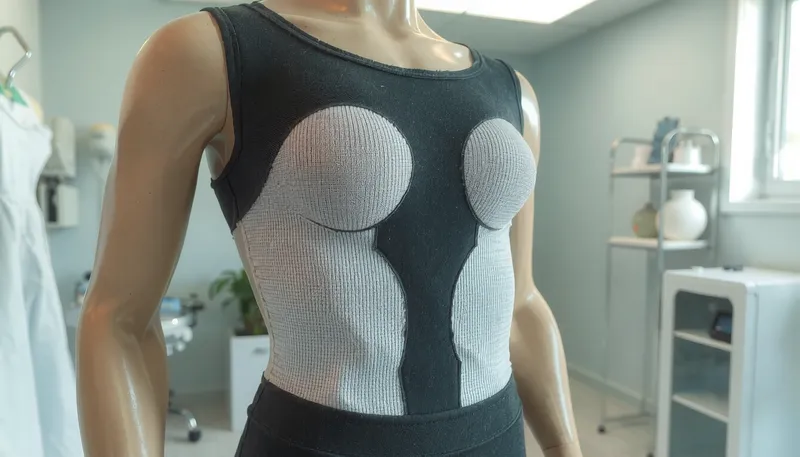
Key Points
- Softness is Not a Luxury: Post-op skin is extremely sensitive. Rough fabrics may irritate your skin and slow the healing process.
- Fabric Matters Most: Choose smooth materials like D083 (20D Nylon). These offer a feather-light feel and strong, medical-grade compression.
- Hygiene Supports Recovery: Choose fabrics that breathe and pull moisture away. This keeps the surgical area dry and supports a clean healing environment.
- Care Preserves the Garment: Always wash your garments by hand in cold water. To protect their compression and softness, air dry them.
- Shapewear is No Replacement: Regular shapewear cannot be used for post-op recovery. It lacks the specific design and medical-grade materials needed for proper healing.
Why Post-Op Skin Needs More
Post-operative skin is at its most vulnerable state: it is healing, highly sensitive, and prone to irritation from friction, heat, and trapped moisture. Waiting for your incisions to heal is only part of your recovery. Your choice of post-surgery compression garments also affects your comfort and your safety.
Rough Fabrics Bring Danger
Rough fabric can chafe swollen, sore skin, and the resulting friction can create micro-wounds. Standard fabrics can feel abrasive against healing tissue, and even some fabrics sold specifically for recovery can cause problems.
These small wounds can lead to dryness, itching, burning, and constant chafing. Many patients experience this discomfort, which adds unnecessary stress during an already difficult recovery. This kind of irritation can disrupt incisions and increase the risk of infection.
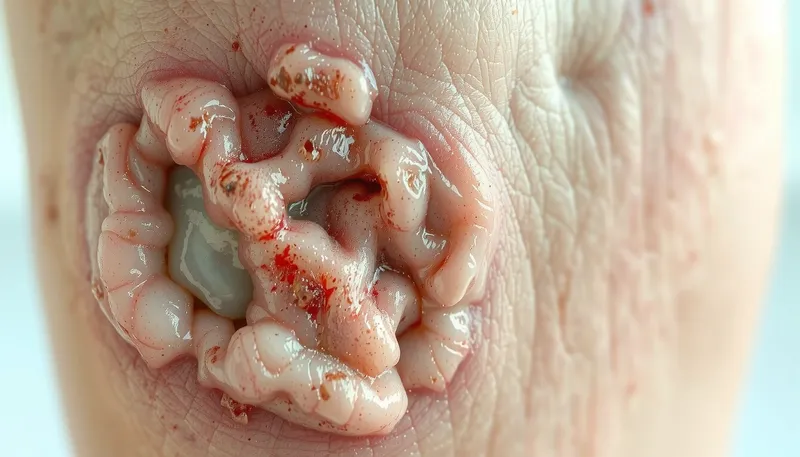
Hygiene as a Key Element in Recovery
Hygiene is a medical requirement during post-surgery recovery, because a warm, moist environment can promote bacterial growth around an incision. An operated area is a place where bacteria can multiply, so keeping it clean and dry matters.
Non-breathable fabrics tend to keep your skin hot and sweaty. Such warmth and moisture allow germs to multiply. Choosing a breathable, cleanable fabric is an important part of your recovery.
Medical Grade Comfort: Fabric for Post-Op Recovery
Medical-grade comfort in a post-op garment means a fabric engineered to be both gentle on sensitive skin and firm enough to deliver sustained compression. For post-op skin that needs cloud-like softness, specific fabrics are engineered to achieve this. The science of these materials balances gentleness and firmness — exactly the properties your body needs while healing.
Presenting D083 (20D Nylon)
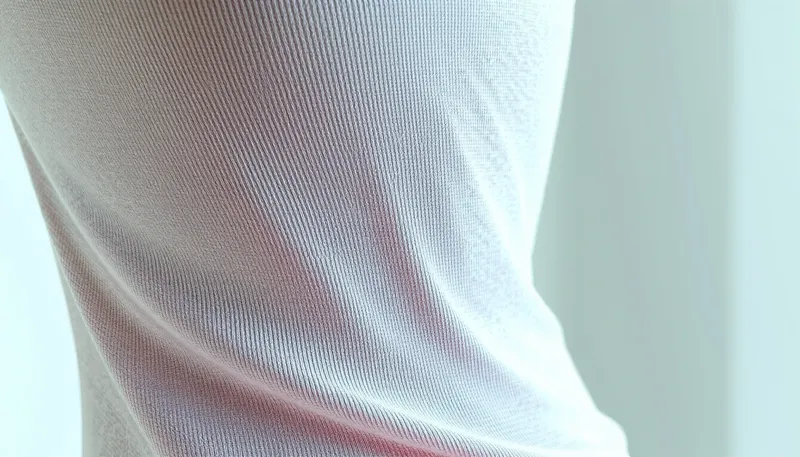
The leading material for sensitive, healing skin in 2026 is a fabric called D083, a medical-grade 20D Nylon knit engineered for post-surgery wear. Forall Lab supplies it as the D083 Air-Sculpt 34™ platform with full OEKO-TEX 100 Class I documentation.
The "20D" refers to its denier — a measure of thread thickness. A low number like 20D means the threads are fine and lightweight, which results in a very soft and smooth feel.
Soft but Strong Fabric
The primary advantage of D083 Nylon is that its softness does not sacrifice compression. It delivers a balanced combination of comfort and medical-grade support during recovery. In our factory's testing, the D083 Air-Sculpt 34™ knit — a 20D Micro-Nylon and spandex blend — consistently exceeds 95% elastic recovery under ASTM D3107 while keeping its smooth surface.
- Smooth Surface: The fine knit construction makes it silky. It glides over skin, stitches, and surgical glue instead of sticking or rubbing.
- High and Sustained Compression: The advanced structure provides sustained, medical-grade pressure that helps manage swelling and supports healing tissues.
- Breathability and Moisture Management: This fabric actively pulls sweat away from your skin. It keeps the surgical area dry, comfortable, and clean — supporting skin health and reducing irritation.
| 参数 | D083 Air-Sculpt 34™ |
|---|---|
| 纤维组成 | 20D Micro-Nylon + Spandex 混纺 |
| 旦数 | 20D(细旦 → 柔软手感) |
| 弹性回复 | ASTM D3107 >95% |
| 认证 | OEKO-TEX 100 Class I |
| 典型用途 | 术后压缩衣物、敏感皮肤恢复 |
Your Selection Checklist
A post-surgery compression garment checklist is a set of fabric, construction, and fit criteria that distinguishes medical-grade recovery wear from ordinary shapewear. This short checklist will help you find a suitable post-surgery compression garment, ensuring both safety and comfort.
- Fabric First: Is it a soft, non-abrasive material like D083 Nylon or a similar medical-grade microfiber?
- Seamless Construction: Does the garment have flat seams or no seams at all? This prevents lines from digging into your sensitive skin.
- Adjustable Closures: Look for soft, padded zippers or hook-and-eye closures with several rows. These let you adjust the fit as swelling goes down. Avoid rough Velcro.
- Breathability: Is the fabric moisture-wicking? This is a must-have feature for hygiene.
- Proper Fit and Coverage: Does it cover the whole surgical area without rolling down or leaving gaps? If so, it is a good fit for compression.
Making the right choice is essential. The fabric is what makes the garment effective — and it helps prevent skin irritation. Contact our sourcing team for a D083 Air-Sculpt consultation and sample.
Maintaining Your Garment
Proper garment care preserves both the compression and the hygiene of a post-surgery garment, keeping it safe for daily wear. Correct maintenance protects the fabric's compression and softness while keeping the garment clean for repeated use.
- Wash Often: You should wash your garment after each day of wear. This is why surgeons recommend buying at least 2 garments. You will wear one while the other is washed.
- Use Cold Water & Gentle Soap: Heat can damage the fabric's special fibers, which is why you should use cold water. Use mild, gentle soaps only.
- Hand Wash if Possible: This is the gentlest method. If you must use a machine, put the garment in a mesh laundry bag and use the delicate cycle.
- Air Dry Only: A compression garment should never go into a dryer. The intense heat damages the elastic fibers which ruin the compression and fit. Lay it flat or hang it to dry away from direct sunlight.
FAQ: Your Post-Surgery Questions
Here are some answers to common post-surgery compression garments questions.
How do I know if the compression is correct and not too tight?
Correct compression feels like a firm, supportive hug, not a painful squeeze. You should be able to breathe comfortably. If you experience numbness, tingling, or sharp pain, the garment is too tight and you should consult your surgeon.
Can I just use regular shapewear instead of a post-surgery garment?
No. Shapewear is designed for aesthetics, not medical recovery. Post-surgery compression garments provide calibrated pressure, are made from specialized hygienic fabrics, and are designed to be worn over long periods without harming healing tissues.
How many post-surgery compression garments do I need?
Most surgeons recommend having at least two. This allows you to wear one while the other is being washed and dried, ensuring you can maintain constant compression and hygiene as directed by your doctor.
What is the difference between Stage 1 and Stage 2 garments?
Stage 1 and Stage 2 garments differ in compression level and when they are worn during recovery. Stage 1 garments are for immediate post-op use, offering high compression with features like zippers for easy wear over bandages. Stage 2 garments are for later in recovery (usually a few weeks post-op), offering slightly less compression and often a pull-on style for continued shaping and support as you become more mobile.
Why is a non-abrasive fabric like D083 Nylon so important?
A non-abrasive fabric is important because post-surgery skin is fragile and easily irritated by friction. A smooth fabric like D083 (20D Nylon) prevents rubbing against incisions, reducing discomfort and supporting skin health while still delivering the high compression needed to control swelling. This is the same softness-first principle behind medical-grade compression fabric engineered for recovery wear.
How long should I wear my post-surgery compression garment each day?
Most surgeons recommend wearing the garment for the majority of the day during early recovery — often 23 hours a day, removing it only for washing and skin checks. The exact schedule depends on your procedure and your surgeon's protocol. Follow the wearing schedule you are given, and reduce the hours only when your surgeon directs.
Can I sleep in my post-surgery compression garment?
Yes — sleeping in the garment is usually expected during the initial recovery phase, because compression needs to be maintained continuously to manage swelling. If your surgeon approves overnight wear, smooth the fabric so it stays wrinkle-free and does not create pressure lines against your skin.
What compression level (mmHg) do I need after surgery?
Post-surgery compression garments are typically grouped by mmHg ranges — commonly 20–30 mmHg or 30–40 mmHg for post-operative use. The right level depends on your procedure and your surgeon's prescription. Ask your surgeon or fitter for the specific range: too little compression may not manage swelling, while too much can restrict circulation.
Medical disclaimer: This article is for general information only and does not replace professional medical advice. Always follow your surgeon's or physician's instructions regarding compression therapy, wearing schedules, and garment selection.
🔗 Related Fabrics
This article extends Forall Lab's D083 Air-Sculpt 34™ (20D Nylon) platform into post-surgery compression garments, connecting softness, medical-grade compression, and skin hygiene:
- D083 Air-Sculpt 34™ — Product Page — The 20D Nylon platform referenced throughout this guide
- Medical Compression Fabric Sourcing Guide — Engineering-grade sourcing guide for the same D083 medical platform
- Compression Wear Recovery Science — How graduated compression supports blood flow and recovery
- Postpartum Activewear Fabric — D083 gentle recovery for a similar sensitive-skin application
Written by Wenruo
Textile Engineer, Forall Lab