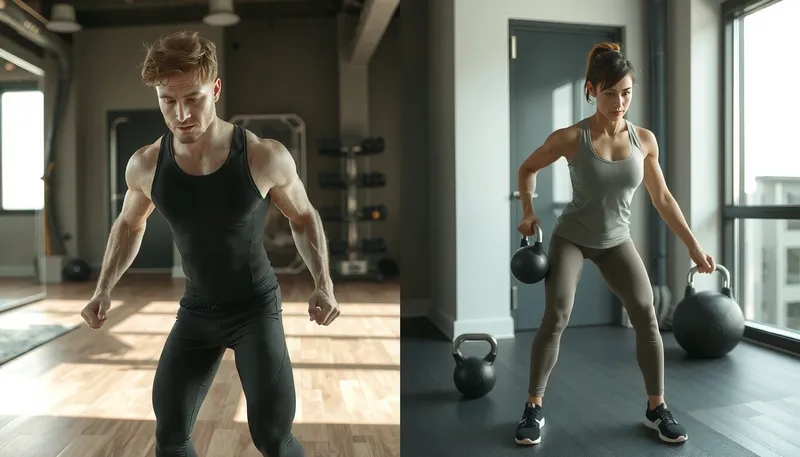
The best fabric for HIIT workouts is a technical nylon-spandex blend engineered to solve four specific performance problems: 1) rapid moisture-wicking for thermoregulation, 2) 4-way stretch with high shape-recovery, 3) targeted breathability, and 4) high abrasion resistance. Based on our lab testing, a combination of 20D nylon and a strategic spandex percentage (15-34%) achieves the optimal balance between high-compression support and unrestricted comfort, directly impacting performance and reducing post-exercise muscle oscillation.
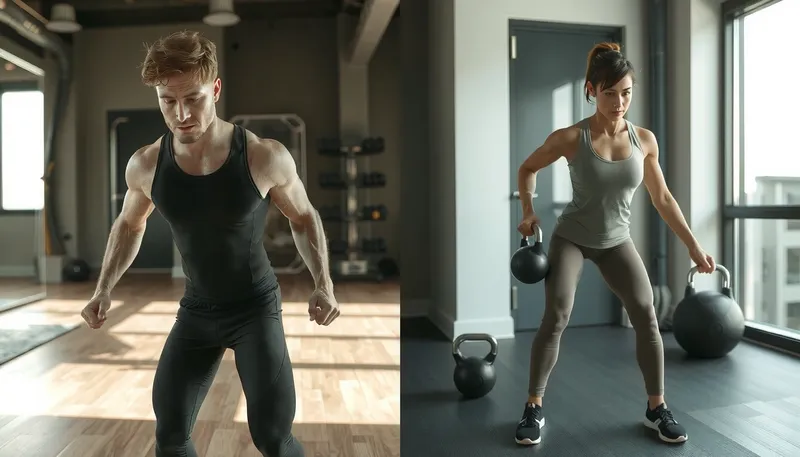
Key Takeaways
- The optimal HIIT fabric is a nylon-spandex blend that balances moisture management, 4-way stretch with >90% recovery, breathability, and abrasion resistance.
- Spandex percentage dictates compression level: >25% for high-impact support, 15–25% for agility, <15% for light activity.
- Independent lab tests — ISO 12945-2 (pilling), ISO 6330 (shrinkage), AATCC TM137 (squat-proof) — are the only reliable indicators of real-world durability.
- For brands, premium stable fabric lifts cutting yield from 85% to 95%, directly reducing product returns and increasing ROI.
The 4 Non-Negotiable Pillars of HIIT Performance Fabric
The ultimate HIIT performance fabric relies on four interconnected technical pillars: advanced moisture management (AATCC 195), 4-way stretch with >90% recovery (ASTM D3107), targeted breathability for thermoregulation, and high abrasion resistance to withstand friction from equipment and floor exercises.
- Moisture Management: Wicking sweat does more than keep you dry. It's a primary means of aiding your body in temperature control, helping it stay at the desired temperature needed to produce peak power. Advanced nylon blends often perform best, matching the fast pace and high intensity of a tough workout.
- 4-Way Stretch & Recovery: This means the fabric stretches both vertically and horizontally. More importantly, it returns to its previous shape right away. This property, called high recovery, prevents the dreaded
bagging kneesor lost support halfway through your session. - Breathability: This is different from moisture-wicking. Breathability is when the fabric allows air to move through it, enabling heat to escape. This prevents the "sauna suit" effect, which is important when your body temperature spikes during intense intervals. It's especially
ideal in high-heat environments. Verified by water vapor transmission rate (WVTR) testing per ASTM E96 or thermal resistance (RET) per ISO 11092. - Durability: HIIT involves a great extent of friction. Good fabric must be resistant to abrasion. It should handle burpees, planks, and equipment contact without pilling or tearing. Abrasion resistance is validated via Martindale test (ISO 12947-2), ensuring no fabric rupture beyond 50,000 cycles.
Compression vs. Comfort: How to Decide Based on Spandex Content
For high-impact HIIT with jumping, choose fabrics with ≥25% spandex for zero-bounce support; for agility-focused drills, 15-25% spandex delivers the optimal balance of mobility and compression.
| Feature | High Compression Fabrics | Comfort-Oriented Fabrics |
|---|---|---|
| Primary Goal | Muscle shake reduction, zero-bounce support |
Freedom of movement, softness |
| Key Material | High spandex content (25-34% spandex) |
Lower spandex content, brushed finishes |
| Best For | Jumping, sprints, heavy lifting | Mobility work, warm-ups, steady cardio |
| Potential Drawback | Can feel tight for deep stretches | May lack support for high-impact moves |
| Key Benefit | Better stability, potential for faster recovery | "Second-skin" feel, better breathability |
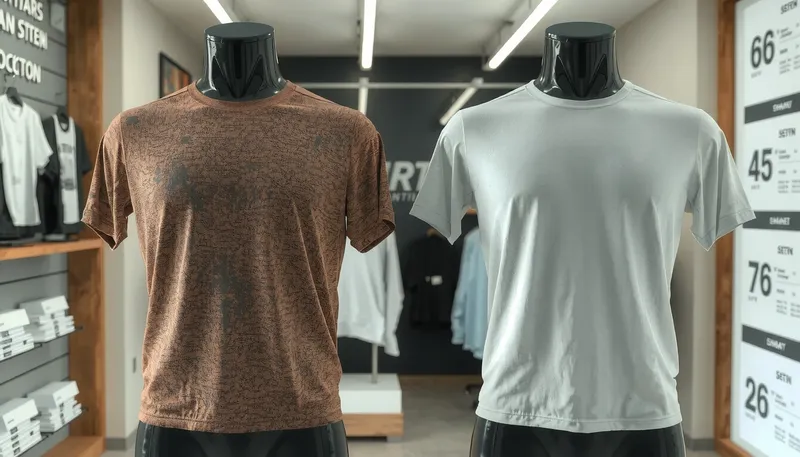
Why compression matters for injury prevention
High-compression fabrics (>25% spandex) reduce muscle oscillation—the involuntary, high-frequency vibrations triggered during impact landings. Uncontrolled oscillation increases the risk of soft-tissue microtrauma, a precursor to strains and overuse injuries. At the same time, the compressive fit enhances proprioceptive feedback, your body's ability to sense joint position and movement. Improved proprioception leads to faster neuromuscular response, helping you maintain correct form during rapid direction changes and reducing the likelihood of ankle rolls or knee valgus collapse.
Understanding Fabric Technology: Key Materials and Blends for HIIT
HIIT fabrics are engineered by blending a durable base fiber (nylon or polyester) with elastane to achieve a target balance of strength, stretch, and hand-feel. The denier of nylon and the percentage of spandex are the two most critical variables controlling compression and durability.
Nylon (especially 20D Nylon)
Nylon is celebrated for its high durability, wear resistance, and smooth, soft feel against the skin. Finer fibers, measured in denier, create lighter fabrics. A 20D Nylon is very fine, resulting in a lightweight, luxury material that feels premium yet remains incredibly strong.
Spandex (Elastane)
Spandex is the engine of stretch and compression. The percentage of spandex in a blend directly controls its performance. A fabric with less than 20% spandex offers a comfortable stretch. Anything over 25% is classified as high-compression, intended for maximum support.
The Power of the Blend
The magic is in the ratio. A 75% Nylon / 25% Spandex blend offers a great balance of support and comfort. A fabric engineered with a 34% spandex core is built for maximum, locked-in support. Fabric weight, measured in grams per square meter (gsm), also counts. A 160gsm weight is light enough for intense activity but substantial enough to provide coverage and support.
Finishing and Treatments
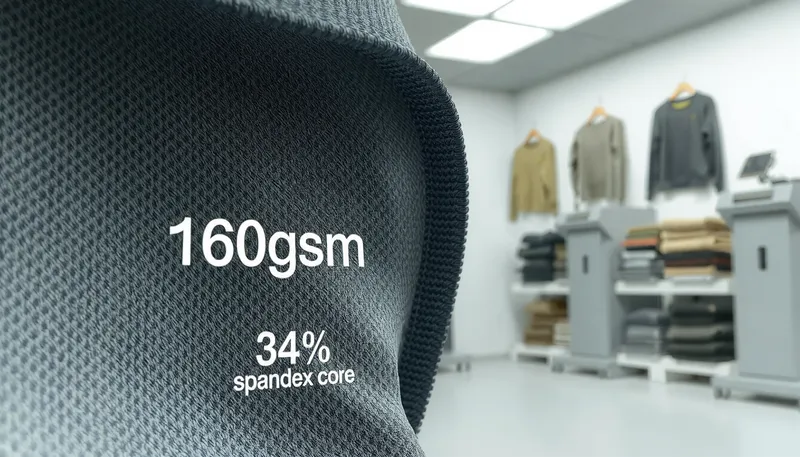
Finishing techniques can augment a fabric's appearance and feel without compromising performance. For example, a quality Acid Print process on nylon creates bright, long-lasting patterns. These stretch with the fabric and will not fade after heavy sweat and frequent washing.
3 Independent Lab Tests: SGS/ISO Standards for Pilling, Shrinkage, and Squat-Proof Integrity
Based on our Forall Lab QA protocols, true HIIT fabrics must pass three independent tests: ISO 6330 for size stability (shrinkage), ISO 12945-2 for pilling resistance (Martindale friction), and biaxial stretch testing to verify squat-proof opacity under maximum tension.
- Size Stability Test: This test ensures a garment won't shrink in the wash or stretch out of shape with wear. It's the key technical solution to preventing
bagging kneesand waistbands that sag over time. - Pilling Resistance Test(ISO 12945-2): This test simulates friction to see whether a fabric will develop small, ugly balls of fiber (pills). A high rating here indicates your leggings will stay smooth even after many workouts.
Squat-ProofTest(AATCC TM137): This is more than just being thick enough to see through. A trulysquat-prooffabric keeps its color and structure during deep bending. It will not "grin"—a term for when the white base of a printed fabric shows through when stretched.
Good manufacturers will often provide test reports from authorities like SGS. They may state their compliance with ISO standards as proof of quality.
Clear Limitations: When High-Compression Fabric is NOT Recommended
High-compression fabrics (>25% spandex) are not recommended for low-intensity, high-mobility practices (e.g., restorative yoga), ultra-hot environments where maximum airflow is prioritized over muscle lockdown, or general loungewear where constant physical pressure causes sensory discomfort.
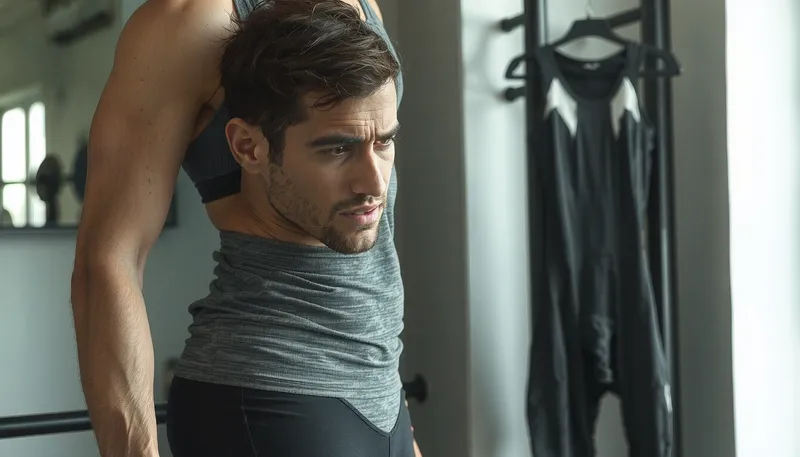
- Low-Intensity Yoga & Pilates: These practices call for deep, free breathing and an extreme range of motion. Softer, less compressive fabrics are often more suitable.
- Hot Environments (e.g., Hot Yoga): Although moisture-wicking is vital, some may prefer ultra-lightweight or mesh-paneled fabrics over the denser knit of a high-compression material to maximize airflow.
- Sensitive Skin or Sensory Conditions: For some individuals, the constant pressure of high-compression gear can feel irritating or uncomfortable during long periods of wear.
- Pure Loungewear: When you relax, comfort is the only goal. The muscle support of compression is unnecessary and can feel tight.
How to Choose Your Perfect HIIT Fabric: A Step-by-Step Guide
Choosing the perfect HIIT fabric is a systematic process. It involves checking your workout's intensity, reading the fabric composition label for key materials, doing a physical "hand-feel" and stretch test, and verifying the fit for your specific, high-impact movements.
-
- Identify your HIIT type. High-impact (jumps/sprints) vs. agility (drills/mobility).
-
- Check the care label. Note the fabric composition and exact spandex percentage.
-
- Perform the snap-back test. Stretch for 5 seconds—fabric must instantly rebound.
-
- Conduct a movement test. Deep squat for opacity, high knees for waistband stay.
Quick Decision Matrix: Find Your HIIT Fabric Match
- For High-Impact (Box Jumps, Sprints):
- Choose: High-Compression Fabric (25-34% Spandex).
- Why: Locks down muscles to reduce oscillation and potential soft-tissue damage. Look for
34% spandexcores in fabrics like Air-Sculpt 34™ forzero-bounce support.
- For Agility & Mobility (Lateral Drills, Hurdles):
- Choose: Medium-Compression Fabric (15-25% Spandex).
- Why: Offers a balance of proprioceptive feedback and full, unrestricted range of motion. A 75% Nylon / 25% Spandex blend is ideal here.
- For Hot Environments or Low-Intensity Days:
- Choose: Comfort-First Fabric with Mesh Panels.
- Why: Maximizes breathability. Prioritize ultra-lightweight knits (under
140gsm) over dense compression, which can inhibit airflow and lead to overheating.
B2B Focus: Maximizing ROI with Advanced HIIT Fabrics
Fabric ROI (Return on Investment) for clothing brands measures how a material's upfront cost is offset by higher customer satisfaction, reduced product return rates, and improved manufacturing efficiency. A premium fabric builds a positive brand image and decreases long-term operational costs.
Investing in a superior fabric for HIIT workouts is not a cost, but a strategic investment. Premium materials lead to fewer product returns from issues like pilling, loss of shape, or see-through fabric. For instance, a stable air-layer fabric is great for sports bras as it can withstand high-temperature 200°C molding for bra cups without warping. A material like Air-Sculpt 34™, with its powerful 34% spandex core for zero-bounce support, offers this capability. Its GRS TE-00106694 certification also indicates a commitment to sustainability, justifying a premium brand position.
Yield & ROI Calculator: Consider a standard legging pattern. A cheap, unstable fabric might have a cutting yield of 85% due to defects and warping. A premium, stable fabric can increase that yield to 95%. On a 10,000-meter order, that's an extra 1,000 meters of usable fabric. This efficiency gain, combined with a lower product return rate, directly shows how investing in superior material saves significant money for garment factories.
FAQ: Your Top Questions on HIIT Workout Fabrics
Is 100% polyester good for HIIT?
No, 100% polyester is not good for HIIT. It fails the critical test of 4-way stretch and recovery. While it wicks moisture, it cannot provide the flexibility (15%+ spandex) necessary for dynamic movements, leading to restricted motion and potential fabric failure under high stress.
Can I wear cotton for HIIT workouts?
No, cotton is not recommended for HIIT. It absorbs moisture, becomes heavy, and causes chafing, leading to performance loss.
How much compression do I need in a fabric for HIIT workouts?
Match compression to your HIIT intensity. For jumping/sprinting, select 25-34% spandex for maximum support. For agility drills, 15-25% spandex provides the best balance. For light activity or hot environments, prioritize breathable fabrics with <15% spandex.
What does "pilling" mean and how do I avoid it?
Pilling is when fibers on the surface of a fabric break and tangle into tiny balls, often due to friction. High-quality nylon blends are generally more resistant to pilling than polyester. To avoid it, choose smooth, tightly woven fabrics and wash your gear inside-out on a gentle cycle.
Does the color of the fabric matter for HIIT?
Functionally, no. However, ensure the fabric is squat-proof, especially in lighter colors, meaning it remains opaque when stretched. Also, look for high-quality dyeing processes like Acid Print on nylon, which ensures the color won't fade or bleed from intense sweat and frequent washing.
Written by Wenruo
Textile Engineer, Forall Lab