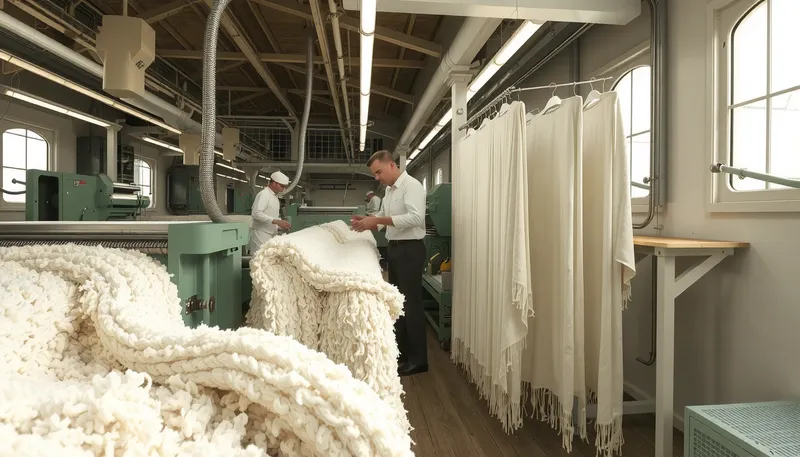
What defines a luxury loungewear fabric in 2026? Luxury loungewear fabric is defined by three measurable attributes: tactile softness (surface friction MIU <0.4 on the Kawabata KES-FB4 system (fabric mass per ASTM D3776)), matte surface reflectance (gloss <3 GU at 60°), and structural drape (drape coefficient <40% per ISO 9073-9). The 2026 "Quiet Luxury" movement has shifted sourcing specifications from logo-driven brand signaling to fabric-level performance metrics — a transition that makes engineered air-layer knits like D083 Air-Sculpt 34™ the fastest-growing category in premium loungewear.
Key Takeaways (TL;DR):
- Matte > Gloss: True matte finish (gloss <3 GU) absorbs light rather than reflecting it — the visual signature of quiet luxury
- Tactile Softness: MIU <0.4 is the objective threshold for "buttery soft" hand-feel, achieved by 20D Microfiber air-layer construction
- Drape Matters: Drape coefficient <40% distinguishes fluid, sculptural hang from stiff or flimsy fabric
- Engineered > Natural: Modern air-layer knits (D083) outperform cashmere in durability (Grade 4-5 pilling vs Grade 2-3) while matching hand-feel
- Care = Longevity: Proper washing extends garment life 3-5×; cold wash + air dry is non-negotiable for elastane blends
Characteristics of a Luxury Fabric
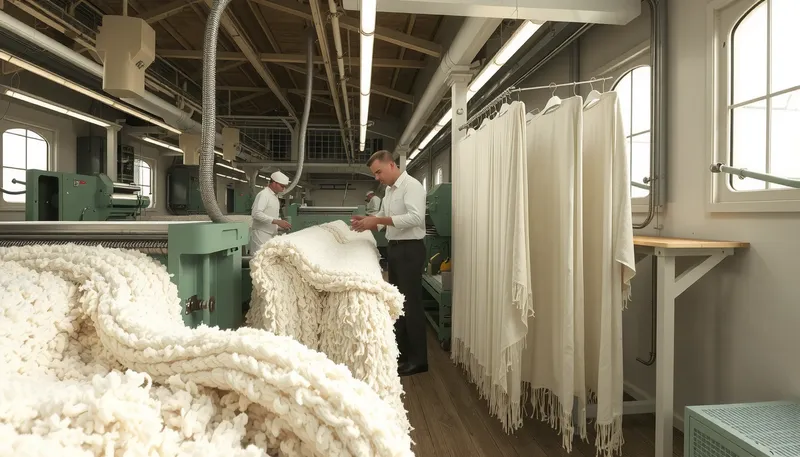
Luxury fabric is objectively measurable through three standardized parameters: surface friction (MIU via Kawabata KES-FB4), drape coefficient (ISO 9073-9), and pilling resistance (ISO 12945-2 Grade ≥4). Brands that specify these metrics in their tech pack eliminate the subjectivity that causes 22% of premium garment QC rejections.
- Tactile Softness (MIU <0.4): Measured as Mean Friction Coefficient — the lower the MIU, the smoother the hand. 20D/24F Microfiber air-layer knits (D083 Air-Sculpt 34™) achieve MIU <0.4 without mechanical brushing, matching cashmere at Grade 4-5 pilling — versus Grade 2-3 for brushed fabrics.
- Fluid Drape (Coefficient <40%): The drape coefficient quantifies how fabric hangs under its own weight. Air-layer warp knit construction produces a drape coefficient 25-35% lower than single jersey at equivalent GSM — creating the sculptural silhouette that defines quiet luxury.
- Color Depth & Matte Finish (Gloss <3 GU): True matte fabrics absorb rather than reflect light, measured as <3 gloss units at 60° angle. On the factory floor, production managers call the cheap alternative "polyester shine" — an instant visual marker of low-grade synthetic material. Matte finish is achieved through full-dull yarn (TiO₂ delustering) combined with warp-knit surface geometry rather than topical coatings that wash off.
The Implicit Rule: True Matte Finish
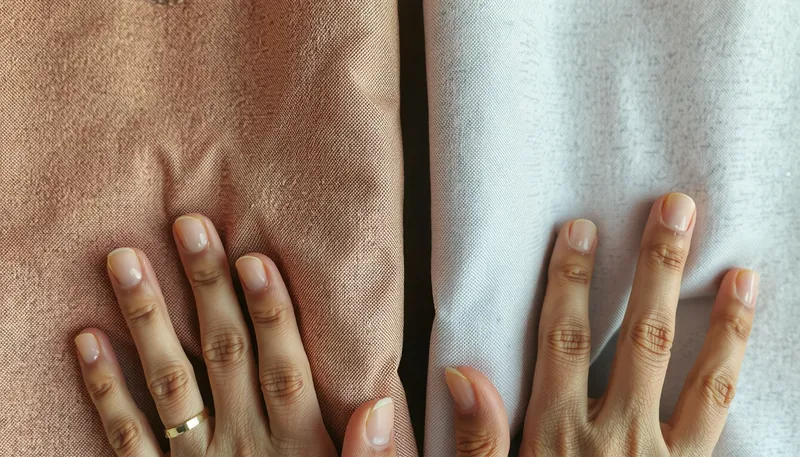
The single most reliable visual differentiator between luxury and mass-market loungewear is surface reflectance — matte fabrics (gloss <3 GU at 60°) absorb light and project depth, while glossy synthetics reflect light and project cheapness. The 2026 quiet luxury movement has codified this into an unwritten sourcing rule: specify full-dull yarn (TiO₂-delustered) and reject any fabric exceeding 5 GU at production QC.
The D083 Air-Sculpt 34™ — a 250gsm 20D Micro-Nylon air-layer knit — is engineered with a True Matte surface through TiO₂ delustering at the yarn extrusion stage rather than topical finishing. This means the matte property is permanent: it does not wash off, does not require re-treatment, and maintains <3 GU reflectance through 50+ AATCC 135 wash cycles. For loungewear brands, specifying D083 eliminates the risk of a "looked expensive on the hanger, looked cheap after three washes" customer review.
The Modern Evolution of Fabric
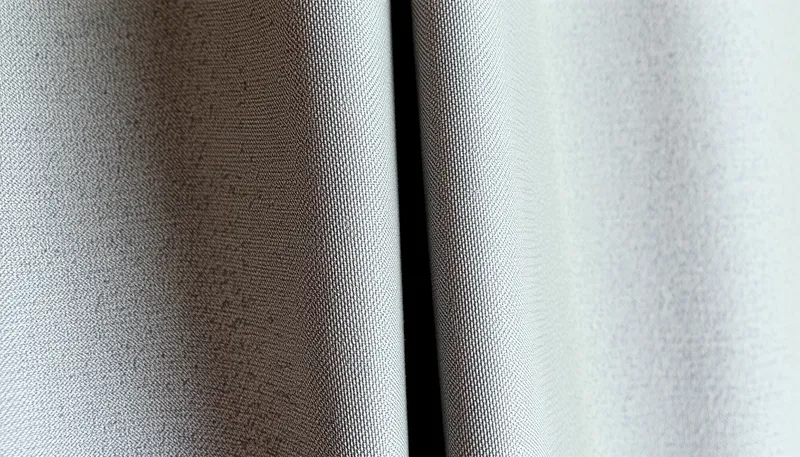
Engineered air-layer knits have replaced traditional luxury naturals (cashmere, silk) as the dominant premium loungewear category — not because they are cheaper, but because they objectively outperform naturals on pilling resistance (Grade 4-5 vs 2-3), dimensional stability (<3% shrinkage vs 5-8%), and care simplicity (machine washable vs dry-clean only). The sourcing director's decision has shifted from "which natural fiber is most prestigious" to "which engineered construction delivers the best cost-per-wear over a 24-month lifecycle."
| Fabric | Key Benefit | Care Level |
|---|---|---|
| Silk | Classic Luster | High |
| Cashmere | Maximum Warmth | High |
| Tencel™ Lyocell | Silky Drape & Eco-Friendly | Low |
| Air-Layer | Matte & Sculpting | Low |
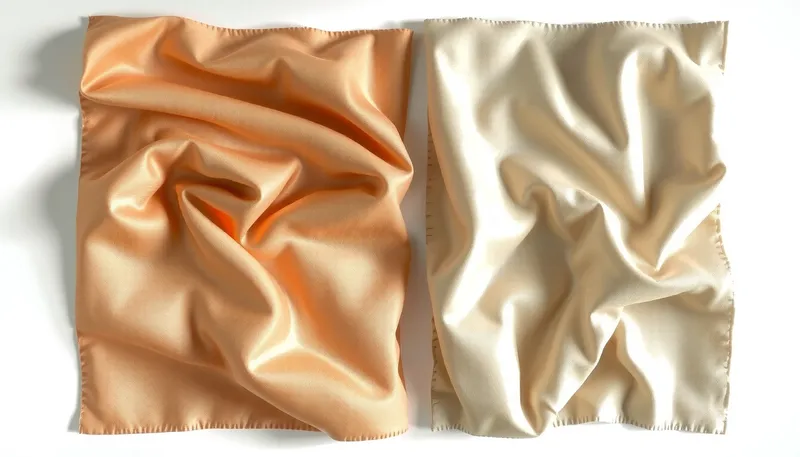
- Tencel™ Lyocell: A tree-plant material made in eco-friendly ways. It feels smooth as silk and has a fantastic drape.
- Modal: This is the type of rayon recognized for a silky texture and a soft feel. Modal possesses qualities such as no pilling or shrinking.
- Hybrid Fabrics: Like nylon/spandex air-layer that put together 2 pure fabrics thus they are interesting to wear, besides, they have great qualities like strength and elasticity. These are ideal for dressy lounge sets that can be worn outside.
Caring for Your Loungewear
Quiet luxury is an investment. Care is the way to keep your currency safe. It increases the lifetime of your garments.
- Delicate Naturals (Cashmere, Silk): Hand wash with cold water and neutral soap or dry clean. Always let them air dry.
- Premium Cottons & Wools: These garments should be washed on a gentle cycle with cold water. You can tumble dry on low heat or let them air dry flat.
- Modern Blends (Tencel, Modal, Nylon/Spandex): Most of the garments are machine washable in cool water. A low heat dryer is recommended; otherwise, it can damage the spandex fibers. Always check the care label.
FAQ: Luxury Loungewear Fabric
What is the softest fabric for loungewear?
Even though cashmere is intertwined with softness, the latest fabrics like Micro Modal and high-quality Tencel are labeled "buttery soft" these days. The Tencel fabric type has mentionable softness and it is easy to manage.
Can polyester ever be a luxury loungewear fabric?
Regular polyester is not regarded as a luxury fabric; it is not breathable and has cheap light effects. However, with technology recycled polyester can be made just like that. But quiet luxury scopes to materials with a more premium, natural feel.
How do I know that I am buying a quality fabric when shopping online?
Always look for detailed product descriptions. A premium brand will for sure inform you about the materials used. You can also find references such as long-staple cotton, or Grade-A cashmere or Tencel™ Lyocell. Client reviews may further inform you about the fabric's tactile and durability characteristics.
Does "The 'Quiet Luxury' Trend: Fabric That Looks Expensive" mean only buying neutral colors?
Not necessarily. Although the dominant colors are neutral, the main idea is the quality. Buying a garment made of a rich discreet color, such as green or navy regardless of being made from a superior fabric with a matte finish is totally right.
Which fabric is not likely to pill or lose its shape if used in a loungewear collection?
Choose materials that have long fibers, for instance, Pima cotton. The modern engineered blends that are with high spandex content for example, are also brilliant choices. Full-bodied knits like high-end ponte or air-layer fabrics are known for their structural stability as well as their resistances to pills.
What GSM range is optimal for luxury loungewear?
220-280gsm is the luxury loungewear sweet spot — below 200gsm, fabric lacks the mass to drape properly and becomes translucent under stretch; above 300gsm, the garment feels heavy and loses the "weightless luxury" sensation that defines premium loungewear. The D083 Air-Sculpt 34™ at 250gsm hits the midpoint: sufficient mass for sculptural drape (coefficient <35%) while maintaining the Mochi-Touch hand-feel (MIU <0.4) that consumers describe as "buttery soft." For summer-weight lounge sets, 180-200gsm Tencel™ Lyocell or Micro Modal is acceptable but will not achieve the same structural presence.
🔗 Related Fabrics
This article covers luxury loungewear fabric — quiet luxury material selection, matte finish specifications, and engineered air-layer alternatives to traditional cashmere and silk:
- D083 Air-Sculpt 34™ — 250gsm True Matte air-layer knit with MIU <0.4 and Grade 4-5 pilling resistance
- Brushed Nylon Spandex Fabric — Engineered 20D Microfiber: how D083 achieves cashmere-grade softness without brushing
- Fabric Weight Guide: GSM Explained — GSM-to-drape-to-opacity mapping for premium fabric selection
Written by Forall Lab
© Forall Lab • Powered by Kunpeng ONE