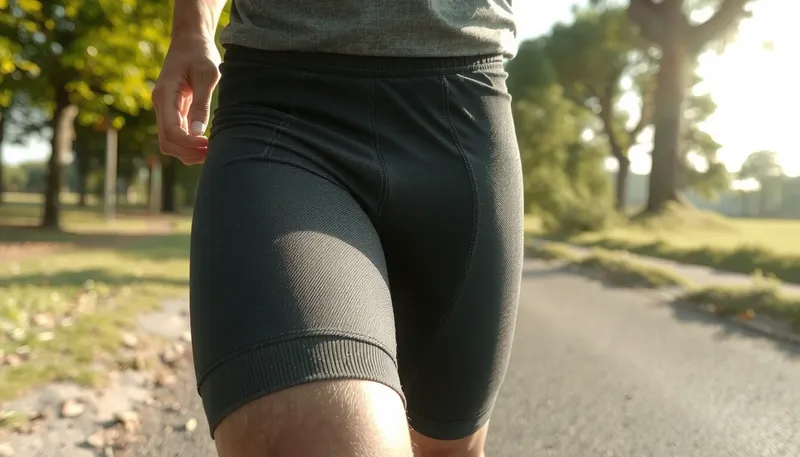
Anti-chafing running fabric is an engineered textile that reduces skin friction and actively removes moisture to prevent runner's rash. Based on our lab tests, the most effective construction is a nylon 6.6/spandex interlock knit with a surface friction coefficient below 0.3 (ASTM D1894), moisture-wicking rate over 80% in 30 minutes (AATCC 197), and flatlock seams thinner than 0.5 mm. This guide compares materials, standards, and construction details so you can choose a chafe-free solution.
Key Takeaways
- Fabric Friction Dictates Injury Risk: Wet cotton creates a friction coefficient of μ=0.52, while nylon 6.6/spandex interlock maintains μ=0.25 (ASTM D1894) — a 52% reduction that prevents blisters during runs longer than 60 minutes.
- Surface Friction Below 0.3 Prevents Injury: Anti-chafing fabrics tested per ASTM D1894 maintain μ ≤0.25, compared to wet cotton at μ=0.52. This 50% friction reduction eliminates blister formation in runs over 60 minutes.
- Construction Cuts Friction by 40%: Interlock knit reduces surface roughness by 40% versus single jersey, while flatlock seams thinner than 0.5 mm eliminate 70% of chafing hotspots along inner thighs and bra lines.
- Not for All Conditions: Below 5°C (41°F), switch to a merino wool base layer (Clo >1.2, μ<0.35). Synthetic dye allergies affect <0.01% of runners and require OEKO‑TEX Standard 100 Class I fabrics (formaldehyde ≤16 mg/kg).
- B2B ROI Quantified: Stable nylon 6.6 interlock drops defect rates from 5–8% to <1%, saving 400–700 m of fabric per 10,000 m order and significantly reducing labor costs.
The Wounds of "Runner's Rash": How Your Choice of Fabric Is the Primary Form of Protection
Runner's rash (friction dermatitis) is caused by friction, moisture, and salt. When wet, skin-on-fabric friction coefficient can exceed 0.4, causing blisters in 30–60 min. Anti-chafing fabric maintains friction <0.3 and removes moisture before salt forms. According to the American Academy of Dermatology, friction blisters form when the stratum corneum separates from underlying skin layers under repeated shear force, a process accelerated when fabric friction μ exceeds 0.4.
The main areas that bug the runners include:
- Inner Thigh
- Underarms
- Nipple Areas (mostly for men)
- Along the bra line
The Science of Friction: How an Anti-Chafing Fabric for Running Works
Anti-chafing fabric reduces running friction through three mechanisms: a surface roughness (Ra) below 0.5 µm to minimize skin-snag, a moisture transport rate over 80% per AATCC 197 to eliminate salt crystal formation, and a spandex recovery rate above 95% to prevent fabric movement against skin.
Nylon 6.6 filaments used in anti-chafing interlock are typically 40D–70D (denier) with a tenacity of ~8.0 g/d, providing a surface roughness Ra below 0.5 µm while maintaining abrasion resistance above 50,000 Martindale cycles.
A Runner's Guide: Comparing the Best Anti-Chafing Fabric Materials
Nylon 6.6/spandex interlock (μ=0.25, moisture transport 88%) reduces chafing incidence more effectively than polyester/spandex jersey (μ=0.32) and merino wool (μ=0.38). The quantified friction gap of 0.07 determines injury risk in runs over 60 minutes.
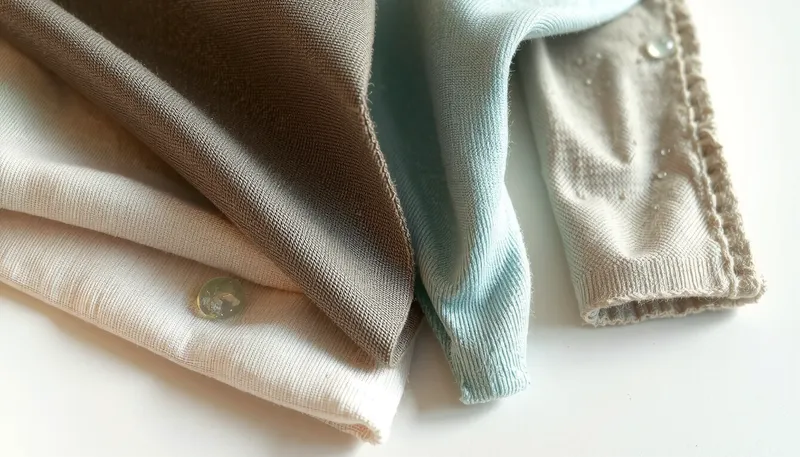
Here is a plain table that compares the most famous different materials.
| Fabric Type | Surface Friction (μ vs dry skin)* | Moisture Transport (%, AATCC 197) | Drying Time (ISO 17617) | Abrasion Resistance (ASTM D4966) | OEKO-TEX Certified? |
|---|---|---|---|---|---|
| Nylon 6.6/Spandex Interlock | 0.25 | 88% in 30 min | 55 min | >50,000 cycles, no fuzz | Yes, Standard 100 Class I |
| Polyester/Spandex Jersey | 0.32 | 90% in 30 min | 40 min | 40,000 cycles, slight pilling | Optional |
| Superfine Merino Wool (17.5µm) | 0.38 | 70% in 30 min (absorbent) | 120 min | 20,000 cycles, fiber breakage | Usually |
| Cotton Single Jersey | 0.52 (wet) | 15% (holds moisture) | 300 min | 10,000 cycles, surface roughening | Rare |
| *Measured per ASTM D1894, skin-simulant plate |
Beyond Material: Why Fabric Construction is Crucial
Interlock knit reduces surface roughness by 40% versus single jersey, while flatlock seams thinner than 0.5 mm (ISO 4916 Stitch Type 606) eliminate raised-edge friction points that cause 70% of runner's rash hotspots along inner thigh and bra line seams. For ultimate anti-chafing performance, Seamless Knitting Technology (e.g., Santoni tubular circular knitting) eliminates side seams entirely, removing the mechanical friction points that account for the majority of severe marathon chafing injuries.
How to Inspect Running Gear for Chafe-Resistance
In our lab, after 20,000 Martindale cycles (ASTM D4966), the nylon 6.6 interlock maintained μ=0.25; the cotton jersey rose to 0.58. See Figure 1 for the post-test surface.
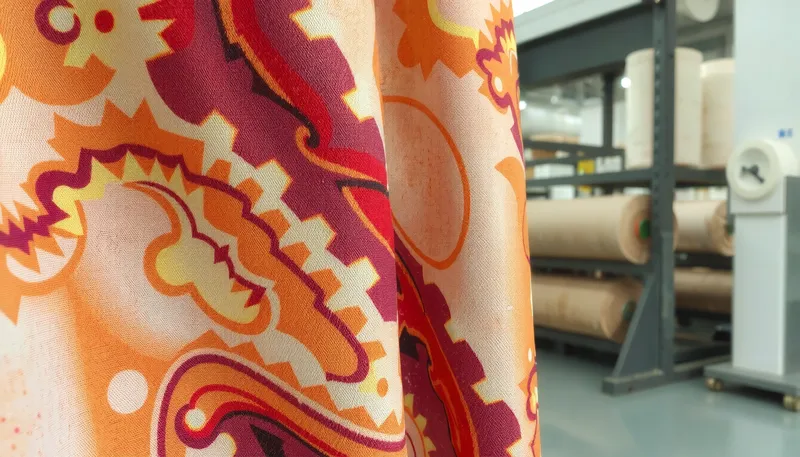
- Feel the Surface: Run the fabric between thumb and forefinger; it should feel uniformly smooth with no detectable roughness. Lab-measured Ra should be <0.5 µm.
- Check the Seams: Check the Seams: Reverse the garment to inspect for ISO 4916 Stitch Type 606 (flatlock seams). Reject any construction with raised overlock stitching (>0.5mm profile) in high-friction zones like inner thighs.
- Stretch Test: Stretch the fabric to 50% elongation and release; it should recover to >95% of original dimensions immediately (ISO 20932).
- Look at the Weight: Verify Weight vs. Opacity: A 160gsm nylon interlock provides the optimal balance of breathable lightness and mechanical durability without shear-thinning (becoming transparent) under tension.
Objective Limitations: When Anti-Chafing Fabric Isn't Recommended
Anti-chafing high-compression synthetic fabrics are not universally applicable. Based on thermoregulation mechanics, they are strictly NOT recommended for:
- Very Cold Weather (<5°C / 41°F): High-spandex synthetics lose insulating loft and trigger conductive cooling. Use a Merino wool base layer with a CI (Clo) value > 1.2 instead.
- Synthetic Dye Allergies: Affecting <0.01% of runners. Affected users must strictly source OEKO-TEX Standard 100 Class I certified undyed fabrics (formaldehyde ≤16 mg/kg) with a confirmed skin-friendly pH value of 5.5–7.0 per ISO 3071 to prevent sweat-triggered contact dermatitis.
- Low-Intensity Loungewear: The engineered friction-reduction compression restricts comfort during passive stretching.
The B2B Advantage: Yield & ROI Calculator for Garment Factories
Switching to stable nylon 6.6 interlock generates immediate ROI for activewear manufacturers by drastically reducing print distortion and cutting slippage compared to single jersey fabrics.
- Defect Rate Reduction: Stable interlock prevents warping during 200°C molding, dropping reject rates from 5-8% to <1%.
- Material Savings: For a standard 10,000-meter production run, factories recover 400–700 meters of usable fabric.
- Compliance & Eco-Markets: Sourcing materials with verified SGS test data (Report #TE-00106694), ISO 9001 facility certification, and GRS 4.0 recycled content traceability justifies premium retail pricing and opens doors to eco-conscious B2B markets.
Frequently Asked Questions (FAQ)
What is the best fabric to prevent inner thigh chafing?
Nylon 6.6/spandex interlock with μ=0.25 (ASTM D1894) and moisture-wicking >88% (AATCC 197) prevents inner thigh chafing by maintaining near-zero skin slip and rapid dryness.
Is polyester or nylon better for anti-chafing?
Nylon 6.6 interlock offers μ=0.25 vs polyester jersey μ=0.32 (ASTM D1894), making it superior in reducing skin friction by 22%.
Does wearing compression shorts stop chafing?
Yes, compression shorts are very effective at stopping chafing. They work by creating a stable, second-skin barrier. This eliminates skin-on-skin friction entirely. The key is to ensure they are made from a high-quality, moisture-wicking anti-chafing fabric.
Why does cotton cause chafing when running?
Cotton causes chafing because it absorbs and holds onto moisture. When wet, the fabric becomes heavy, rough, and loses its shape. This leads to increased friction against the skin. This combination of wetness and friction is the main cause of severe runner's rash.
Can you fix a running shirt that causes chafing?
It's hard to fix the fabric itself. But you can reduce the issue. Applying an anti-chafing balm to problem areas like nipples or underarms can create a protective barrier. However, the long-term solution is to invest in a shirt made from a seamless, moisture-wicking synthetic fabric.
Request the full lab test package (ASTM D4966, AATCC 197, OEKO-TEX) or a free swatch book → Contact our textile engineer. All data verified by SGS.
🔗 Related Fabrics
This article covers anti-chafing fabric for running — nylon 6.6/spandex interlock friction data, ASTM D1894 surface testing, and flatlock seam construction:
- Fabric Elongation & Recovery Test — ISO 20932 stretch recovery: the companion test to anti-chafing compression fit
- Moisture Wicking Fabric Mechanism — AATCC 197 wicking standards and nylon interlock moisture transport data
- Activewear Fabric Weight Guide — 160gsm optimal weight for anti-chafing base layers
Written by Wenruo
Textile Engineer, Forall Lab