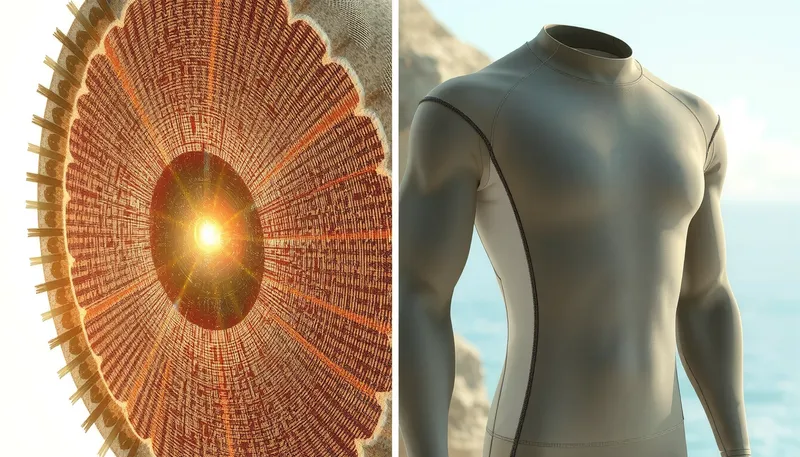
For pro surfers and athletic wear makers, good sun protection is not just an option but an absolute necessity. A rash guard with a UPF 50+ rating is the best you can get. But this rating is not just a sticker. It is a result of a smart fabric design.
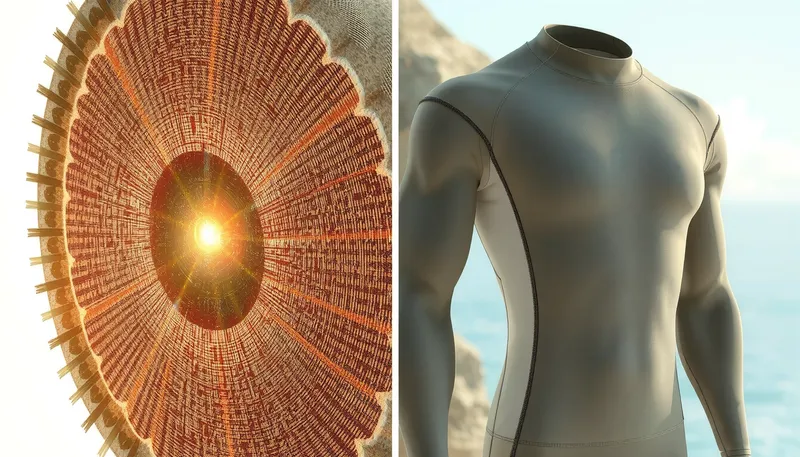
This article will talk about how sun protective clothing fabric actually functions. The discussion will cover two primary ways fabric can stop UV rays. The first one involves the fabric's build, and the second one involves special treatments. A UPF 50+ rating indicates the fabric blocks over 98% of UV rays. Experts say the best defense comes from tightly woven fabrics.
Key Points
- UPF 50+ is the top rating for sun-protective clothing fabric. It blocks over 98% of UV rays.
- Protection comes two ways: fabric structure (weave, fiber type) and chemical treatments (UV-absorbing dips).
- Built-in protection lasts forever. The fabric contains it. This makes it perfect for high-performance gear.
- Chemical treatments work well but can wear out. They can be made weaker by washing, chlorine, and sunlight.
- For pro rash guards, dense nylon/spandex knit is the most suitable. It gives long-lasting protection, stretch, and print stability.
How Fabrics Block UV Rays
To understand how sun protective clothing fabric works, ask one question. Is the protection built-in or added later? The answer is the key factor for how the fabric works over a long period. This matters most in harsh sun and saltwater. Let's discuss both primary ways.
Built-In UV Protection: How Structure Works
This method uses the fabric's build to stop UV rays. Think of a thick forest canopy shielding sunlight from reaching the ground. The protection is woven right into the material. It won't wash out or wear away.
Several things create this built-in shield:
- Fiber Type: Synthetic fibers like polyester and nylon do the job perfectly. Their basic makeup naturally blocks UV light. Many contain small, safe particles like titanium dioxide that scatter harmful rays.
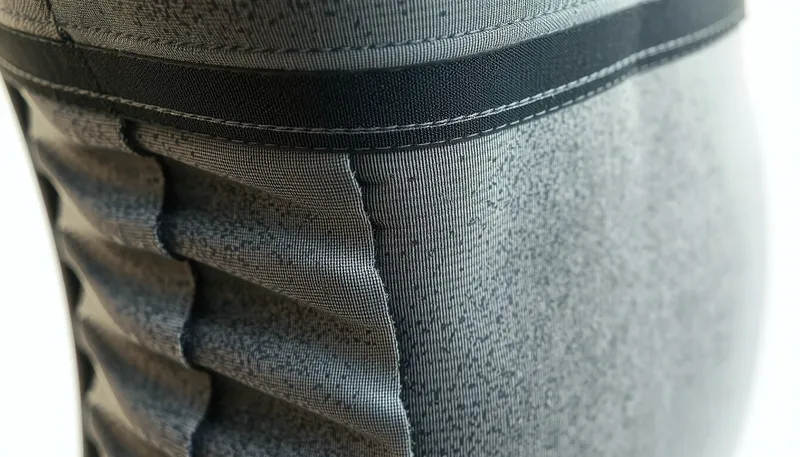
- Weave Tightness: This is a primary concern. A tighter knit means smaller holes for sunlight to pass through. A dense knit used for performance rash guards is far better than thin, transparent fabric.
- Fabric Weight: Heavier and thicker fabrics make a more effective barrier against UV rays.
- Color: Dark and bright colors absorb more UV rays than light or pale shades. They stop rays before they reach your skin.
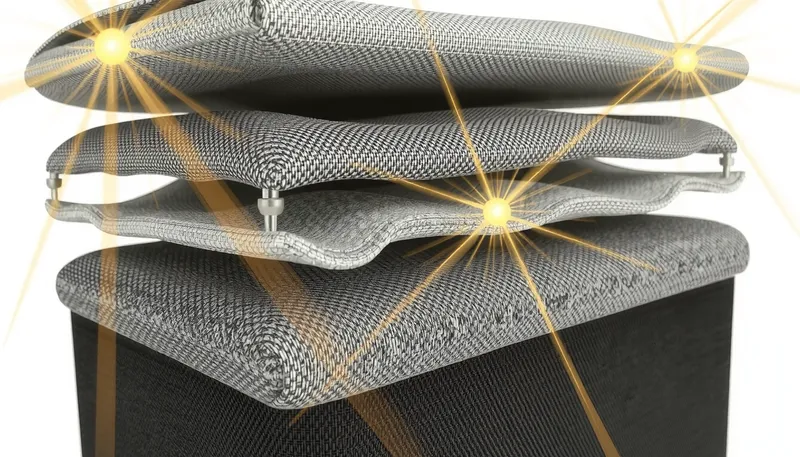
Chemical UV Protection: Adding UV Blockers to Fabric
This method treats fabric with special compounds. These clear chemicals absorb UVA and UVB rays. They transform the energy into a tiny, harmless amount of heat. It's like putting sunscreen right on the fabric itself.
This approach has benefits. It can help very light fabrics reach high UPF 50+ ratings. But it has drawbacks, too. The treatment can break down over time. Washing, pool chlorine, and constant sun can make it weaker. For some people with sensitive skin, it might cause mild irritation.
Side-by-Side: Built-In vs. Chemical Protection
Picking the right method is vital when making UPF 50+ rash guards. Here's a clear comparison to help you choose.
| Feature | Built-In Protection | Chemical Treatment |
|---|---|---|
| How It Works | Structure, fiber type, and density block/scatter UV. | Chemical finish absorbs UV and turns it to heat. |
| How Long It Lasts | Forever. Lasts as long as the garment. | Can wear out with washing, chlorine, and sun. |
| Performance When Wet | Might drop slightly if fabric stretches. | Can be greatly affected by wear and washing. |
| Best For | High-performance, long-lasting gear like pro rash guards. | Getting high UPF on fashion-focused, lightweight fabrics. |
| Things to Think About | Fabric choice is the most important step. | Need to check certifications on treatment life. |
Key Fabric Traits for Making UPF 50+ Rash Guards
Knowing the science is one thing, but using it is another. When finding sun protective clothing fabric for high-performance rash guards, focus on these key traits.
Material Mix: Why Nylon/Spandex Blends Win
Nylon and Spandex (also called Elastane) are the perfect pair for surf wear. Nylon is a summer superhero because it's tough, smooth, and naturally fights UV rays. It handles scrapes and rubbing well.
Spandex gives the needed four-way stretch. This lets a surfer move freely without the fabric pulling apart. When fabric stretches, its UPF can drop. So a stable blend is key.
Why Knit Structure and Stability Matter
A stable knit is crucial for performance. Flimsy fabrics stretch out when wet, creating bigger gaps between fibers. This not only lowers the UPF rating but also warps any printed designs on the garment.
For pro use where custom prints are common, a stable base is essential. A fabric like the Nylon Interlock | D036 is made for this. Its special "One-Open-One-Close" structure prevents the curling and warping that harms lower-quality lightweight fabrics. This creates a stable base for high-definition prints.
How Stretch and Recovery Matter
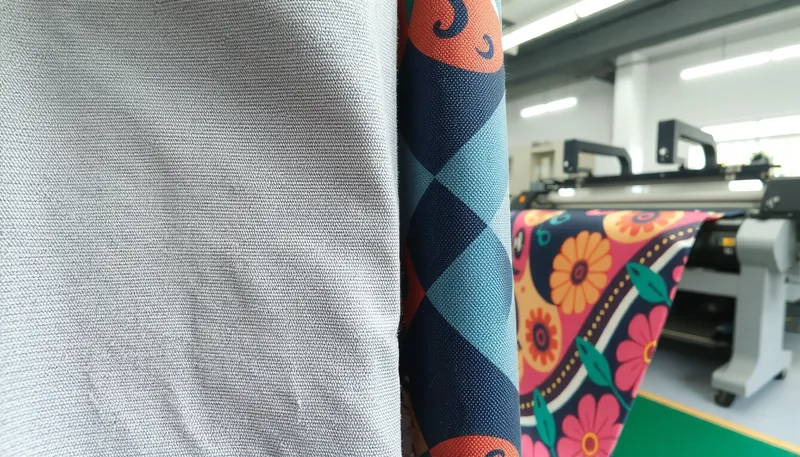
A great rash guard must snap back into shape. This is called recovery. A fabric with poor recovery will stay stretched out or "baggy." This ruins the fit, feels bad, and hurts sun protection.
Real-World Performance: What Surfers Actually Need
Lab numbers matter, but on-the-water performance is what counts. Here's what a pro surfer needs from their sun protective clothing fabric.
The "Second Skin" Feel vs. Getting Waterlogged
A high-quality rash guard feels like a second skin. It moves with the body and doesn't limit motion. A cheap fabric will soak up too much water, becoming heavy, saggy, and cold.
Fighting Wear: Surfboard Wax and Reefs
Surfers are hard on their gear. The fabric must resist pilling and snagging from surfboard wax contact. It also needs to handle scrapes against reefs or the board itself. Tough nylon faces work best for this.
Breathing and Drying Speed
Long sessions in the sun need fabric that breathes. Quick-dry features are also vital. They keep a surfer comfortable and prevent getting cold from a wet garment between sets.
FAQ: Your Questions on Sun Protective Clothing Fabric Answered
Does a fabric's UPF rating drop when it gets wet?
Yes, it can. Water can fill the gaps in a fabric's weave. This may let more UV light pass through. This effect is much smaller in dense, high-quality synthetic fabrics like those used in performance rash guards compared to a simple cotton shirt.
Can I rely on a standard white t-shirt for sun protection?
No. A typical white cotton t-shirt has a low UPF of about 5 to 7. When it gets wet, that protection can drop to as low as UPF 3. It doesn't give enough protection for long hours in the sun.
How is sun protective clothing fabric tested for its UPF rating?
It's tested in a lab using a special tool called a spectrophotometer. This machine measures exactly how much UVA and UVB radiation passes through the fabric. Tests are done on new, stretched, and washed fabric to make sure the rating is reliable over the garment's life.
Is there a difference between UPF and SPF?
Yes. UPF (Ultraviolet Protection Factor) is the rating for fabrics and clothing. SPF (Sun Protection Factor) is the rating for sunscreens. UPF measures protection against both UVA and UVB rays. SPF mainly measures UVB protection.
Do chemical UV finishes in clothing irritate sensitive skin?
For most people, no. The chemicals are bonded to the fibers and are generally safe. However, people with known chemical sensitivities may prefer clothing that gets its UPF rating from its built-in structure. This includes dense weave and specific fiber type.
Written by Forall Lab
© Forall Lab • Powered by Kunpeng ONE