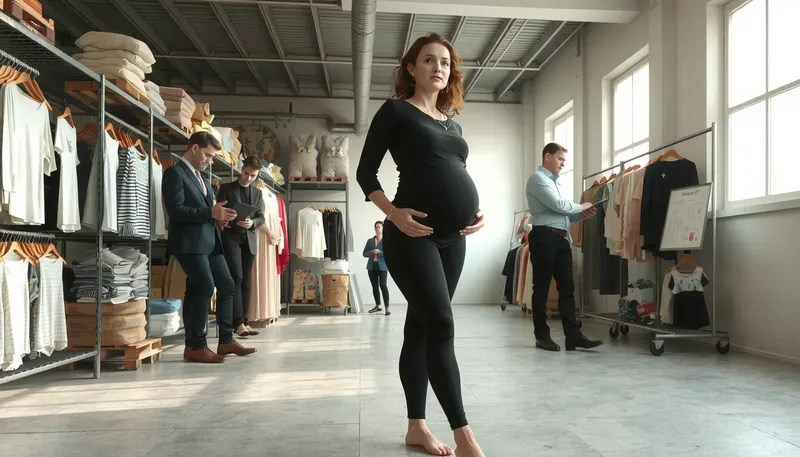
Maternity leggings wholesale requires adaptive-fit fabric engineering — D083 Air-Sculpt 34™ with 34% spandex provides graduated support from 20-30 mmHg without restricting the growing belly, OEKO-TEX Standard 100 Class I certified for direct skin contact safety. The wholesale opportunity is driven by a gap between generic activewear and purpose-built maternity support garments.
Key Takeaways (TL;DR):
- Fabric: D083 Air-Sculpt 34™ — 34% spandex, 20-30 mmHg graduated support, OEKO-TEX Class I
- Belly panel: Adaptive knit construction expands with pregnancy stages — no elastic band cutting into skin
- Wholesale MOQ: 300 kg/color — ~500 units per SKU
- Certification: OEKO-TEX Class I non-negotiable for maternity skin-contact garments
- Niche opportunity: Market gap between generic activewear leggings and medical-grade compression
Introduction: Tapping into the Booming Maternity Activewear Market
Main Points
- Concentrate on knee-length, low-compression leggings to outperform your rivals.
- Choose technology from yarns that have high spandex content (30% or more) and are soft to the touch.
- Ask suppliers about the crucial features such as belly panels, flat seams, and opaque fabric.
- Differentiate wholesale options, e.g., brand programs, multi-brand sellers.
- Go for leggings for pregnancy and postpartum to make them more appealing to your customers.
The Comfort Niche: Why High-Stretch, Low-Compression is Your Competitive Edge
Winning in the poky market of the day necessitates the understanding of women's real needs. They are after the comfort they feel without being tight. Current research reveals that pregnant women feel that they are the most important about health and comfort. This lets the brands a good opportunity to the companies who emphasize special materials. Your secret to success is high-stretch, low-compression leggings.
The Issue of Standard Sizing and Compression
A body of a pregnant woman changes from day to day. Simply increasing the size of normal sportswear does not work. Unwittingly, the majority of activewear brands often suck in like a muscle hard. Activewear that is tight-woven fabrics can feel awful for pregnant women. It can even hurt, as it presses on the growing belly, and affect blood circulation.
The Key: High-Stretch for Flexibility
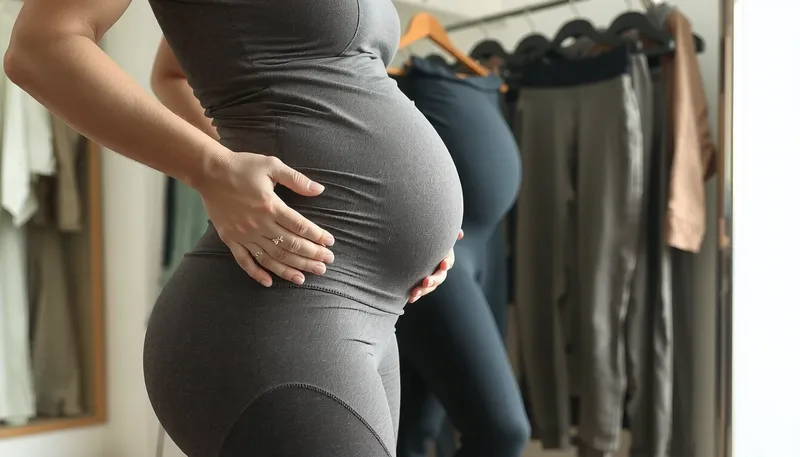
The best maternity leggings are the ones that adjust with every body change. For this reason, we make high-stretch fabrics. Try to find textiles that have a large quantity of spandex, generally 30% or more. Thanks to this elasticity, the leggings fit properly from the first month of pregnancy until the last. They can even be used after the baby comes. This way, you help your clients to save money and you also provide them with a product that lasts longer.
The Key Distinctive: Low-Compression for Complete Comfort
Maternity clothes should provide support but not overly so. Low-compression materials are supportive without constricting. This helps to reduce tension in the belly, support the lumbar region softly, and improve blood circulation. It was a major discomfort for pregnant women. This is the reason why they choose your brand for relaxation.
A Sourcing Guide: Key Criteria for Premium Wholesale Maternity Leggings
Turning the comfort idea that you have into a successful product is strategic sourcing. This checklist is the one you should use for vetting maternity leggings wholesale suppliers. Ensure your inventory has products that your customers would love to buy.
Fabric Technology: The Heart of the Product
maternity support leggings manufacturing plant cost
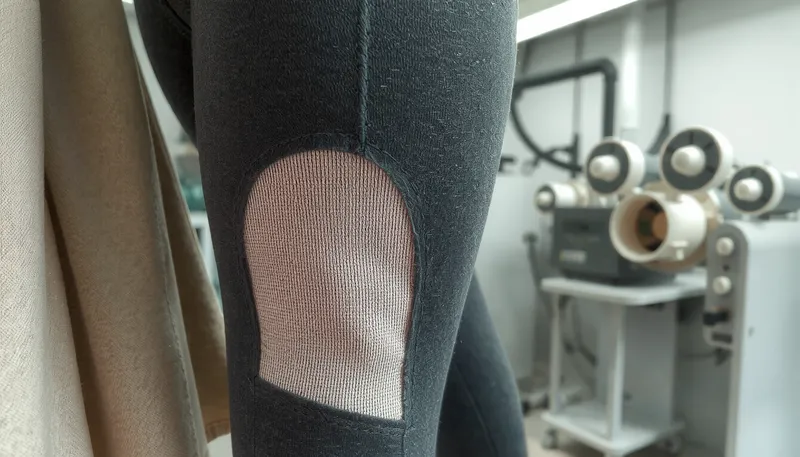
The fabric is the most important part of your product.
-
Material Mix: Focus on blends of modern synthetic materials. Nylon feels soft, lasts long, and weighs less. When mixed with a lot of spandex, it creates optimal comfort and four-way stretch.
-
Fabric Build: Look for modern fabric styles. "Air-layer" or "scuba" knits feel supportive but stay super soft and breathable. These materials feel premium without uncomfortable squeezing.
For example, new materials like Air-Sculpt 34™ | Anti-Yellowing Nylon Spandex Air-Layer Fabric (Molded Bra Cup Ready) show what's possible. This fabric feels "mochi-soft" with 34% spandex for superior stretch and recovery. It delivers the optimal balance for maternity wear at 170 GSM.
When you get a fabric sample, do more than stretch it. Feel how smooth it is. Does it feel buttery and soft, or plastic-like? Watch how it bounces back after stretching. This hands-on test is critical.
Essential Design & Construction Features
Beyond fabric, design details make a huge difference. Here's what to look for:
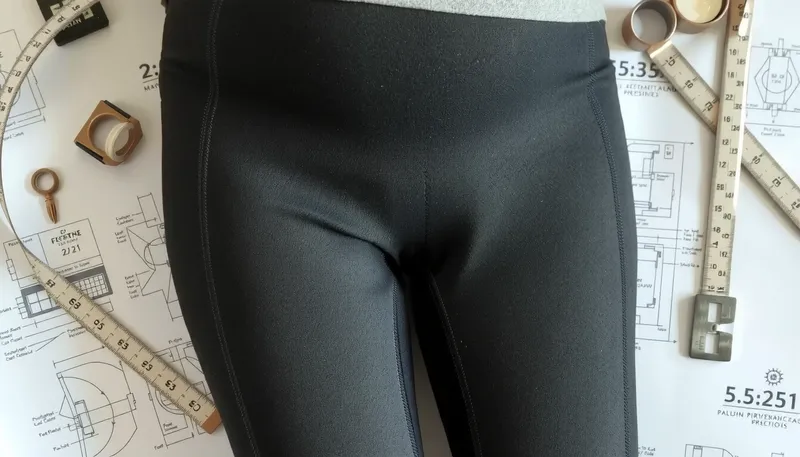
- Belly Panel: Suppliers should offer over-the-belly and under-the-belly styles. Over-the-belly panels give full coverage and gentle support. Under-the-belly styles work better for some women early in pregnancy or in hot weather.
- Seams: Choose seamless construction or flatlock stitching. These methods prevent rubbing and irritation on sensitive skin. This is a common problem during pregnancy.
- Gusset: A gusseted crotch (a diamond-shaped piece of fabric) is essential. It gives more freedom to move and makes leggings last longer.
- Opacity: Leggings should be "squat-proof." Always request samples to check for transparency. A good supplier will have no problem backing up this claim.
Finding Partners: Navigating the Wholesale Maternity Leggings Landscape
Finding the right supplier is the next step. There are a few common models in the maternity leggings wholesale space. Each has its own benefits. Understanding them helps you build your sourcing guide.
Brand-Direct Wholesale Programs
Working directly with an established brand gives you instant brand recognition. These suppliers often have high-quality products and proven marketing. But they may need higher minimum order quantities (MOQs) and stricter application processes. Established brand wholesale programs offer instant recognition but typically require higher MOQs and stricter application processes.
Multi-Brand Wholesale Distributors
Distributors carry products from multiple brands. This lets you build a varied collection with different styles and prices from one source. They often have lower MOQs. This works well for new businesses or boutiques testing the market with lower upfront investment.
FAQ: Sourcing Maternity Leggings Wholesale
Here are answers to common questions about sourcing maternity leggings.
What is a good starting MOQ for wholesale maternity leggings?
This varies widely. A direct manufacturer might ask for 100-500 units per style. A wholesale distributor may have minimums as low as a $100-$200 total order. Always ask each potential supplier about their specific MOQ requirements.
What's the key difference between regular leggings and maternity leggings?
The main difference is the belly panel, which is designed to grow with the bump. Premium maternity leggings also use high-stretch, low-compression fabrics for comfort. This is unlike many standard leggings that use high compression for athletic performance.
Can I sell maternity leggings post-pregnancy as well?
Yes. High-quality, adaptable leggings are perfect for the "fourth trimester" and beyond. The comfort and gentle support are greatly valued after birth. Marketing this versatility can be a powerful selling point for your brand.
How do I ensure the leggings I source are not see-through?
Always get samples and do a "squat test." Ask suppliers about fabric weight, often measured in GSM (grams per square meter). High-quality nylon and spandex blends with a dense knit are usually not see-through.
Are there specific certifications to look for in maternity fabrics?
Yes. Look for OEKO-TEX STANDARD 100 certification. This proves the fabric has been tested for harmful substances and is safe for close skin contact with expectant mothers.
What is the best fabric for maternity leggings?
D083 Air-Sculpt 34™ is engineered specifically for adaptive-fit applications — 34% spandex provides 20-30 mmHg graduated support that expands with pregnancy stages without losing compression. The 20D micro-nylon face delivers OEKO-TEX Class I certified skin safety. Unlike standard nylon/spandex blends that lose recovery after repeated stretch, D083's air-layer construction maintains ≥95% elastic recovery per ASTM D3107 after 50+ wash cycles — verified by SGS (ISO 17025 accredited) — critical for garments worn daily through 9 months of pregnancy.
What is the minimum order quantity for wholesale maternity leggings?
MOQ starts at 300 kg per color — approximately 500 units per SKU at 200 GSM. This allows for 2-3 belly panel design variations within a single production run. Custom prints and color-matching require lab dip approval (7-10 business days) before bulk production. Lead time is 6-8 weeks from lab dip approval to FOB shipment. For brands new to maternity activewear, starting with 2 colors and 1 belly panel design at 300 kg/color is the cost-optimized entry point.
🔗 Related Fabrics
- D083 Air-Sculpt 34™ — Product Page — 34% spandex, 170 GSM, OEKO-TEX Class I
- Maternity Yoga Pants Wholesale: D083 Adaptive Support — Maternity-specific D083 guide
Written by Forall Lab
© Forall Lab • Powered by Kunpeng ONE