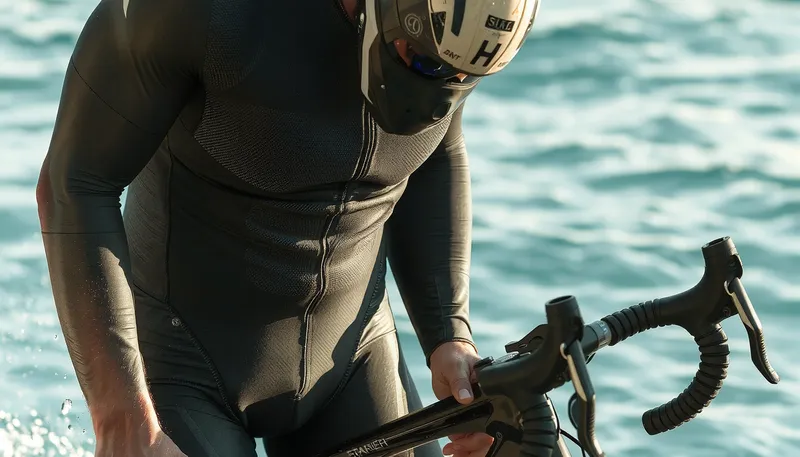
The swim exit is a moment of truth. You run to T1 with your heart pounding. But a cold, heavy feeling drags you down. It's your tri-suit, soaked with water. This "soggy fabric" isn't just uncomfortable. It's a speed killer that costs you energy and focus. The answer lies in advanced triathlon suit material. This guide shows how the right Hydrophobic Fabric helps you dry instantly on the bike. It turns a weak transition into a powerful advantage for your 2026 season.
Key Takeaways
- A wet, or "soggy," tri-suit adds weight and causes chafing. It forces your body to waste energy staying warm.
- Water-repelling fabrics are made to push water away, not soak it up. This keeps the suit light and comfortable.
- Advanced materials like D036 fabric shed water right away. The final drying happens from airflow in the first minutes on the bike.
- Choosing a suit with water-repelling fabric is a key upgrade. It gives you faster transitions and better race-day comfort.
The "Soggy Fabric" Problem: More Than Just Discomfort
A waterlogged suit is a serious problem. It works against you from the moment you leave the water until it finally dries. This can be well into the bike leg. Understanding these bad effects is the first step toward fixing them.
The Hidden Weight You're Carrying
Water is heavy. A standard tri-suit can soak up a lot of water. This adds extra weight you must carry onto the bike. It forces you to work harder. You waste precious watts just to overcome the weight of your own gear.
The Chafe and Drag Effect
Wet material creates friction. As you start to pedal, that soggy fabric rubs against your skin. This creates painful chafing and saddle sores. This damp material can also stick to your body. It disrupts the suit's smooth profile and creates unnecessary drag.
Losing the Battle for Body Temperature
As a triathlete, you know the feeling. The cool wind hits your wet chest. It sends a chill through your body. A soaked chamois feels like a cold sponge on the saddle. This forces your body to burn energy to stay warm. That is energy you should be using to push power through the pedals. You shouldn't be fighting the cold from your soggy triathlon suit material.

The Game-Changer: How Water-Repelling Fabric Delivers Fast Transitions
The difference between a soggy suit and a high-performance one comes down to science. The secret is in how the fabric works with water at a tiny level.
What is a Water-Repelling Fabric?
In simple terms, a water-repelling fabric is made to push water away. The term "hydrophobic" means "water-fearing." Instead of soaking up moisture like a sponge, these materials force water to bead up and roll right off the surface.
Traditional vs. Water-Repelling Materials
Many suits use common materials like polyester and elastane that have some quick-drying properties. However, true water-repelling fabrics are made specifically to shed water. This advanced triathlon suit material represents a major leap forward in performance technology.
| Feature | Standard Spandex/Nylon Blend | Advanced Water-Repelling Fabric |
|---|---|---|
| Water Interaction | Absorbs and holds water | Repels and sheds water |
| Weight When Wet | Heavy | Remains lightweight |
| Drying Time | Slow (relies on body heat) | Extremely fast (aids airflow) |
| Comfort on Bike | Clammy, cold, high chafe risk | Dry, comfortable, low chafe risk |
A Deep Dive: Why D036 Fabric Repels Water and Dries Fast
Not all water-repelling materials are created equal. For athletes who demand the absolute best performance, specific fabric technologies like D036 are leading the way in 2026.
Introducing D036: The End of the Soggy Tri-Suit
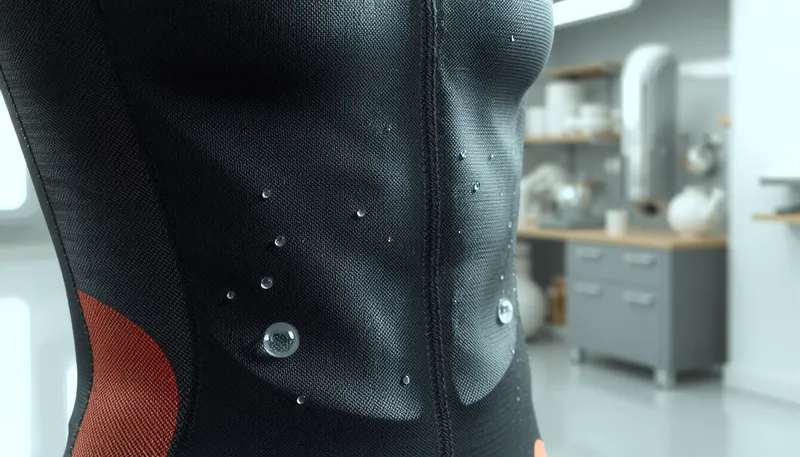
D036 is a top example of a next-generation Hydrophobic Fabric. It was created to solve one problem: the soggy tri-suit. It provides an immediate and clear advantage. It ensures you dry instantly on the bike.
The Science of "Instantly Dry"
The power of D036 is not a temporary chemical coating that washes away. Its water-repelling nature is built into the very structure of the fibers. The material creates an extremely high surface tension. This causes water droplets to form tight beads and roll off the suit the moment you stand up out of the water. There is no absorption, so the fabric never gets heavy.
From T1 to Full Speed: Drying on the Bike
Here is the key benefit for your race. D036 sheds most of the water as you run to your bike. The final, crucial step happens as soon as you start pedaling. The airflow across your body acts like a high-powered fan. It whisks away the few remaining droplets from the fabric's surface. This is what it means to dry instantly on the bike. The process is so fast that your suit feels virtually dry before you even settle into your smooth position. You stay warm, light, and comfortable. You're ready to focus on your power output.
Building the Perfect Suit: Key Features Beyond a Single Fabric
While an elite Hydrophobic Fabric is the foundation, a world-class triathlon suit is a complete system. Here are other features to look for that work together for maximum speed and comfort.
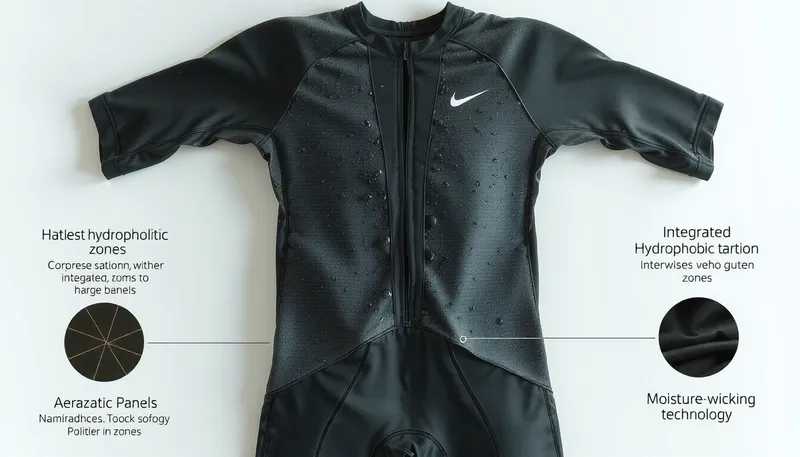
Graduated Compression
Panels with targeted compression help support your muscles. This can reduce vibration and delay the onset of fatigue. It keeps you stronger for longer on the bike and run.
Smooth Textures
Look for suits with textured sleeves or side panels. These special surfaces are designed to "trip" the air as it flows over your body. This reduces drag and saves you valuable watts.
Low-Profile, Quick-Drying Chamois
The pad in your shorts is critical. It must provide comfort on the bike but also be made of water-repelling materials. A pad that holds water will feel like a diaper and cause major chafing.
Bonded Seams and UV Protection
Modern suits often use bonded or "welded" seams instead of traditional stitching. These flat seams reduce chafing and improve smooth airflow. These are just some of the key features in high-performance triathlon suits that create a superior race experience.
Conclusion: Your Fastest T1 Starts with the Right Material
Stop letting soggy fabric slow you down. In 2026, the technology exists to eliminate this common race-day problem. A modern triathlon suit material with advanced water-repelling properties is the clear solution. Don't let your gear be your weak link. Choosing a suit that helps you dry instantly on the bike is one of the smartest upgrades you can make. It leads to a faster, more comfortable, and more successful race.
Frequently Asked Questions (FAQ)
Is a water-repelling triathlon suit worth the investment?
Absolutely. The gains in comfort, reduced chafing, and better body temperature control directly lead to better performance. The time saved and comfort gained provide a huge return. This is especially true in long-course racing.
How do I care for a suit with advanced water-repelling fabric like D036?
Always rinse it with fresh, cold water right after your race or training. Wash it by hand with a mild soap. Never use fabric softeners or a high-heat dryer. This can damage the technical fibers. Hang it to air dry.
Can I wear a water-repelling tri-suit under a wetsuit?
Yes, they are designed for exactly that. The smooth, water-repelling surface can even make your wetsuit easier to remove in T1. And while a wetsuit provides buoyancy and warmth in the swim, the advanced tri-suit underneath will be ready to dry you off the second it comes off.
Does the water-repelling effect of fabrics like D036 wear off over time?
Unlike temporary coatings that break down, the properties of advanced fabrics like D036 are part of the material itself. With proper care, its ability to repel water is highly durable. It will last for the life of the suit.
Besides drying fast, what are other benefits of a good triathlon suit material?
A top-tier triathlon suit material also offers muscle compression to fight fatigue. It has smooth surfaces to save you time on the bike. It provides excellent UV protection from the sun. It also has great breathability to keep you cool on the run.
Written by Forall Lab
© Forall Lab • Powered by Kunpeng ONE