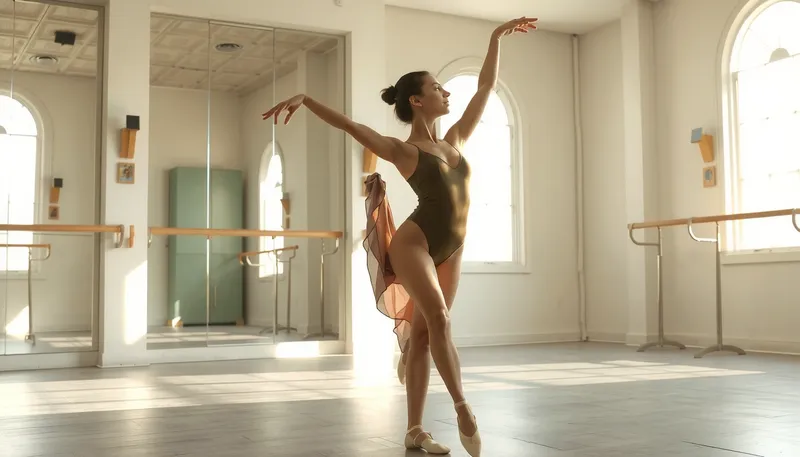
For a dancer, a leotard isn't just clothing; it's a key piece of equipment. It acts like a second skin that must perform perfectly. The right ballet leotard fabric combines high performance with visual art, creating clean lines that enhance the dancer's form. This guide for 2026 will go beyond the basics, exploring how your choice of material can achieve the perfect function and the "sculpted" look that professionals desire.
Key Takeaways
- The look of the fabric is just as important as its function in a professional ballet leotard fabric.
- Directors and dancers prefer matte, smooth, high-stretch materials that create a "sculpted" look without shiny distractions.
- The best performance for this look can be achieved with high-grade nylon/spandex blends, known by industry codes like D083.
- Specific fabrics suit specific needs. What works for a youth class may not be appropriate for a professional audition.
- Proper care, like washing with cold water and air drying, is essential for maintaining the fabric's stretch and shape.
The Basics: Essential Fabric Characteristics
Before focusing on aesthetics, any high-performance leotard fabric must meet fundamental needs. These are the "must-have" characteristics for any serious dancer.
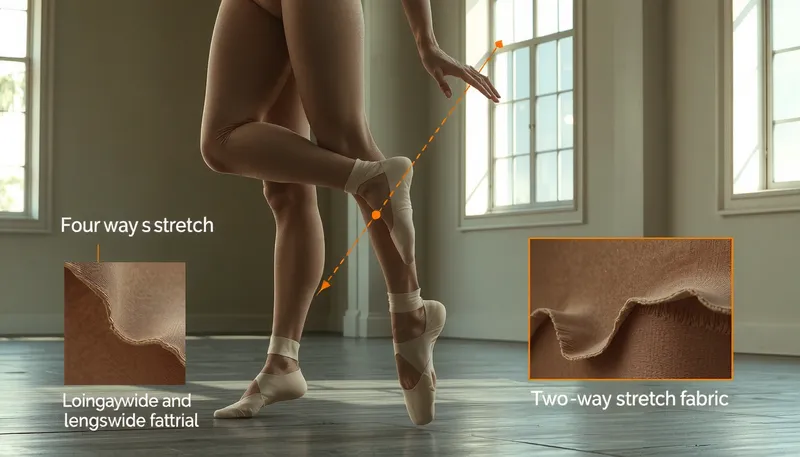
Four-Way Stretch for Motion
A fabric must stretch both lengthwise and crosswise. This is called a four-way stretch. It is necessary for the large movements in ballet, like high extensions and deep pliés. Two-way stretch only moves in one direction and will hold you back.
Moisture Management
Hard training sessions and rehearsals make you sweat. A good ballet leotard fabric pulls moisture away from the skin. This process, known as wicking, keeps you dry and comfortable. Fabrics that breathe also allow heat to escape.
Strength and Shape Retention
A professional leotard is washed often. The material must resist pilling, which are the tiny fuzz balls that can appear on the surface. It must also keep its shape and supportive feel. As noted by experts, the best fabrics for dancewear & costumes are those that incorporate a large amount of Spandex with nylon.
Beyond Function: The 'Sculpted' Look
For professionals, aesthetics carry the same weight as functionality. The goal is to create a clean, smooth line that showcases the dancer's technique and physique.
The Advantage of Matte Finish
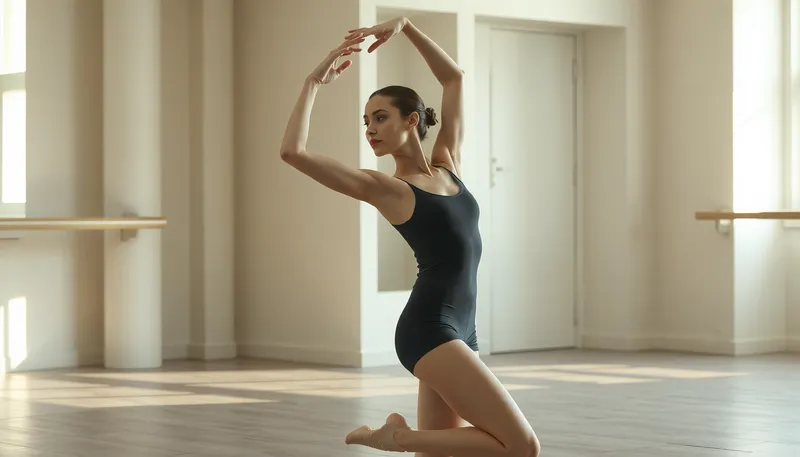
Professionals almost always prefer matte fabrics. Shiny materials reflect studio and stage lights, which causes glare. This can be very distracting. A matte ballet leotard fabric soaks up light, keeping the focus on the dancer's muscles and movements, not the fabric's shine.
Smoothness and Compression
A high-stretch, smooth fabric glides over the body, creating a sleek profile with no bumps or texture. The right amount of compression provides a gentle, supportive hug, which supports muscles and creates a clean line from the torso through the hips.
D083 Fabrics: The Gold Standard
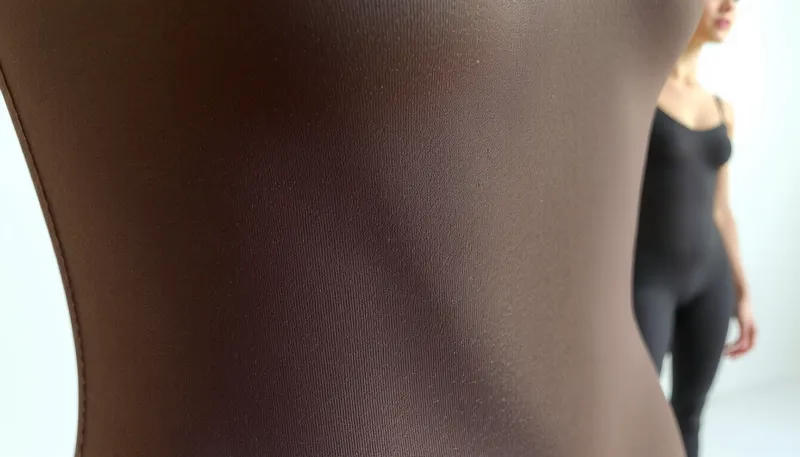
Dancers and designers know certain fabrics are expressly made for this ideal look. A prime example is a high-quality, matte nylon/spandex blend, often identified in the industry by codes like D083. This material is a matte, smooth, high-stretch fabric. It provides the exact "Sculpted" look dancers want. It feels supportive while allowing for total freedom of movement.
Differences in Popular Leotard Fabrics
Use this table to find the perfect ballet leotard fabric based on your requirements, whether for daily classes or a major audition.
| Fabric Type | Key Characteristics | Best For | Aesthetic Score (Sculpting) |
|---|---|---|---|
| Matte Nylon/Spandex (D083 type) | High stretch, compressive, smooth, matte finish. | Auditions, Professional Class, Performance | 5/5 |
| Cotton/Lycra | Soft, breathable, good for sensitive skin, less compressive. | Youth classes, low-intensity rehearsal. | 3/5 |
| Meryl®/Supplex® | Very soft, durable, moisture-wicking, cotton-like feel. | Daily intensive training, all levels. | 4/5 |
| Stretch Velvet | Plush texture, luxurious look, good stretch. | Performance costumes, character roles. | 4/5 (for specific looks) |
Making and Sewing Your Own
For those who sew, making a custom leotard can give you the perfect fit and fabric. Here are some fantastic tips from the sewing community.
- Pattern Selection: Always pick a sewing pattern designed for four-way stretch fabrics.
- Use the Right Tools: A ballpoint or stretch needle is a must; it slides between the fabric threads rather than piercing them. Use polyester or wooly nylon thread for strength and stretch.
- Test Your Stitches: Before sewing your leotard, test your stitch on a scrap piece of your chosen fabric. A narrow zig-zag or a triple stretch stitch works well.
- Quality Counts: As discussed among home sewer discussions, using quality ballet leotard fabric can result in a garment that fits better and is less see-through than many store-bought options.
FAQ: Your Fabric Questions Answered
Q1: Can I use 100% cotton for a ballet leotard?
A: It is not a wise choice. While comfortable, 100% cotton does not provide the four-way stretch or shape retention necessary for ballet. It also gets heavy and saggy after absorbing sweat. A cotton/spandex blend is a much better option for basic classwear.
Q2: What is the difference between Lycra, Spandex, and Elastane?
A: They are all names for the same thing. Spandex is the generic name for this stretchy synthetic fiber. Lycra is a popular brand name for spandex. Elastane is the term often used in Europe.
Q3: Why do some professional leotards feel so different from my beginner ones?
A: The difference is usually in the ballet leotard fabric. Professional leotards often use premium blends like Meryl or a high-grade nylon/spandex. These fabrics provide better softness, compression, and the matte, sculpted finish that pros prefer.
Q4: How do I care for my leotards to make the fabric last?
A: Our advice is to wash them in cold water on a gentle cycle and hang them to dry. Fabric softeners should be avoided, as they can damage the elastic fibers. Never put your leotard in a hot dryer, as the heat will ruin the stretch.
Q5: Is a thicker fabric better for a leotard?
A: Not necessarily. The key is fabric density, not thickness. A high-quality, dense fabric can be thin yet still be completely opaque. It will also provide excellent compression and support without feeling bulky.
Written by Wenruo
Textile Engineer, Forall Lab