Why White Activewear Is Both Loved and Hated
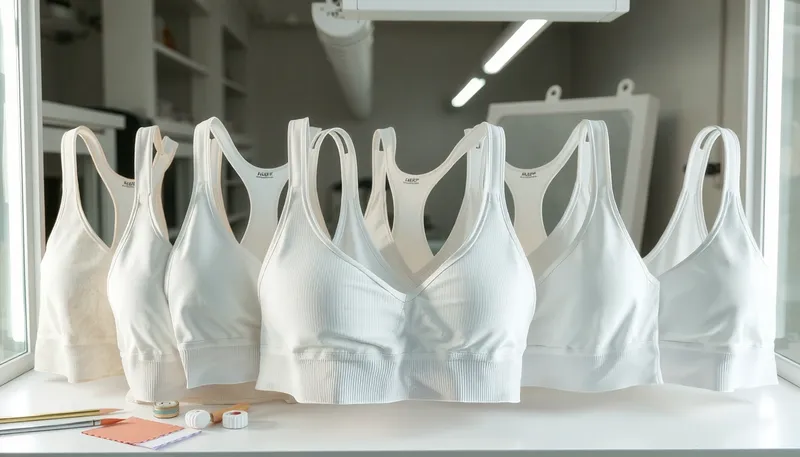
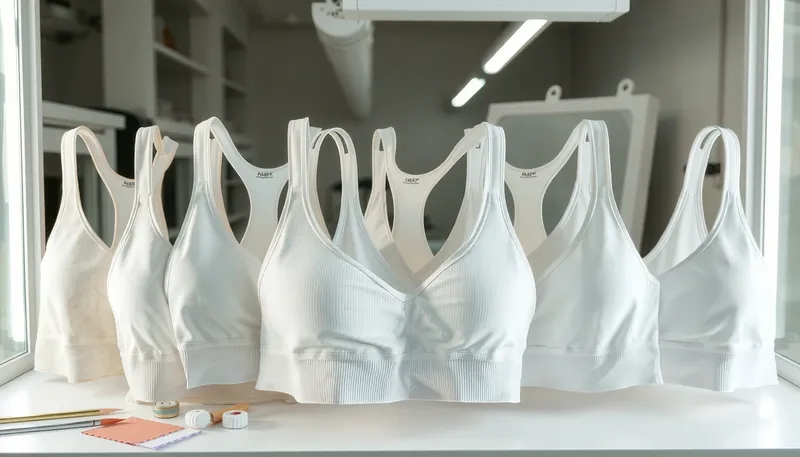
In 2026, the trend of white activewear will continue to reign supreme. The white sports bras give an impression of being tidy and conventional. They are compatible with almost all colors and prints. The popularity of these items by customers has also been a big factor in many brands' success. Incorporating white in products goes past the aesthetic issues. It is a nightmare for producers and quality controllers.
Dirt and stains from the factory are not the only sources of problems. A hidden chemical reaction causes brands to pay back millions and have wasted stock. This article will explain to you the real issue—phenolic yellowing. We are also going to indicate the perfect solution for your brand's white sports bra fabric sourcing.
Key Points
- The demand for white activewear is high, but production has many ways to fail quality-wise.
- The primary issue is phenolic yellowing. This is a color change due to a chemical reaction that may occur after the product is made, often in storage.
- This yellowing is caused by the interaction of chemicals in plastic packaging with air pollution on the fabric.
- Sports bras made using nylon and spandex blends are the most common. They are the easiest to achieve this reaction.
- The latest fabric technology provides a solution that guarantees no yellowing will occur. The risk is completely taken off for businesses.
The "Perfect White" Problem: A Maker's Worst Nightmare
Manufacturing a piece of clothing that is perfectly white feels like walking through a minefield. Issues can really emerge from any part of the process, from cutting all the way to the customer's closet. This is the reason we invented the term The "Perfect White" Challenge in Lingerie Manufacturing.
The Clear Enemies: Dirt and Stains
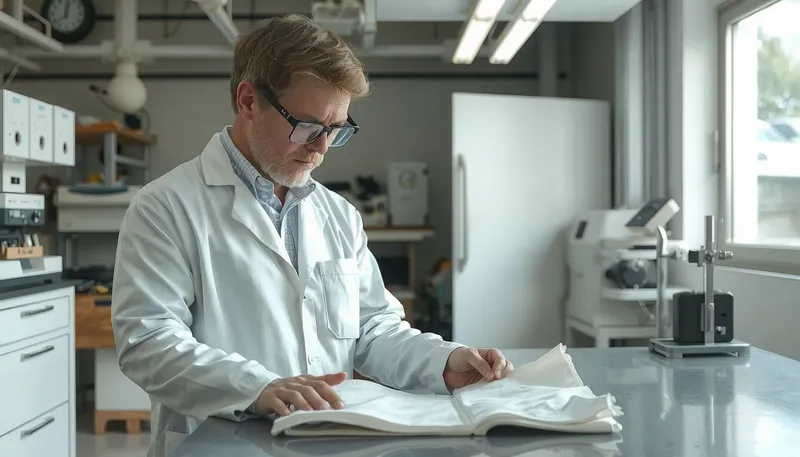
The initial fear stems from the filthy white fabric. All cutting, sewing, and packing processes, involve the material touching dust, machine oils, and hands. One smudge can make a piece get thrown out. This leads to reduced efficiency and increased costs.
The Hidden Enemy: Yellowing After Production
A much worse case would be yellowing that just pops out weeks or months later. A brand is happy with a bright, white sample but then different things happen. The big production is sent off and stocked. Then, the issues start to arise. Customers are complaining about their white bras getting yellow spots in their drawers. Or even worse, you find an entire batch of inventory that has been yellowed in the warehouse. This is usually found on the lines where they are folded. The outcome is high returns, loss of stock, and the negative impact on your brand's reputation.
Why White Sports Bras Get Hit the Hardest
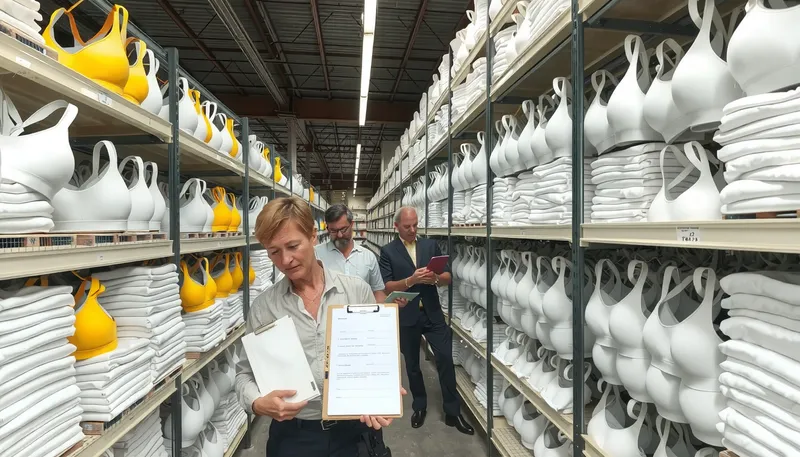
The type of fabric which is main for the activewear is the reason for all this. Synthetic fibers such as nylon and spandex are selected because they give the best performance. However, their chemical setup is the factor that causes the discoloration problem. Top brands are indeed sure that they deliver what is best for you in terms of both efficiency and design. That's why sportsmen go for white sports bras. The whole product fails when the color does.
Finding the Real Problem: How Phenolic Yellowing Works
That strange yellowing in your stock is not random. It has a specific name and a clear cause: it is phenolic yellowing. Grasping this fact is the first step in preventing it and, thus, securing your profits.
What is Phenolic Yellowing?
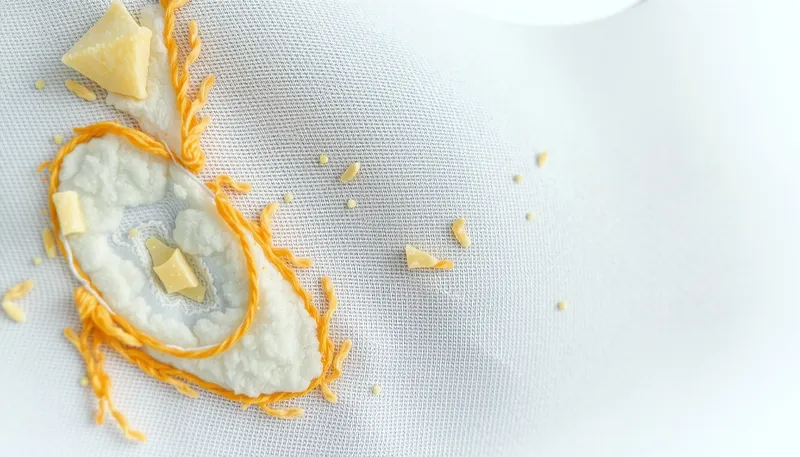
In layman's terms, phenolic yellowing is a chemical mark. It is not dirt or anything else. It occurs when a specific chemical reaction happens (phenolic) with another chemical that is free in the air. This reaction releases a yellow color that has an affinity for fabric fibers. It is very noticeable on white and light-colored textiles.
How the Problem Spreads
That yellowing process behaves in a predictable way. It is a mix of bad packaging, air pollution, and fabric chemistry.
- Where Phenols Come From: Most plastic bags have BHT, a chemical that is not the best in the environment. BHT is the reason why plastic bags last for so long but also moves from the bag to the clothing inside.
- What Triggers It: Nitrogen oxides (NOx) are common air pollutants. Transportation and gas-powered machines such as forklifts in warehouses are their main sources.
- The Chemical Reaction: When the clothing is in direct contact with BHT released by the plastic bag, and NOx is present in the air, a chemical reaction occurs. This is what causes the yellow stain.
- What You See: White sports bras made of cotton are a bit resistant to yellowing. After this process, a yellow tint appears on the fabrics, which is often more noticeable at the contact points and where the fabric has been folded.
Why Nylon and Spandex Blends Are Easy Targets
Nylon and spandex blends provide the ideal conditions for this reaction to take place. The fiber structure is perfect for it to attract the yellowing compounds very easily. This is the very reason why a white sports bra fabric made from typical nylon and spandex blends is highly prone to phenolic yellowing.
The Fix: Making Sports Bra Fabric That Stays White
The good thing is that you can definitely overcome the challenge of producing the purest white lingerie. The answer lies in choosing the right combination of fabrics, new technologies in textiles and it also includes better supplier management.
Picking the Right Fabric is Your Best Defense
Choosing the right base material is of utmost importance. Both polyester and nylon are high-performing materials for activewear. As a general guide to Best Fabric for Sports Bras, most brands go with nylon because it has a softer and smoother touch on the skin. Though regular nylon is often a yellowing candidate, new technology is a game-changer.
The Big Change: Anti-Yellowing Technology
Today's fabric technology provides a direct solution to this problem. Some fabric mills produce fabrics that are resistant to brown yellowing for sure. This is not a coating but it is mixed up with the properties of the material. New inventions brought the development of new fabrics that are resistant to this reaction. A good example of this is the Air-Sculpt 34™ | Anti-yellowing nylon spandex air-layer fabric (molded bra cup ready). It not only comes with a transparent anti-yellowing warranty but this material is made from a 20D micro-nylon/34% spandex blend. It is also very soft due to the "Mochi-Touch" feel. The most important quality though is the fact that it has a built-in mechanism against yellowing. With this, brands can manufacture and sell the white sports bras knowing that the colors will not change.
Beyond Fabric: Reducing Risk in Your Supply Chain
Even in the presence of good fabrics, best practices still count. You can cut the risk in the whole supply chain with the following activities:
- Request for BHT-Free Packaging: Use plastic bags that are BHT-free and contain no other phenolic chemicals.
- Control Warehouse Conditions: Ensure you have good ventilation in your storage area. Do not use gas-powered forklifts near your packed goods.
- Set Clear Quality Standards: Make a phenolic yellowing test part of your quality check process. If you apply a standardized test, you will get an unambiguous pass/fail result.
Common Questions About White Fabric Yellowing
1. What is phenolic yellowing?
A: It is a chemical color change mainly affecting textiles in white and light shades. It occurs when specific antioxidants (phenols), often from plastic packaging, react with atmospheric pollutants (like NOx) on the fabric surface, causing a yellow stain.
2. Can yellowing from phenolic reaction be washed out?
A: Often not. Unlike a traditional dirt stain, this is a chemical reaction that attaches to the fiber, particularly on man-made materials like nylon. While some mild cases may improve with particular treatments, it is generally a permanent condition and a reason for rejection.
3. Is polyester or nylon a better choice for white sports bras to avoid yellowing?
A: They both are a potential risk, but it is generally accepted that regular nylon is more likely to get phenolic yellowing due to its chemical structure. Nevertheless, the quality of fabric, the finish, and the anti-yellowing technology are significantly more important than the base fiber by itself.
4. What makes a fabric "anti-yellowing"?
A: An "anti-yellowing" fabric has received a special treatment with chemicals that prevent the spots on the fiber from reacting. Or, it is made of yarns that are inherently resistant to yellowing. Therefore, the yellowing substances can not adhere to the fabric, even in the presence of NOx and phenols.
5. How can my brand test for yellowing potential in a fabric?
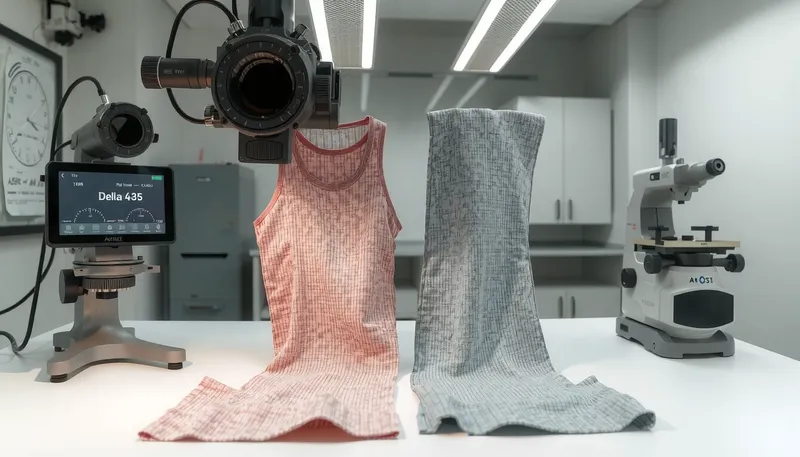
A: It is advisable that you ask your fabric supplier to provide data from a standardized "Phenolic Yellowing Test" (for instance, ISO 105-X18 or AATCC 163). This test simulates warehousing conditions and gives a rating of the fabric's resistance (1-5) with 5 being the best.
Written by Forall Lab
© Forall Lab • Powered by Kunpeng ONE