Are you familiar with sublimation printing on nylon? Did it break your heart? You have wasted so much time and money on fabrics. Initially, you wanted to put a colorful design on the fabric. Instead, you have a faded, or blurry, or washed-out print that looks almost impossible to read. It is indeed a frustrating moment, but it is not your fault. The culprit here is a simple chemical mismatch. Sublimation printing and nylon, they are simply irreconcilable. You will read about it in this 2026 guide. This guide is going to show you not only the reasons but also the one way to get durable, bright prints on nylon correctly.
Key Takeaways
- No Nylon Sublimation Is Possible: The presence of nylon as a chemical component makes it impossible for sublimation dye to bond correctly to it. The result is a temporary fading of the print.
- Workarounds Are Not the Answer: Polymer sprays, special coatings, and temperature modifications don't provide effective solutions. They often result in fabric damage.
- Acid Printing is the Answer: Acid dyes form a strong, permanent bond with nylon fibers, which allows for the production of vibrant and durable professional-quality prints.
- Fabric Choice is Important: A stable, high-quality fabric like D036 Nylon Interlock is essential in order to achieve acid printing with no distortion or the best results.
The Untold Fact: Why Sublimation and Nylon Are a Bad Combination
A lot of articles put forward the ideas of difficult ways for sublimation on nylon. The sad truth is that they actually are end of the road, indeed. If you really want to save time and money, you should first learn the reasons why this process is flawed from the very beginning.
A Quick Refresher about Sublimation Polyester
The sublimation printer is such a magical device. The solid sublimation ink converts to gas under high heat and pressure. The gas then enters the open pores of the polyester fibers as per the basics of sublimation printing. When the fabric cools down, the gas that has turned back into a solid is caught in between the shrinked polyester fibers. The ink has become part of the polyester. Because of this factor, sublimation is so successful with polyester fabrics.
The Chemical Mismatch: Where Nylon Goes Wrong
Let's be more specific. Nylon is a polyamide while polyester is a polyester. That simply outlines how two materials differ. They are constructed with different building blocks, that is, their molecules are not the same.
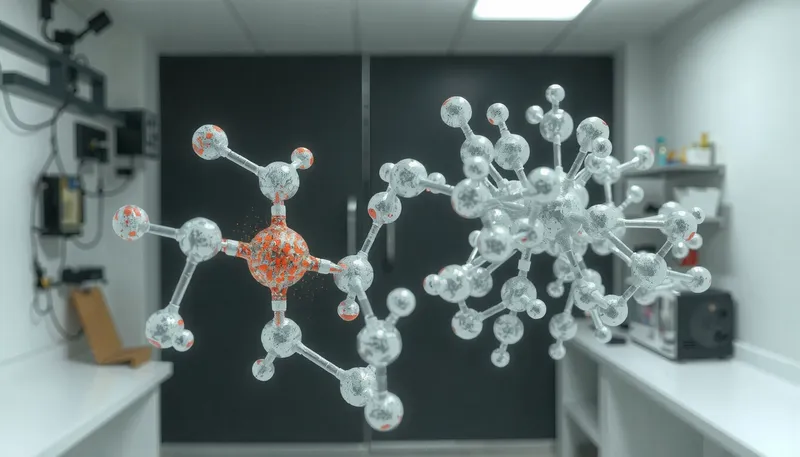
Polyester, unlike nylon, has open pores that are released around its fibers when heated. The sublimation dye gas is stuck next to the nylon fibers but cannot escape. Without a chemical "door" to enter, a permanent connection cannot be made.
The "Faded & Muddy" Result: What You're Seeing and Why
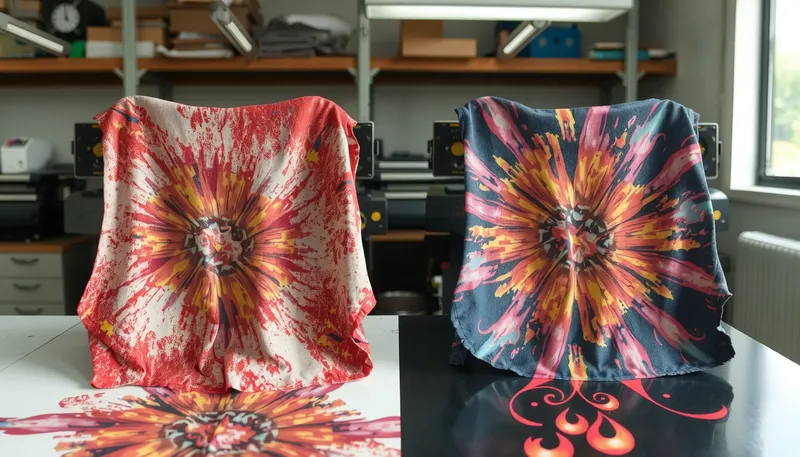
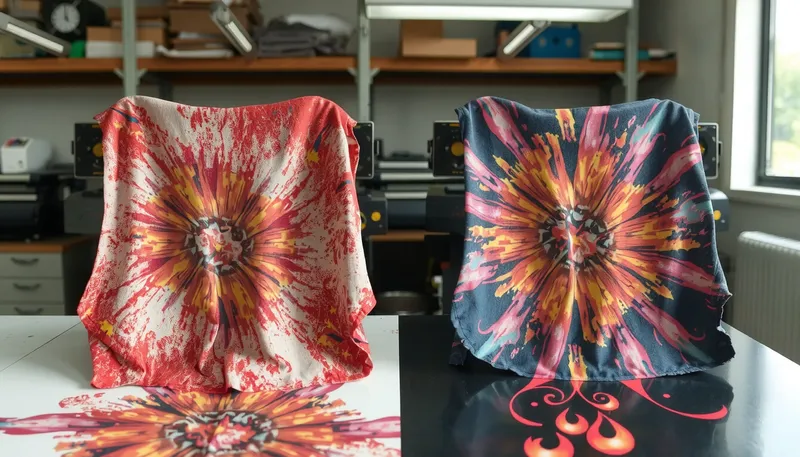
The reason for this is quite simple. You might have skipped over some important steps along the way. The dye indeed fails to enter the nylon fibers, and this is just what you observe. This is the reason that your prints so often appear dull and muddy at first instance.
Inadequate heating for sublimation can also cause fabric damage or even result in melting nylon. The effects start to show at around 400°F or 204°C. The final result is a restricted soft feel of the fabric and some disproportionate design. The main part, as per the information provided in The Challenge with Nylon, is that such colors that will be transferred will eventually have no endurance in the wash and thus will fade, crack or even disappear completely after just a couple of laundry cycles.
Discarding False Hopes: Why "Workarounds" Can Be A Cul-de-sac
Searching the internet, one can find a plethora of so-called "fixes" for the problem with printing sublimation on nylon. These techniques have only one objective to promise being a solution. But at the end of the day, they will only disappoint you and cause wastage of materials.
The Myth of Special Coatings
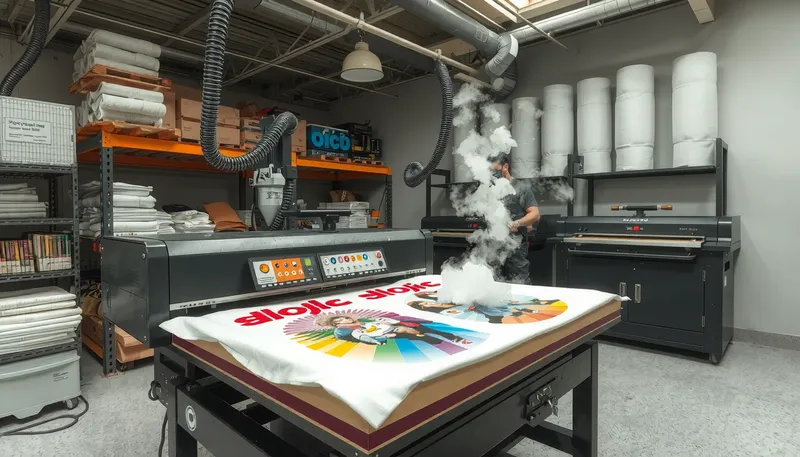
Certain products claim to create a layer on nylon that looks like polyester. You spray a polymer coating on the fabric before you press. But you know what? This coating is usually not even. Besides, it may crack, peel off, and give the fabric a stiff and plastic-like feel. The connection is weak and will not endure both washing and use.
The Temperature and Time Trap
One more common piece of advice is to decrease the heat or shorten the pressing time, which is advantageous because it keeps the nylon fabric from melting. But this solution is not only ineffective, it creates new problems, because lower temperatures lead to under-gassing the sublimation ink. The situation produces a print that is visibly more faded and is even weaker. It appears that there is no solution.
The Incontestable Conclusion
Sublimating nylon is not a path that leads the professional way. This is a guaranteed way of getting poor-quality products that are bound to fail. The result of such wrongdoings is dissatisfied customers, wastage of materials, and a damaged reputation. So it is either to change or keep on struggling.
The Professional Solution: Acid Printing, the Only One for Nylon
So, if sublimation is not working, what is the right approach? Acid printing on nylons is the only clear choice Acid printing is the industry-standard method of getting bright, long-lasting designs on nylon activewear, swam-wear, and other high-performance garments.
What is Acid Printing and Why is it Perfect for Nylon?
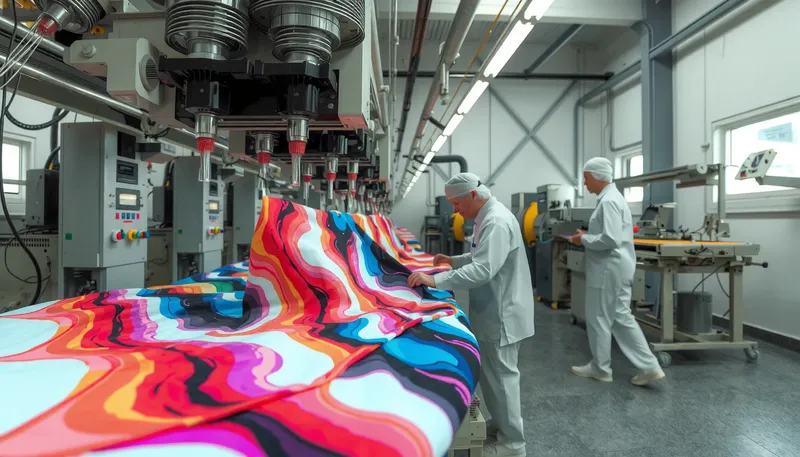
Actually, the very essence of it lies in its simplicity and effectiveness. Basically, Acid dyes carry a negative charge while Polyamide fibers like nylon carry a positive charge. The printing process, in this case, is that the two opposite charges, which are attracted to each other like magnets, form an ionic bond that is both very strong and permanent.
Acid dyes are bonded to polyamide fibers per se. Unline sublimation, acid printing is a true dyeing process that, of course, involves more than just a surface application. It guarantees an enduring shade of color that will not fade, crack, or wash away.
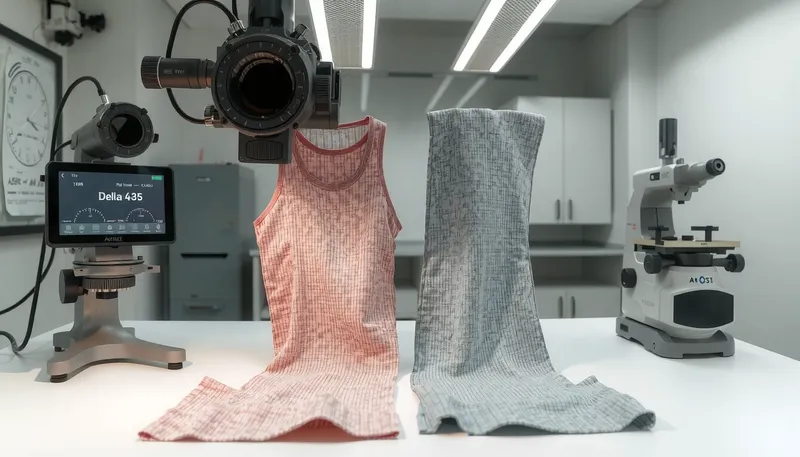
Comparing Sublimation with Acid Printing on Nylon: Clear Choice
The quality disparity is not negligible. It is the difference between night and day. In all professional contexts, acid printing is the only way to go for nylon.
| Feature | Sublimation on Nylon | Acid Printing on Nylon |
|---|---|---|
| Color Vibrancy | Dull, Faded, Muddy | Deep, Saturated, Brilliant |
| Durability | Poor; Fades/Washes Out | Excellent; Permanent Bond |
| Fabric Integrity | Risk of Melting/Distortion | No Damage; Preserves Feel |
| Professional Viability | Not Recommended | Industry Standard |
Choosing the Right "Canvas" to Print
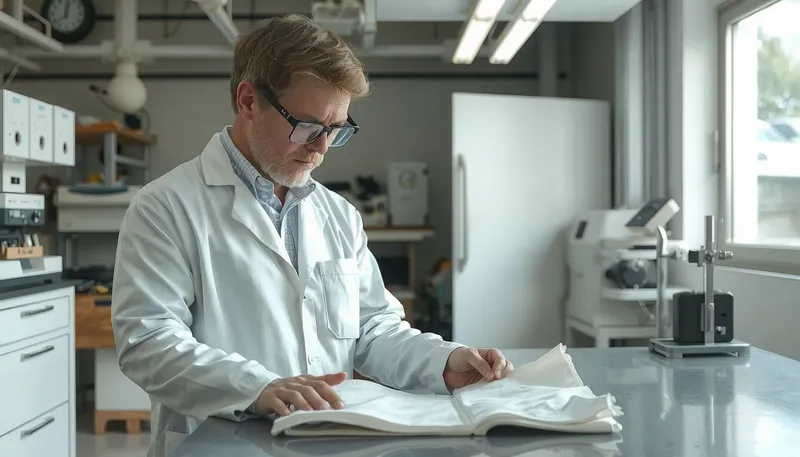
Even when you use the right printing method, the quality of the nylon fabric is extremely important. A poorly made fabric can curl, warp, or shift during printing. This will ruin your design.
It is crucial to choose a material that has been designed for the process. An example is a quality, base specialty, such as Nylon Interlock| D036. This fabric designation demonstrates that it has been created specifically for the high-definition acid printing process. The special structure "One-Open-One-Close" interlock allows for a stable, non-curling canvas and the overall prevention of distortions that may be present with other lightweight materials.
FAQ: The NyloPrinting Questions Answered
Here are quick answers to some common questions about printing on nylon.
So, can you ever sublimate on nylon?
No, not for any reliable or professional result. The chemistry does not work. Any print you achieve will be temporary and will fail after washing or use. For nylon, you must use a different printing method like acid printing.
What about nylon blends? Can I sublimate on a nylon/poly blend?
Sublimation dye only bonds to polyester. On a blend, the print will look faded or "heathered." The dye will not color the nylon fibers. This leads to a weak and inconsistent image.
Is acid printing more difficult or expensive than sublimation?
Acid printing is a different industrial process that requires the right equipment. While there is an investment, it's the correct process for nylon. Trying to use the wrong process (sublimation) results in 100% waste. This is always more expensive.
What does a failed sublimation print on nylon look like?
It looks faded, dull, and blurry right after printing. The colors are not deep or vibrant. After the first wash, the design will fade badly, crack, or wash away almost completely.
Where can I get acid printing done?
Look for print service providers who specialize in textile printing. They should list acid dye printing for nylon, spandex, swimwear, or activewear as one of their services.
Why does my sublimation look faded when printing on activewear?
If you are printing on Nylon/Spandex blends, traditional sublimation will sit on the surface and look faded. To fix why your sublimation print is faded, you must switch to Acid Digital Printing on a specialized base like our D083 Air-Sculpt.
Conclusion: Stop the Struggle, Start Printing Correctly
It is time to abandon the struggle of trying to continue the sublimation printing on nylo matter how hard you try to convince yourself. This is a wrong process that will ultimately defeat you. The materials wasted and the faded prints hardly seem justifiable.
It is time to welcome the correct, professional way. The choice to apply acid printing on high-quality nylon will pave your way to finally achieving those gorgeous, rigid, and premium results that you and your customers have always wanted.
Written by Forall Lab
© Forall Lab • Powered by Kunpeng ONE