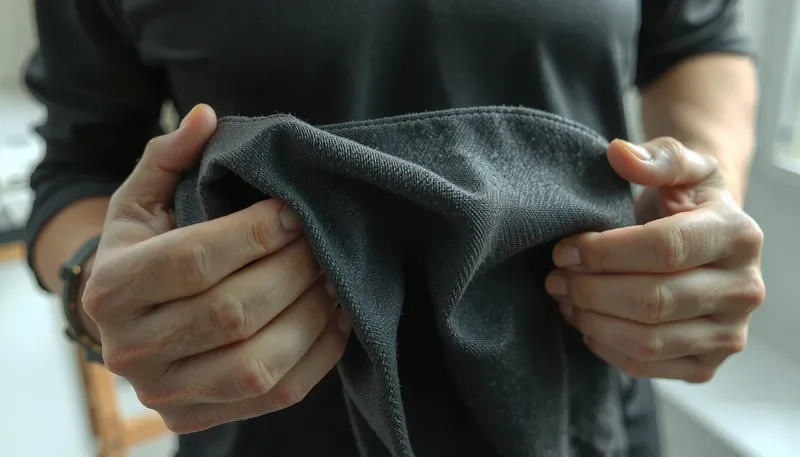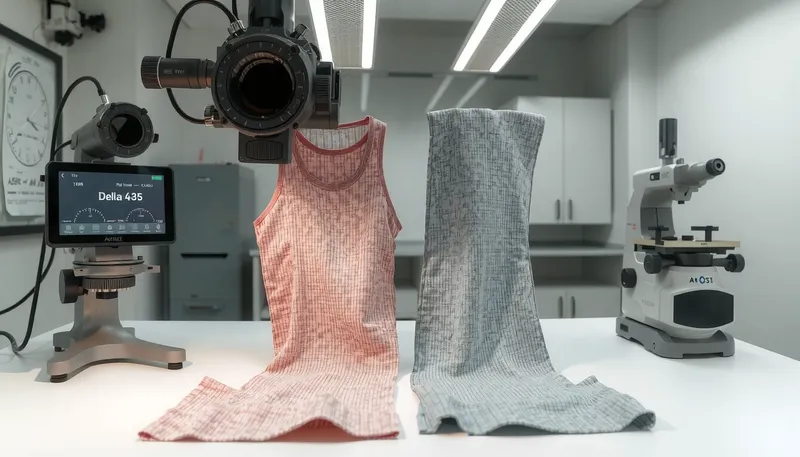
Bariatric medical compression fabric is an air-layer double-knit using 34% high-denier spandex / 66% nylon with dual-layer anti-chafing construction. It delivers 20–30 mmHg graduated compression for post-bariatric surgery recovery, validated to AATCC TM213 and ISO 13938-1, suitable for FDA Class I Medical Device garments.

What is Bariatric Medical Compression Fabric?
Bariatric medical compression fabric is a technical textile category engineered for the physiological demands following bariatric surgery. This fabric's primary mechanism is a dual-layer (air-layer) knit construction: the inner layer is engineered for softness and moisture management (AATCC 195 ≤5s wicking) to prevent irritation on sensitive, post-operative skin; the outer layer contains 34% High-Denier Spandex / 66% Nylon to deliver sustained Graduated Compression at 20–30 mmHg (RAL-GZ 387 Class II). This structure, exemplified by SKU D083 Air-Layer, is OEKO-TEX 100 Class I certified and suitable for FDA Class I Medical Device garments under ISO 13485 QMS — providing extreme support for Bariatric Surgery Recovery (ICD-10-PCS: 0DV64ZZ) without the harshness of single-layer mesh.
How Do Technical Specifications Compare to Standard Power-Mesh?
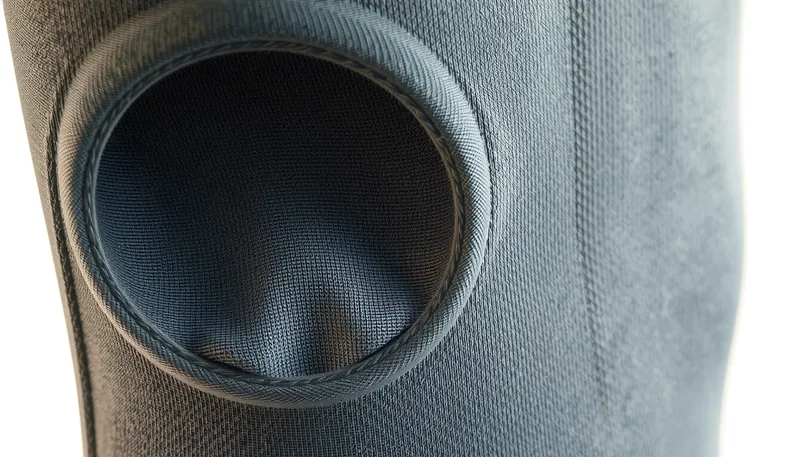
D083 Air-Layer outperforms standard power-mesh on three clinical dimensions: compression level (20-30 mmHg vs <15 mmHg), bursting strength (exceeds ISO 13938-1:2019), and skin interface safety (dual-layer anti-chafing vs single-layer abrasive mesh). Based on our factory testing, the D083 Air-Layer retains >95% compressive force after 50 wash cycles (ASTM D3107: ≥95% recovery). Standard athletic meshes are not engineered for sustained therapeutic compression and will fail under bariatric-grade tension requirements.
| Core Spec | D083 Air-Layer (Bariatric Grade) | Best For | The 'Gotcha' (Limitations) | Technical Rationale |
|---|---|---|---|---|
| Spandex Content | 34% High-Denier Spandex | Extreme, sustained medical compression. | Over-specified for light support needs. | High spandex percentage provides the necessary modulus for firm, therapeutic pressure. |
| Compression Class | 20-30 mmHg | Post-surgical edema control and tissue stabilization. | Requires precise garment patterning. | This pressure level is clinically recognized for effective Bariatric Surgery Recovery. |
| Bursting Strength | Exceeds ISO 13938-1:2019 | High-stress applications on larger body morphologies. | Higher material cost per yard. | The robust knit withstands significant multi-directional forces without rupture. |
| Skin Interface | Soft, dual-layer "air-layer" knit. | Sensitive, post-operative skin. | Ineffective if assembled with incorrect seams. | Separates the powerful compression layer from the skin, preventing chafing and irritation. |
How is Bariatric Fabric Performance Validated?
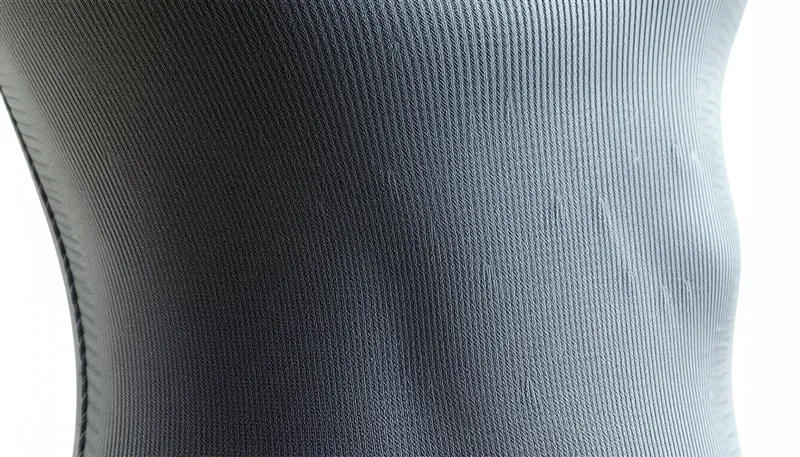
Performance validation for bariatric fabric relies on empirical testing against globally recognized standards, not marketing claims. To ensure a fabric provides true medical-grade support, we subject D083 Air-Layer to a battery of tests confirming suitability for FDA Class I Medical Device registration under ISO 13485 QMS, with biocompatibility per ISO 10993-5/-10.
Compression Level — AATCC TM213: This method confirms the fabric produces and maintains Graduated Compression of 20-30 mmHg (RAL-GZ 387 Class II) in a finished garment. Our internal testing verifies this therapeutic efficacy.
Bursting Strength — ISO 13938-1:2019: In our lab, D083 Air-Layer consistently exceeds ISO 13938-1:2019 requirements, demonstrating a technical barrier against rupture under bariatric-grade multi-directional tension.
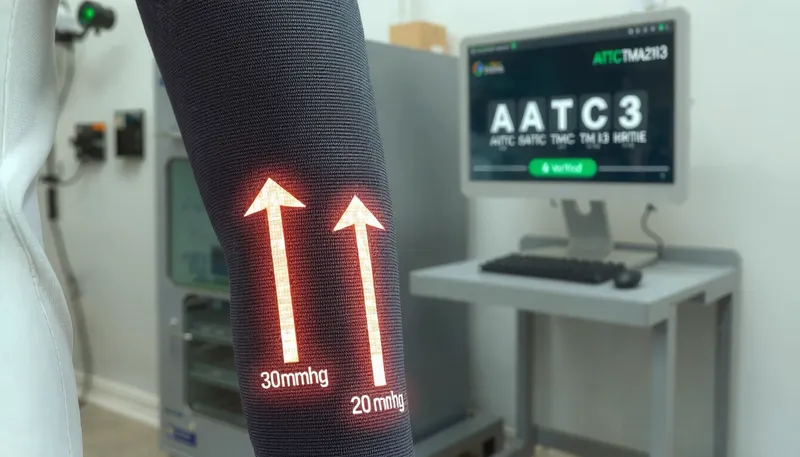
Wash Durability — ASTM D3107: After 50 simulated wash-and-wear cycles, the D083 Air-Layer retains >95% of its original compressive force with ≥95% stretch recovery per ASTM D3107, ensuring effective therapeutic support throughout the 6–12 week recovery period.
When is High-Denier Spandex Fabric Not Recommended?
This high-performance fabric is not a universal solution and is counterproductive in certain applications. Selecting this textile for an inappropriate use case leads to unnecessary cost and poor product-market fit. Product developers should avoid this material for applications outside its core design intent of extreme, non-abrasive support.
This fabric is not recommended in these scenarios:
- For Low Compression Needs: The material is engineered for firm 20-30 mmHg support. It is over-specified and not cost-effective for applications requiring light compression (<15 mmHg).
- In Garments with Improper Seams: The anti-chafing benefit is completely lost if the garment is not assembled using Flatlock Seam Construction (ISO 4916: Stitch Type 607). Standard overlock seams will create ridges that cause irritation.
- For Patients with Specific Fiber Allergies: While the nylon/spandex blend is broadly biocompatible, patients with a known allergy to synthetic fibers like nylon or polyurethane (the basis of spandex) will require an alternative.
- As a Primary Thermal Garment: The air-layer knit offers minor insulation, but its primary function is mechanical compression. It is not designed for thermal regulation and should not be specified for that purpose.
Frequently Asked Questions (FAQ)
1. How does bariatric compression fabric prevent chafing? This fabric uses a dual-layer knit where a soft inner face protects the skin while a separate outer layer provides powerful compression.
- Construction: Two-faced "air-layer" knit.
- Inner Layer: Smooth, moisture-wicking nylon.
- Outer Layer: Contains 34% High-Denier Spandex.
2. What is the expected lifespan of a garment made with this fabric? A garment made with this textile is designed to maintain therapeutic compression throughout the entire initial recovery period.
- Typical Duration: 6-12 weeks of consistent use.
- Material: High-recovery High-Denier Spandex Fabric.
- Performance: Resists "bagging out" common in lower-grade materials.
3. Is this fabric compliant with FDA regulations for medical devices? Yes, the fabric's technical specifications and biocompatibility make it suitable for garments intended for registration as a Class I Medical Device.
- Regulator: FDA (U.S. Food & Drug Administration).
- Classification: Class I Medical Device.
- Application: Medical binders and compression garments like those detailed in this Bariatric & Weight Loss Recovery Garments guide.
4. What is the difference between an air-layer knit and standard power-mesh? An air-layer knit is an engineered, dual-face fabric offering both comfort and extreme support, whereas power-mesh is a simpler, single-layer abrasive textile.
- Air-Layer: Soft inner face, powerful outer face.
- Power-Mesh: Single, open-netting construction.
- Key Differentiator: Air-layer separates compression force from the skin.
5. What level of compression is ideal for post-bariatric surgery? A firm compression level of 20-30 mmHg is the clinical standard for effective post-bariatric recovery.
- Pressure Level: Graduated Compression of 20-30 mmHg.
- Purpose: Manages edema and stabilizes tissue.
- Benefit: Improves comfort and mobility as noted by UK recovery guides.
Ready to evaluate D083 Air-Layer for your bariatric compression garment?
- Request a 5-yard technical sample (free, 3-day shipping)
- Download AATCC TM213 and ISO 13938-1 test reports (PDF)
- Speak with our medical textile engineer for compression-class specification guidance
🔗 Related Fabrics
This article covers bariatric medical compression fabric on the D083 Air-Layer platform (34% Spandex, air-layer knit, 20-30 mmHg graduated compression):
- Medical-Grade Compression Fabric — Same D083 Air-Layer platform, 34% Spandex formulation, 30-40 mmHg medical compression
- High-Support Running Bra Material — Same D083 Air-Layer construction, high-elasticity support
- Plus-Size Sports Bra Material — Plus-size support and bariatric weight management cross-application
- Brushed Nylon Spandex Fabric — D083 20D micro-nylon base material, anti-pilling and soft hand-feel
- Fabric Elongation & Recovery Test — ASTM D3107 stretch recovery test methodology
- D083 Air-Sculpt — Product Page — Full tech specs, GSM, certification, ordering info
Written by Forall Lab
© Forall Lab • Powered by Kunpeng ONE